Orthopaedics
Canine Hip Dysplasia: The Early Signs Most Owners Miss
Hip dysplasia is a developmental mismatch between the femoral head and the acetabulum that causes joint laxity long before arthritis becomes visible on a lameness gait.
By Dr Ingrid Sorensen, BVSc, DipACVB
18 August 2026
4 min read

Medically reviewed
Reviewed by Dr Noor Haddad, DVM, DACVD of the Dr Murphies Veterinary Review Board. Reviewed content is checked against current consensus guidance before publication.
Hip dysplasia is a developmental mismatch between the femoral head and the acetabulum that causes joint laxity long before arthritis becomes visible on a lameness gait. In large and giant breeds such as German Shepherds, Labradors and Rottweilers, the process often begins during the rapid growth phase between four and twelve months of age. Because puppies compensate remarkably well, many owners miss the window when intervention has the greatest effect.
How Joint Laxity Develops
The hip is a ball-and-socket joint that relies on a snug fit between femoral head and acetabulum, held together by the joint capsule, round ligament and surrounding musculature. When the socket forms too shallow or the head sits loosely within it, repeated micro-subluxation abrades cartilage and stimulates bone remodelling around the joint margins.
Over months this remodelling produces osteophytes, thickened joint capsule and eventual secondary osteoarthritis. Genetics account for the majority of risk, but rapid weight gain, high-calorie puppy diets and excessive jumping or stair use during growth accelerate the mechanical damage.
Subtle Early Warning Signs
- Bunny-hopping gait when running rather than a normal four-beat trot
- Reluctance to jump into the car or onto furniture
- Difficulty rising after rest, especially on cold mornings
- Muscle wastage over the hindquarters compared with the shoulders
- Sitting with one or both legs kicked out to the side
These signs fluctuate and can disappear for weeks, which is precisely why owners often dismiss early laxity as a one-off strain rather than a progressive joint problem.
Confirming the Diagnosis
A vet assesses hip laxity manually using the Ortolani test under sedation, feeling for the characteristic clunk as the femoral head subluxates and reduces. Radiographs taken under general anaesthetic in a standardised hip-extended view allow scoring against breed schemes such as PennHIP or the BVA/KC hip score used in the UK.
PennHIP's distraction index is more sensitive in young puppies because it measures passive laxity rather than waiting for arthritic change to appear on plain films, making it useful for breeding and early-intervention decisions.
Non-Surgical and Surgical Options
Treatment is chosen according to the dog's age, weight, activity level and degree of joint laxity, ranging from conservative management to reconstructive surgery.
- Weight control to keep body condition lean and reduce joint load
- Controlled exercise and hydrotherapy to build supporting muscle without impact
- Joint supplements containing omega-3 fatty acids and glucosamine
- Surgical options including triple pelvic osteotomy, femoral head ostectomy or total hip replacement
Living With a Dysplastic Hip
Dogs diagnosed young may benefit from juvenile pubic symphysiodesis or triple pelvic osteotomy, procedures aimed at improving joint congruency before arthritis sets in. Older dogs with established osteoarthritis are usually managed medically with anti-inflammatories, weight control and physiotherapy, reserving total hip replacement for cases where pain persists despite conservative care.
Long-term comfort depends heavily on maintaining a lean body condition score, since every extra kilogram magnifies force through an already compromised joint during normal walking and stair climbing.
When to seek help urgently
- Sudden inability to bear weight on either hind leg
- Visible shortening or rotation of one hind limb after a fall
- Crying out when the hip is touched or manipulated
- Complete refusal to stand accompanied by rapid breathing
Hip dysplasia is manageable when caught early, but the right plan depends on your dog's individual conformation, age and radiographic findings, so discuss screening and treatment timing with your own veterinarian.
Vet-recommended
Products our review board rates for this
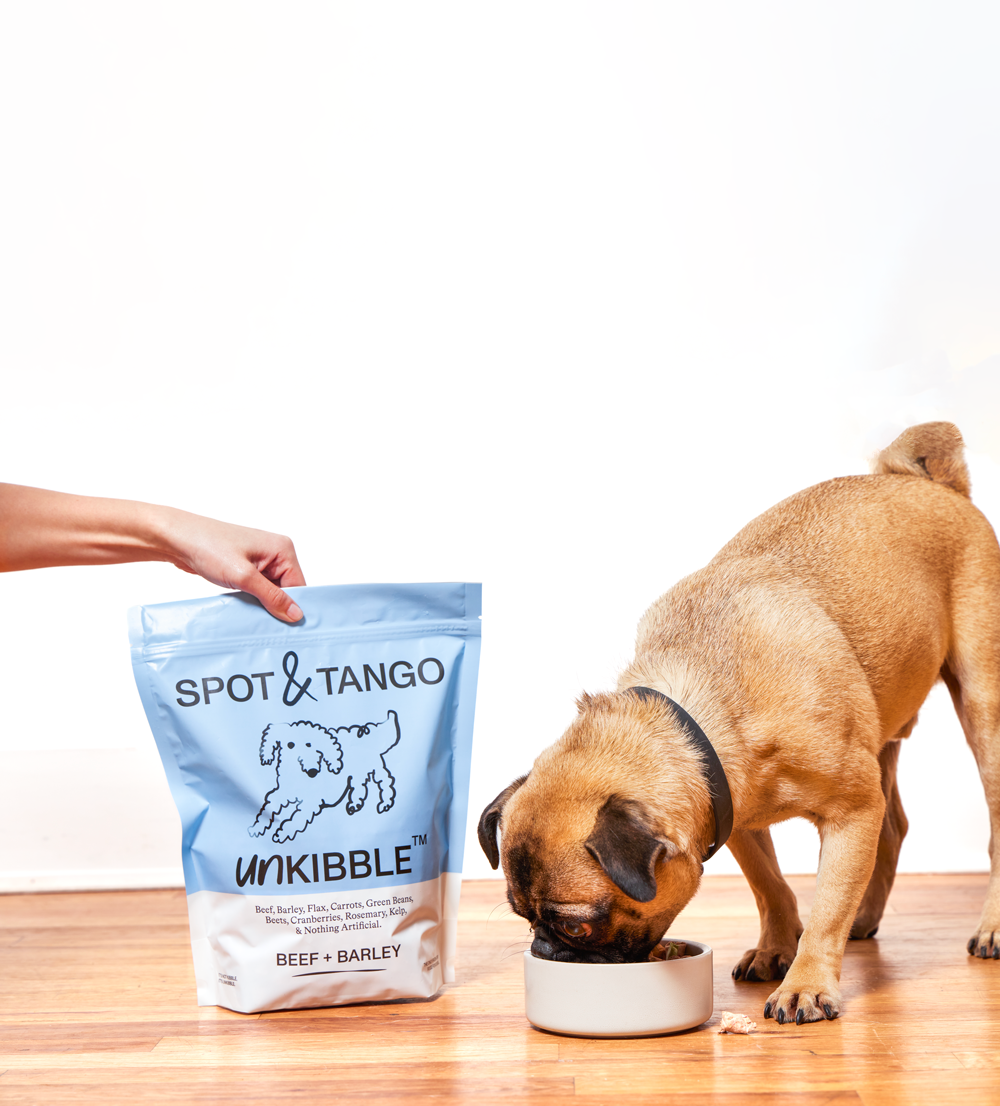
Spot & Tango
9.1Vet-formulated fresh trays and dehydrated UnKibble, portioned to the individual dog.

Lemonade Pet Insurance
9.4The lowest premiums in the category, with claims paid in minutes rather than weeks.
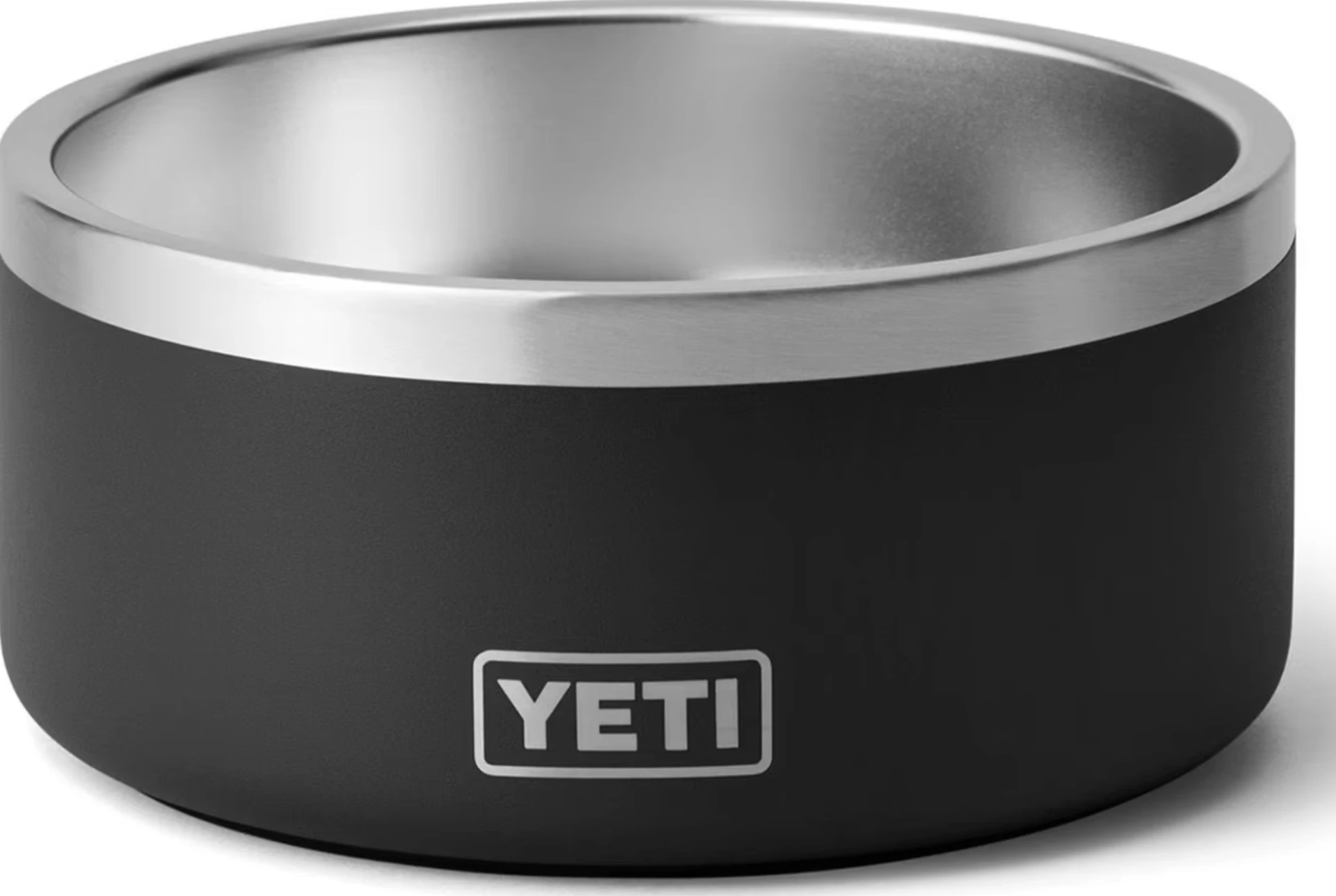
YETI Boomer 4 Dog Bowl
8.518/8 stainless, non-slip ring, dishwasher-safe — the last bowl you buy.
Recommendations are chosen by the Dr Murphies veterinary review board. Some links are affiliate links and we may earn a commission; this never affects our scoring, and brands do not see our copy before publication.
Dr Ingrid Sorensen, BVSc, DipACVB
Veterinary behaviourist