The 2026 List
The 15 Best Dog Breeds of 2026
Fifteen breeds worth living with this year, ranked for temperament, trainability and the health record behind the silhouette.
By Dr Elise Murphy, BVSc (Hons)
20 August 2026
14 min read

Medically reviewed
Reviewed by Dr Noor Haddad, DVM, DACVD of the Dr Murphies Veterinary Review Board. Reviewed content is checked against current consensus guidance before publication.
A best-breeds list is really a list of best matches. The dog that transforms one household will exhaust another, and the single most common reason dogs are surrendered is not aggression or illness but mismatch — energy, grooming or medical cost that nobody costed honestly at the outset.
So this year's list weights health as heavily as charm. Every breed below is one our review board would happily place with the right owner, and in each entry we have named the condition that most often shortens or complicates the breed's life, because the buying decision is where most of those outcomes are settled.
How we ranked them
Breeds were assessed on four axes: documented temperament stability, trainability and biddability, grooming and exercise load relative to an average household, and the burden of inherited disease as recorded in current breed health surveys and insurance claims data. Breeds whose conformation itself compromises welfare — extreme brachycephaly in particular — were excluded regardless of popularity. The order reflects breadth of suitability, not superiority.
Labrador Retriever
Still the most-registered dog in the English-speaking world, and for good reason: the Labrador is biddable, food-motivated and forgiving of first-time owners. That same appetite is its clinical weakness — a documented POMC gene variant in many Labradors blunts satiety, which is why body-condition scoring matters more in this breed than almost any other. Give them daily swimming or retrieving work, keep them lean through the growth phase, and screen the hips and elbows before breeding.
Breed Overview
- Group
- Sporting (Gundog)
- Height
- 55 to 62 cm
- Weight
- 25 to 36 kg
- Temperament
- Outgoing, even-tempered, eager to please
- Energy level
- High
- Coat
- Short, dense double coat; black, yellow or chocolate
- Life span
- 11 to 13 years
- Watch for
- Obesity, hip and elbow dysplasia, exercise-induced collapse
Standard Poodle
Bred to retrieve waterfowl in Germany, the Poodle's topiary clip was originally functional insulation over joints and chest. What owners buy today is the brain: Poodles need daily problem-solving as much as they need distance. The low-shedding coat suits allergy-sensitive households but demands professional grooming every six to eight weeks and daily line-brushing between visits, or it mats to the skin.
Breed Overview
- Group
- Non-sporting / Utility
- Height
- Over 38 cm (standard); 28 to 38 cm (miniature); under 28 cm (toy)
- Weight
- 18 to 32 kg (standard); 5 to 7 kg (miniature)
- Temperament
- Intelligent, affectionate, active
- Energy level
- High
- Coat
- Curly, dense; apricot, black, blue, brown, cream, grey, red, silver or white
- Life span
- 12 to 15 years
- Watch for
- Gastric dilatation-volvulus, Addison's disease, sebaceous adenitis
Border Collie
The most trainable dog on earth is also the one most often rehomed. Border Collies were selected for a modified predatory sequence — eye, stalk, chase — and a suburban household supplies no legitimate outlet for it. Owners who commit to scentwork, herding balls or competitive obedience get a near-telepathic partner. Owners who do not get a dog that herds children and chases cars.
Breed Overview
- Group
- Herding (Pastoral)
- Height
- 46 to 56 cm
- Weight
- 14 to 20 kg
- Temperament
- Intense, responsive, work-driven
- Energy level
- Very high
- Coat
- Rough or smooth double coat; black and white most common
- Life span
- 12 to 15 years
- Watch for
- Collie eye anomaly, MDR1 drug sensitivity, noise phobia
Cavalier King Charles Spaniel
No breed rewards careful buying more. Cavaliers are companion dogs in the truest sense — content in an apartment, gentle with children, genuinely happy to be handled. But mitral valve disease affects the majority by ten years of age, and syringomyelia is widespread. Buy only from breeders using MVD heart-testing schemes and MRI screening, and budget for annual cardiac auscultation from age three.
Breed Overview
- Group
- Toy
- Height
- 30 to 33 cm
- Weight
- 5.5 to 8 kg
- Temperament
- Affectionate, adaptable, sociable
- Energy level
- Moderate
- Coat
- Silky, medium length; Blenheim, tricolour, black and tan, ruby
- Life span
- 9 to 14 years
- Watch for
- Mitral valve disease, syringomyelia, patellar luxation
German Shepherd Dog
A working breed that still works — police, detection, assistance — and one that suffers when treated as ornament. The Shepherd wants a job and a person, in that order. Conformation has diverged sharply between show and working lines; the straighter-backed working type generally moves better and lives longer. Early neurological screening and hip and elbow scoring are non-negotiable.
Breed Overview
- Group
- Herding (Pastoral)
- Height
- 55 to 65 cm
- Weight
- 22 to 40 kg
- Temperament
- Confident, loyal, watchful
- Energy level
- High
- Coat
- Double coat, short or long; black and tan, sable, bicolour
- Life span
- 9 to 13 years
- Watch for
- Hip and elbow dysplasia, degenerative myelopathy, bloat, EPI
Whippet
The most apartment-suitable athlete in dogs. A Whippet will sprint at 55 km/h for ninety seconds and then sleep for the rest of the day on the warmest available surface. Thin skin tears easily, body fat is minimal, and they lose heat fast — coats in winter are medicine, not fashion. Anaesthetic protocols must be adjusted for sighthound physiology, so tell any new vet the breed before sedation.
Breed Overview
- Group
- Hound
- Height
- 44 to 51 cm
- Weight
- 9 to 19 kg
- Temperament
- Quiet indoors, explosive outdoors, sensitive
- Energy level
- Moderate with sprint bursts
- Coat
- Fine and short; any colour
- Life span
- 12 to 15 years
- Watch for
- Anaesthetic sensitivity, skin lacerations, cold intolerance
Australian Shepherd
Despite the name, the Aussie was refined on Californian ranches. It is the herding breed most likely to succeed with an active family, because sociability was selected alongside drive. Merle-to-merle breeding is the red flag to avoid: double-merle puppies carry high rates of deafness and ocular defects. Ask for MDR1 genotype and hearing results.
Breed Overview
- Group
- Herding (Pastoral)
- Height
- 46 to 58 cm
- Weight
- 16 to 32 kg
- Temperament
- Bright, biddable, busy
- Energy level
- Very high
- Coat
- Medium double coat; blue merle, red merle, black, red
- Life span
- 12 to 15 years
- Watch for
- MDR1 sensitivity, hip dysplasia, epilepsy, double-merle defects
Greyhound
Retired racing Greyhounds have become the quiet success story of adoption. They are house-trained by routine, indifferent to strangers and famously idle — forty-five minutes of walking is usually plenty. Dental disease is near-universal on intake, so a scale and polish belongs in the first-year budget, and lifelong at-home brushing after that.
Breed Overview
- Group
- Hound
- Height
- 68 to 76 cm
- Weight
- 27 to 40 kg
- Temperament
- Gentle, reserved, low-maintenance
- Energy level
- Low to moderate
- Coat
- Short and smooth; many colours
- Life span
- 10 to 14 years
- Watch for
- Periodontal disease, anaesthetic sensitivity, osteosarcoma
Miniature Schnauzer
A terrier temperament in a manageable frame: alert, vocal, endlessly curious. The wiry coat sheds little but needs hand-stripping or clipping every couple of months. Clinically, this is the breed where dietary fat matters — Miniature Schnauzers are predisposed to hyperlipidaemia and pancreatitis, so table scraps carry real risk rather than theoretical risk.
Breed Overview
- Group
- Terrier / Utility
- Height
- 30 to 36 cm
- Weight
- 5 to 9 kg
- Temperament
- Spirited, alert, devoted
- Energy level
- Moderate to high
- Coat
- Wiry double coat; salt and pepper, black, black and silver
- Life span
- 12 to 15 years
- Watch for
- Pancreatitis, hyperlipidaemia, urolithiasis, cataracts
Bernese Mountain Dog
Few breeds are as affectionate with children, and few ask owners to accept a shorter contract. Berners are slow-maturing draught dogs that thrive in cool climates and struggle in heat. Histiocytic sarcoma occurs at rates far above the canine average, so choose breeders who track longevity in their lines, and keep growing puppies lean on large-breed growth formulas.
Breed Overview
- Group
- Working
- Height
- 58 to 70 cm
- Weight
- 36 to 52 kg
- Temperament
- Placid, affectionate, steady
- Energy level
- Moderate
- Coat
- Long tricolour double coat
- Life span
- 7 to 10 years
- Watch for
- Histiocytic sarcoma, hip and elbow dysplasia, heat intolerance
Cocker Spaniel
A soft, sociable gundog that suits families willing to do ears. Pendulous ear leathers plus a hairy canal make otitis externa the defining problem of the breed; weekly checks and drying after swimming prevent most of it. Working-line Cockers carry substantially more drive than show lines — clarify which you are buying before you commit.
Breed Overview
- Group
- Sporting (Gundog)
- Height
- 36 to 43 cm
- Weight
- 12 to 16 kg
- Temperament
- Merry, affectionate, sensitive
- Energy level
- Moderate to high
- Coat
- Silky, feathered; solid or parti-colour
- Life span
- 12 to 15 years
- Watch for
- Otitis externa, progressive retinal atrophy, immune-mediated anaemia
Portuguese Water Dog
Built to herd fish into nets and carry messages between boats, the PWD is an athletic, low-shedding alternative to the Poodle with a slightly earthier disposition. Water work is not optional enrichment; it is what settles them. Genetic testing for GM1 storage disease and juvenile dilated cardiomyopathy is well established and should be documented.
Breed Overview
- Group
- Working
- Height
- 43 to 58 cm
- Weight
- 16 to 27 kg
- Temperament
- Robust, humorous, tireless
- Energy level
- High
- Coat
- Curly or wavy single coat; black, brown, white markings
- Life span
- 11 to 13 years
- Watch for
- Juvenile DCM, GM1 storage disease, PRA, hip dysplasia
Dachshund
Charismatic, stubborn and structurally fragile. Chondrodystrophy gives the Dachshund its silhouette and its single greatest risk: intervertebral disc disease affects roughly one in four during life. Ramps instead of stairs, no jumping off furniture, a harness rather than a collar and strict weight control are the difference between a long comfortable life and spinal surgery.
Breed Overview
- Group
- Hound
- Height
- 20 to 27 cm (standard); 13 to 18 cm (miniature)
- Weight
- 7 to 15 kg (standard); up to 5 kg (miniature)
- Temperament
- Bold, comical, tenacious
- Energy level
- Moderate
- Coat
- Smooth, long or wire-haired; many colours
- Life span
- 12 to 16 years
- Watch for
- Intervertebral disc disease, obesity, dental crowding
Shiba Inu
A primitive Japanese breed with cat-like fastidiousness and a famously independent recall. Shibas are clean, quiet in the house and superb apartment dogs for experienced owners who accept that off-lead freedom will rarely be safe. Early, generous socialisation matters more than obedience drilling; force-based handling backfires badly in this breed.
Breed Overview
- Group
- Non-sporting / Utility
- Height
- 34 to 42 cm
- Weight
- 7 to 11 kg
- Temperament
- Independent, alert, dignified
- Energy level
- Moderate
- Coat
- Stiff double coat; red, sesame, black and tan, cream
- Life span
- 13 to 16 years
- Watch for
- Patellar luxation, glaucoma, allergic dermatitis
Mixed-Breed Rescue
The most under-rated entry on any breed list. Adult rescues arrive with a known temperament — what you meet is broadly what you get, unlike a puppy's lottery — and mixed ancestry tends to dilute the fixed genetic disease risks that concentrate in closed pedigrees. Ask the shelter for behaviour-assessment notes, allow a three-week decompression period, and book a full veterinary work-up in the first fortnight.
Breed Overview
- Group
- Varies
- Height
- Varies
- Weight
- Varies
- Temperament
- Known and observable in adults
- Energy level
- Varies — match to your household
- Coat
- Varies
- Life span
- Typically 12 to 16 years
- Watch for
- Unknown history; prioritise dental, parasite and behavioural assessment
The last word
Whatever lands on your shortlist, do the unglamorous work: meet the parents, read the health certificates rather than the marketing, and speak to a breed-specific rescue before you speak to a breeder. Any breed on this list will thrive with an owner who planned for the dog they were actually getting.
Vet-recommended
Products our review board rates for this
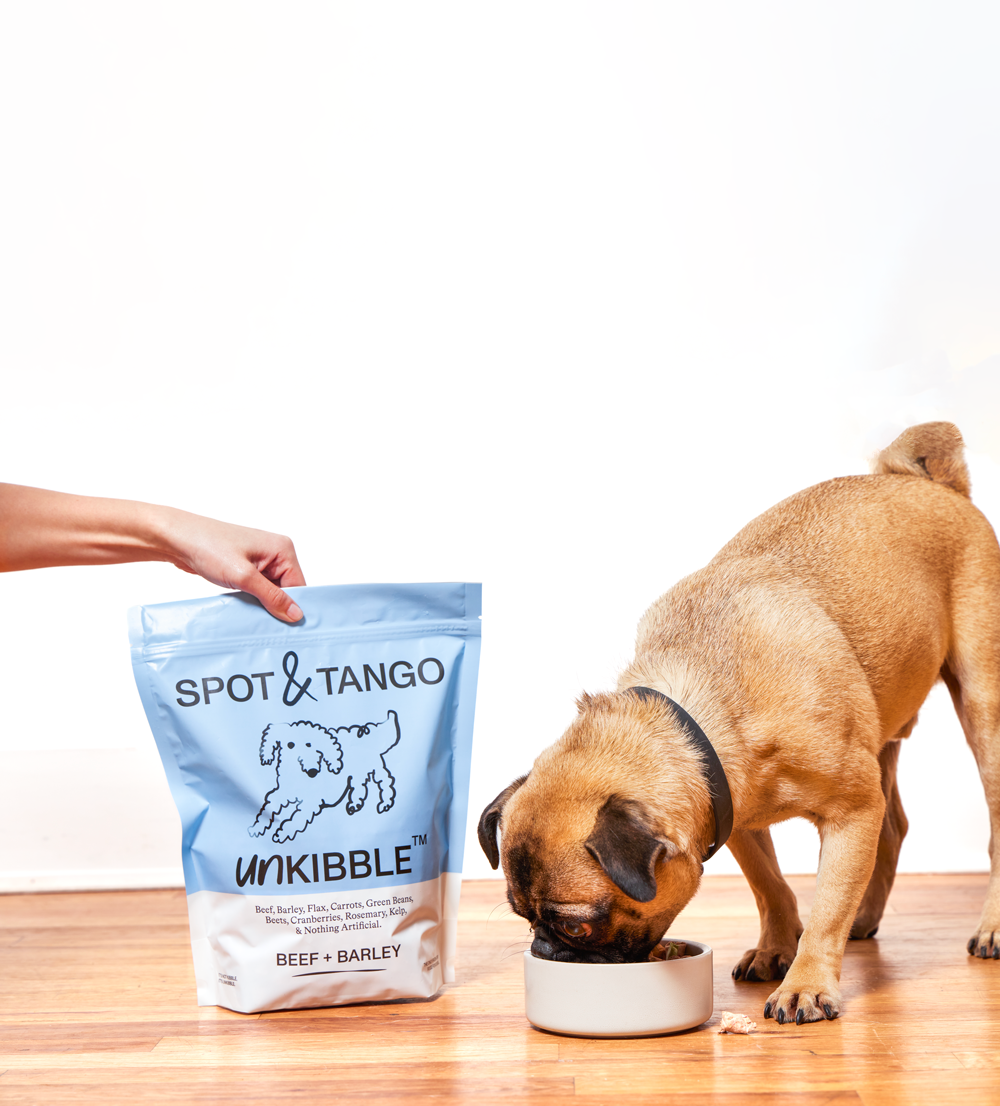
Spot & Tango
9.1Vet-formulated fresh trays and dehydrated UnKibble, portioned to the individual dog.

Lemonade Pet Insurance
9.4The lowest premiums in the category, with claims paid in minutes rather than weeks.
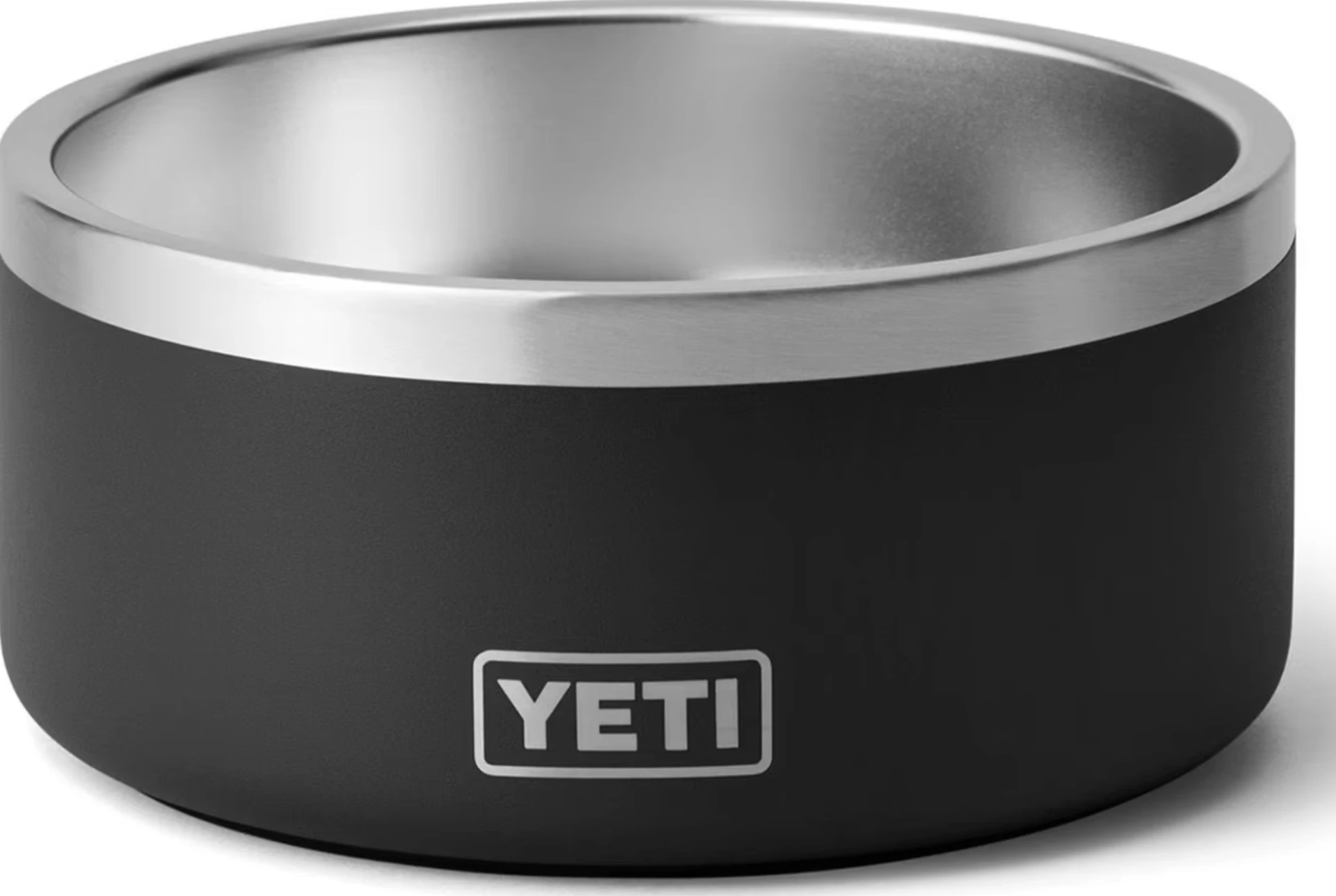
YETI Boomer 4 Dog Bowl
8.518/8 stainless, non-slip ring, dishwasher-safe — the last bowl you buy.
Recommendations are chosen by the Dr Murphies veterinary review board. Some links are affiliate links and we may earn a commission; this never affects our scoring, and brands do not see our copy before publication.
Dr Elise Murphy, BVSc (Hons)
Editor-in-chief