Surgery
Anaesthesia in Geriatric Patients: Managing the Risk
Age itself is not a disease and is no longer considered a contraindication to anaesthesia, but ageing organs do change how drugs are metabolised and how the body compensates for blood pressure swings.
By Dr Rowan Kelly, BVSc, MVS
14 April 2026
4 min read

Medically reviewed
Reviewed by Dr Mariana Oliveira, DVM, DACVN of the Dr Murphies Veterinary Review Board. Reviewed content is checked against current consensus guidance before publication.
Age itself is not a disease and is no longer considered a contraindication to anaesthesia, but ageing organs do change how drugs are metabolised and how the body compensates for blood pressure swings. Modern protocols reduce risk not by avoiding anaesthesia in older pets but by tailoring drug choice, monitoring and recovery support to the individual's organ reserve.
Why Ageing Changes Anaesthetic Risk
Reduced hepatic and renal blood flow in older patients slows drug clearance, so agents metabolised primarily by the liver, such as some barbiturates, can have prolonged effects. Cardiac output typically declines with age, meaning induction agents reach the brain more slowly but also that the heart compensates less well for the vasodilation many anaesthetics cause.
Thermoregulation is less efficient in geriatric patients because of reduced muscle mass and slower metabolic rate, so hypothermia develops faster under anaesthesia and delays recovery further by slowing drug metabolism. This creates a feedback loop that active warming during and after the procedure is specifically designed to interrupt.
Pre-Anaesthetic Screening Essentials
- Pre-existing exercise intolerance suggesting reduced cardiac or respiratory reserve
- Known chronic kidney disease altering fluid and drug dosing decisions
- Unexplained weight loss that may indicate occult illness affecting anaesthetic tolerance
- Heart murmurs detected only on careful auscultation before sedation
- Slow capillary refill or pale gums noted during the pre-anaesthetic exam
None of these findings automatically rules out anaesthesia, but each changes the drug protocol, monitoring intensity and fluid rate the anaesthetist selects. A murmur discovered incidentally the week before a dental procedure, for instance, may prompt an echocardiogram first rather than cancellation of the surgery.
Choosing Protocols for Reduced Organ Reserve
Pre-anaesthetic workup in a geriatric patient typically includes a full blood count, biochemistry panel covering liver and kidney values, and blood pressure measurement, supplemented by thoracic radiographs or echocardiography if a murmur or cough is present. Urinalysis helps detect early kidney disease that bloodwork alone can miss.
For patients on long-term medication such as ACE inhibitors or thyroid treatment, the anaesthetist reviews timing of the last dose, since some drugs interact with anaesthetic agents or affect blood pressure control during the procedure itself.
Monitoring Through Induction and Recovery
Rather than a single 'geriatric protocol', anaesthetists select and combine agents based on the specific organ systems shown to be compromised on pre-anaesthetic screening.
- Lower induction doses titrated slowly to effect rather than a fixed weight-based bolus
- Balanced anaesthesia combining lower-dose gas agents with local nerve blocks
- Active warming with forced-air blankets from premedication through to full recovery
- Continuous blood pressure and ECG monitoring with intravenous fluids adjusted for kidney function
Warning Signs After a Geriatric Procedure
Recovery in older pets is often slower and can include a period of disorientation or vocalisation as sedative drugs clear; a quiet, warm space away from stairs or other pets for the first twelve hours reduces injury risk. Food and water are usually reintroduced gradually once the pet is fully alert and swallowing normally.
Owners of geriatric patients scheduled for elective procedures such as dental extractions should ask specifically about pain relief planned for the 48 hours after discharge, since undertreated pain in older animals can delay the return of normal appetite and mobility.
When to seek help urgently
- Persistent vomiting or refusal to drink more than 24 hours after discharge
- Laboured breathing, blue-tinged gums or a racing heart rate at home
- Failure to stand or extreme lethargy beyond the expected recovery window
- Swelling, discharge or heat at a surgical or catheter site
Anaesthetic risk in an older pet is manageable with the right screening and monitoring, but the decision to proceed and the exact protocol used should always be made in discussion with the veterinary team performing the procedure.
Vet-recommended
Products our review board rates for this
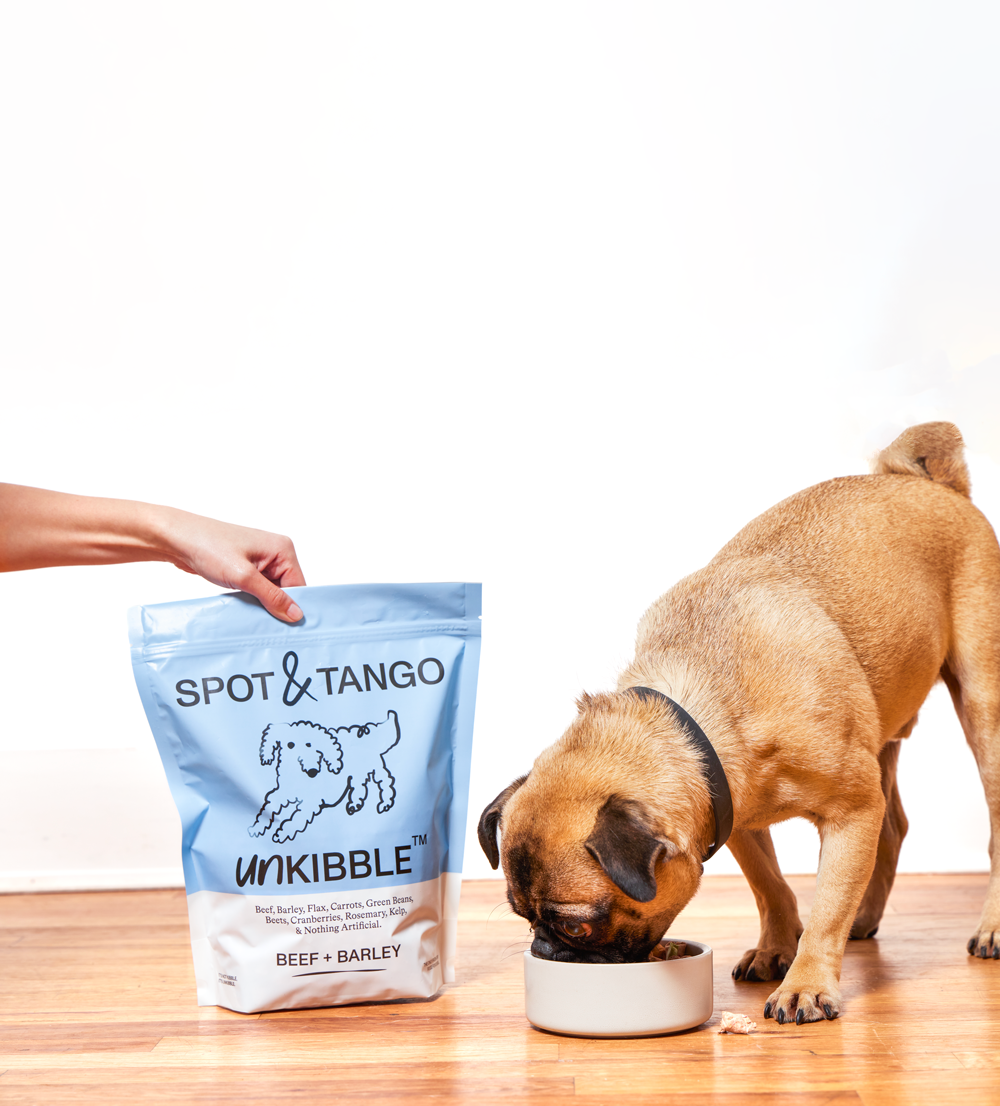
Spot & Tango
9.1Vet-formulated fresh trays and dehydrated UnKibble, portioned to the individual dog.

Lemonade Pet Insurance
9.4The lowest premiums in the category, with claims paid in minutes rather than weeks.

Dial A Vet
9.0A global team of 250+ vets and vet techs on Zoom in under fifteen minutes, flat fee.
Recommendations are chosen by the Dr Murphies veterinary review board. Some links are affiliate links and we may earn a commission; this never affects our scoring, and brands do not see our copy before publication.
Dr Rowan Kelly, BVSc, MVS
Surgery and rehabilitation