Mobility
Osteoarthritis Management Across Four Modalities
Osteoarthritis affects most dogs over ten and a large proportion of cats past twelve, yet it is routinely underdiagnosed because cats mask lameness and owners attribute stiffness to normal ageing.
By Dr Samuel Adeyemi, DVM, DACVIM
11 December 2025
4 min read

Medically reviewed
Reviewed by Dr Mariana Oliveira, DVM, DACVN of the Dr Murphies Veterinary Review Board. Reviewed content is checked against current consensus guidance before publication.
Osteoarthritis affects most dogs over ten and a large proportion of cats past twelve, yet it is routinely underdiagnosed because cats mask lameness and owners attribute stiffness to normal ageing. Effective control rarely comes from a single drug; it comes from combining modalities that act on different parts of the pain and inflammation cycle. This piece sets out the four pillars vets now use together rather than in sequence.
The Four Pillars of Modern OA Care
Osteoarthritis begins with cartilage breakdown that exposes subchondral bone and triggers synovial inflammation. Inflammatory mediators such as prostaglandin E2 and interleukin-1 sensitise local nerve endings, and over months this peripheral sensitisation can progress to central sensitisation in the spinal cord, meaning pain persists even when joint damage plateaus.
Because central sensitisation changes how the nervous system processes pain signals, drugs targeting inflammation alone often stop working as the disease matures. This is the pharmacological rationale for combining an NSAID with an anti-nerve growth factor monoclonal antibody, adjunct analgesics, weight control and physical rehabilitation rather than relying on any single agent.
How Joint Pain Becomes Chronic
- Slower to rise from lying down, especially after resting on hard floors
- Reluctance to jump into the car or onto furniture previously used freely
- Cats avoiding the litter tray edge or grooming less over the hips and lower back
- Muscle wasting over the hindquarters despite unchanged appetite
- Irritability when a specific limb or the spine is touched or lifted
Cats rarely limp even with significant joint disease, so changes in jumping height, grooming and litter tray use are often more reliable indicators than gait. Owners who video their pet's morning movements over a week give the vet far more diagnostic information than a single in-clinic observation, where adrenaline frequently masks stiffness.
Recognising Pain in Dogs and Cats
A structured orthopaedic examination assessing range of motion, crepitus and muscle symmetry usually precedes imaging. Radiographs confirm osteophyte formation and joint space narrowing, though the degree of radiographic change correlates poorly with pain severity, which is why functional scoring tools such as the Canine Brief Pain Inventory are used alongside them.
In cats, radiographs under light sedation are often needed because restraint alone provokes guarding that obscures range-of-motion findings. Blood and urine screening before starting any NSAID is essential in geriatric patients to rule out renal or hepatic disease that would change the drug choice.
Building a Diagnostic Picture
No single therapy controls osteoarthritis in an aged joint; the current standard is to layer treatments that target inflammation, nerve pain and mechanical load simultaneously.
- NSAIDs such as meloxicam or carprofen for baseline inflammatory pain control
- Monoclonal antibody injections (bedinvetmab or frunevetmab) targeting nerve growth factor
- Weight reduction of even 6-8% of body mass to cut joint loading substantially
- Structured rehabilitation including underwater treadmill sessions to rebuild supporting muscle
Layering Treatments for Lasting Control
Home modifications matter as much as medication: ramps replacing stairs, non-slip runners on tiled floors, and raised food bowls reduce the number of painful movements a pet performs daily. Orthopaedic bedding with supportive foam, rather than standard cushions, reduces pressure on already inflamed joints overnight.
Owners should track mobility with a simple weekly diary rather than relying on memory, since osteoarthritis progresses slowly enough that gradual decline is easy to miss. Reassessment every three to four months allows the vet to adjust the combination of therapies as the disease evolves.
When to seek help urgently
- Sudden inability to bear weight on a limb that was previously mobile
- Collapse or dragging of a hind limb suggesting a neurological rather than joint cause
- Vomiting, black stool or reduced appetite while on NSAID therapy
- Rapid, unexplained muscle loss over one hindquarter within a few weeks
Multimodal osteoarthritis management is a long-term collaboration rather than a fixed prescription, and your own vet is best placed to sequence these options against your pet's kidney function, weight and daily routine.
Vet-recommended
Products our review board rates for this
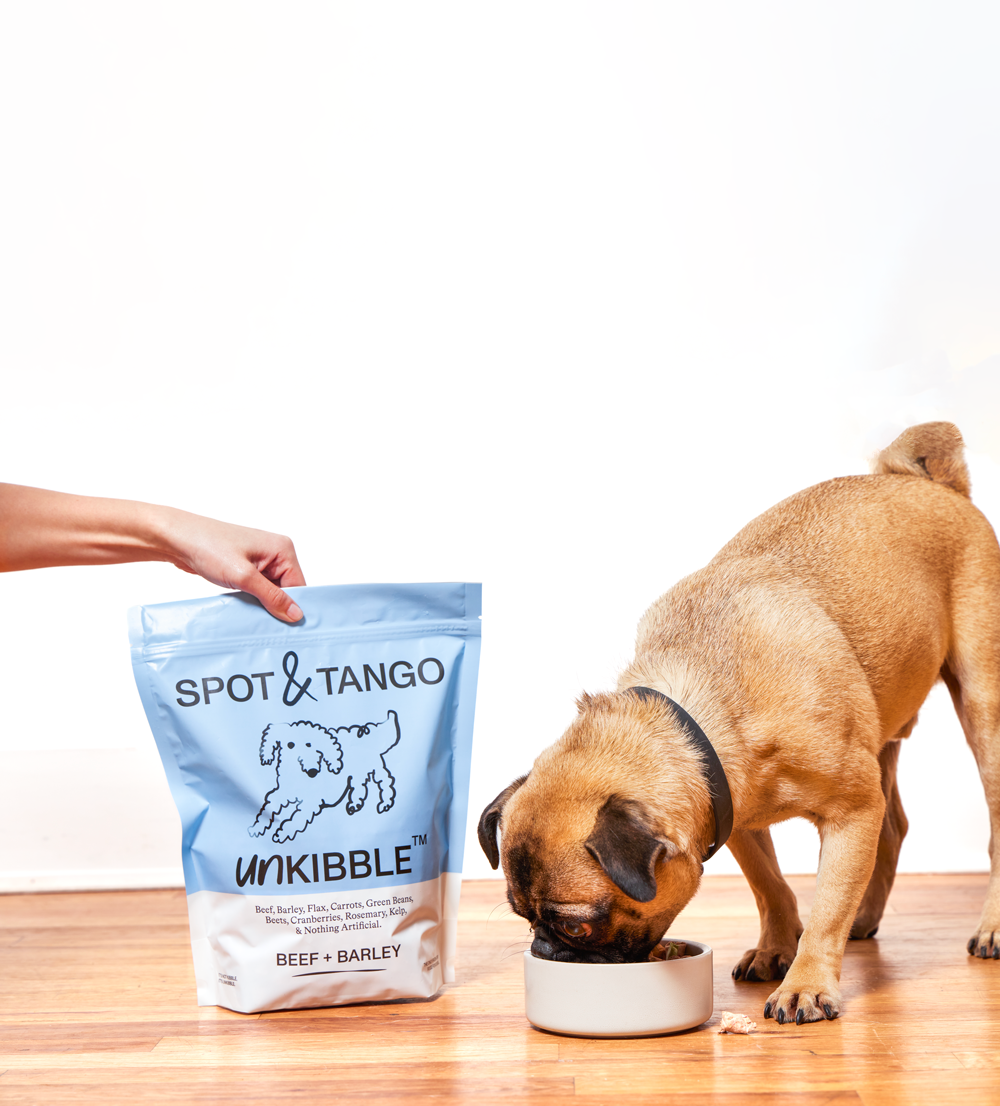
Spot & Tango
9.1Vet-formulated fresh trays and dehydrated UnKibble, portioned to the individual dog.

Lemonade Pet Insurance
9.4The lowest premiums in the category, with claims paid in minutes rather than weeks.
Dial A Vet
9.0A global team of 250+ vets and vet techs on Zoom in under fifteen minutes, flat fee.
Recommendations are chosen by the Dr Murphies veterinary review board. Some links are affiliate links and we may earn a commission; this never affects our scoring, and brands do not see our copy before publication.
Dr Samuel Adeyemi, DVM, DACVIM
Internal medicine specialist