End of Life
Palliative Care and the Quality-of-Life Scale
When a disease can no longer be cured, palliative care shifts the goal from extending life at any cost to protecting comfort, dignity and function for as long as possible.
By Dr Mariana Oliveira, DVM, DACVN
7 December 2025
4 min read

Medically reviewed
Reviewed by Dr Mariana Oliveira, DVM, DACVN of the Dr Murphies Veterinary Review Board. Reviewed content is checked against current consensus guidance before publication.
When a disease can no longer be cured, palliative care shifts the goal from extending life at any cost to protecting comfort, dignity and function for as long as possible. Quality-of-life scales give owners and vets a shared, less emotionally clouded way to track whether that goal is still being met week to week.
What Palliative Care Actually Involves
Palliative care does not mean withdrawing treatment; it means treatment choices are weighed against comfort rather than cure. A cat with end-stage kidney disease, for example, may still receive subcutaneous fluids and anti-nausea medication because these directly relieve suffering, while more invasive diagnostics that would not change management are set aside.
Quality-of-life scales, such as the widely used HHHHHMM scale covering hurt, hunger, hydration, hygiene, happiness, mobility and more good days than bad, convert subjective daily observations into scores that can be tracked over successive weeks. Trends across the scale matter more than any single day's score, since pain and appetite naturally fluctuate.
How Quality-of-Life Scales Work
- More bad days than good days across a rolling two-week period
- Persistent pain not controlled by current medication despite dose adjustment
- Loss of interest in previously favourite activities such as greeting family members
- Difficulty maintaining hygiene, including soiling or matted fur the pet cannot self-groom
- Appetite reduced to less than half of normal intake for more than three days
Scoring the same pet at the same time each day, ideally by the same family member, reduces the influence of mood and memory bias on the result. A written or app-based log also gives the vet objective data to review at check-ins rather than relying on recollection of 'good days' and 'bad days'.
Common Domains Assessed
There is no laboratory test for quality of life; assessment relies on structured questionnaires completed by the owner, combined with a physical exam focused on pain scoring, hydration status and body condition. Vets often ask owners to list three activities the pet used to enjoy and track whether these are still possible.
Repeat visits every two to four weeks allow the vet to see whether interventions such as appetite stimulants, pain medication adjustments or subcutaneous fluids are shifting the trend line upward or whether decline continues despite active management.
Adjusting Palliative Plans Over Time
Palliative plans are built around the specific domains scoring poorly on the quality-of-life scale, adjusted as the underlying disease progresses.
- Multimodal pain control combining an NSAID or gabapentin with opioid patches if needed
- Appetite stimulants such as mirtazapine or capromorelin for pets eating poorly
- Subcutaneous fluid therapy at home for dehydration linked to kidney or heart disease
- Assisted hygiene, including trimming soiled fur and using barrier cream on pressure points
Recognising When the Balance Has Shifted
Small environmental changes often do more for comfort than medication alone: moving bedding away from draughts, placing food and water on every level of the home, and using non-slip mats near sleeping areas reduce daily struggle. Short, low-effort interactions such as gentle brushing can maintain the human-animal bond even as physical activity declines.
Family members should agree in advance on who is responsible for daily scoring and medication administration, since inconsistency in a palliative plan is one of the most common reasons comfort measures fail during the final months of an illness.
When to seek help urgently
- Sudden collapse or inability to rise that was not present the day before
- Signs of unmanageable pain such as constant panting, trembling or vocalising
- Repeated vomiting preventing oral medication or fluid intake
- A quality-of-life score that has dropped sharply over 48 to 72 hours
A quality-of-life scale is a tool for conversation, not a verdict, and it works best when reviewed regularly with your own vet who can weigh the numbers against clinical findings specific to your pet's disease.
Vet-recommended
Products our review board rates for this
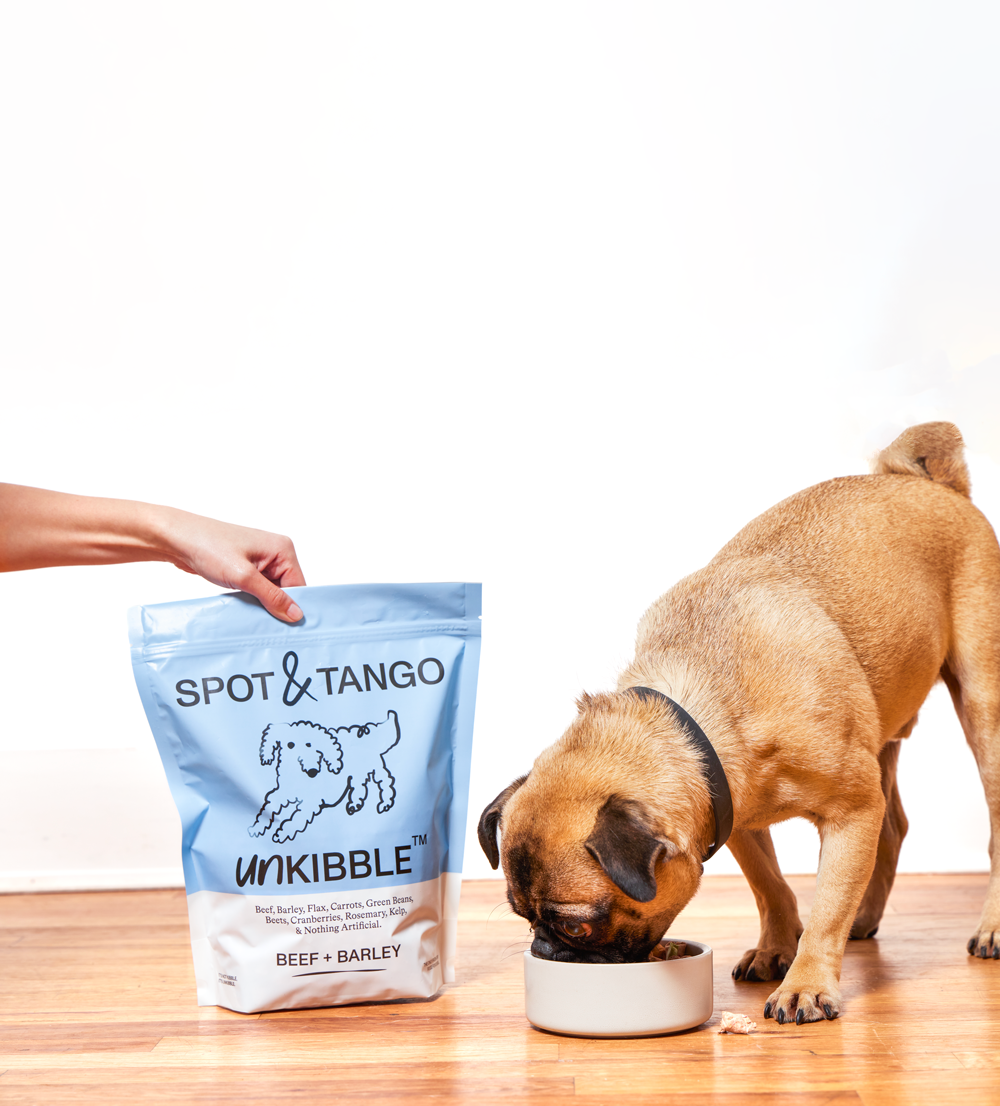
Spot & Tango
9.1Vet-formulated fresh trays and dehydrated UnKibble, portioned to the individual dog.

Lemonade Pet Insurance
9.4The lowest premiums in the category, with claims paid in minutes rather than weeks.
Dial A Vet
9.0A global team of 250+ vets and vet techs on Zoom in under fifteen minutes, flat fee.
Recommendations are chosen by the Dr Murphies veterinary review board. Some links are affiliate links and we may earn a commission; this never affects our scoring, and brands do not see our copy before publication.
Dr Mariana Oliveira, DVM, DACVN
Veterinary nutritionist