Gastroenterology
Anal Gland Problems: Why Your Dog Scoots
The two anal glands sit at roughly four and eight o'clock around a dog's anus, each producing a foul-smelling, oily secretion normally expressed automatically during defecation as a scent marker.
By Dr Thomas Nakamura, DVM
5 August 2026
4 min read
Medically reviewed
Reviewed by Dr Mariana Oliveira, DVM, DACVN of the Dr Murphies Veterinary Review Board. Reviewed content is checked against current consensus guidance before publication.
The two anal glands sit at roughly four and eight o'clock around a dog's anus, each producing a foul-smelling, oily secretion normally expressed automatically during defecation as a scent marker. When the ducts connecting these glands to the anal opening become narrowed by inflammation, obesity or simply thick secretions, the glands fail to empty properly, causing the characteristic scooting, licking and discomfort that brings many dogs to the vet.
Why the Glands Fail to Empty Naturally
Anal sac secretions are normally thin enough to be squeezed out through narrow ducts by the pressure of a firm, well-formed stool passing by. Soft stools, obesity, low-fibre diets and individual anatomical variation in duct width can all interfere with this natural expression, allowing secretions to thicken and accumulate within the sac, a condition known as impaction.
If impaction persists, the stagnant material becomes an ideal medium for bacterial overgrowth, and the resulting inflammation can progress to a painful abscess that, without treatment, ruptures through the skin beside the anus.
From Impaction to Abscess
- Scooting the bottom along the ground or carpet
- Excessive licking or biting at the base of the tail
- A strong, fishy odour noticeable even without direct contact
- Visible swelling or redness beside the anus
- Straining or discomfort during defecation
Occasional scooting after a bout of soft stool is usually not significant, but frequent or persistent scooting, particularly combined with licking or a swollen appearance, generally signals glands that need manual attention.
Recognising the Signs of a Problem
Diagnosis is made by digital rectal palpation, during which a vet assesses gland fullness, the character of the secretion, and any pain, swelling or heat suggestive of infection or abscess formation. Chronic or recurrent cases, especially in older dogs, warrant closer examination for anal sac adenocarcinoma, a less common but serious tumour that can mimic simple impaction, particularly if only one gland is repeatedly affected.
Cytology of expressed material can help distinguish simple impaction, where secretion appears normal but retained, from infected material containing high numbers of bacteria and inflammatory cells consistent with anal sacculitis.
How Vets Confirm and Grade the Issue
Treatment ranges from a simple manual expression to more involved medical or surgical management for recurrent or infected cases.
- Manual expression of impacted anal glands by a vet or trained groomer
- Warm compresses and antibiotics for infected or abscessed glands
- Increased dietary fibre to produce firmer, more effective stools
- Anal sacculectomy surgery for dogs with frequent, unresponsive recurrence
Preventing Recurrent Impactions
Dogs prone to recurrent impaction often benefit from a permanent increase in dietary fibre, whether through a specific weight-management or high-fibre diet or a psyllium supplement, since firmer stools apply more natural pressure during defecation. Weight loss in overweight dogs can also reduce recurrence, since excess fat around the anal area is thought to narrow the duct openings further.
For the small proportion of dogs with genuinely frequent, painful impactions despite dietary changes, surgical removal of the anal sacs offers a permanent solution, though it carries a small risk of faecal incontinence if the delicate surrounding nerves are damaged.
When to seek help urgently
- Marked swelling with a draining wound beside the anus
- Fever or lethargy alongside anal gland discomfort
- Severe pain when the tail base or anus is touched
- A firm, non-reducing mass near the anus in an older dog
Most anal gland problems are straightforward to manage once identified, but persistent or recurrent cases deserve a proper veterinary examination to rule out infection, abscess or, rarely, a tumour.
Vet-recommended
Products our review board rates for this
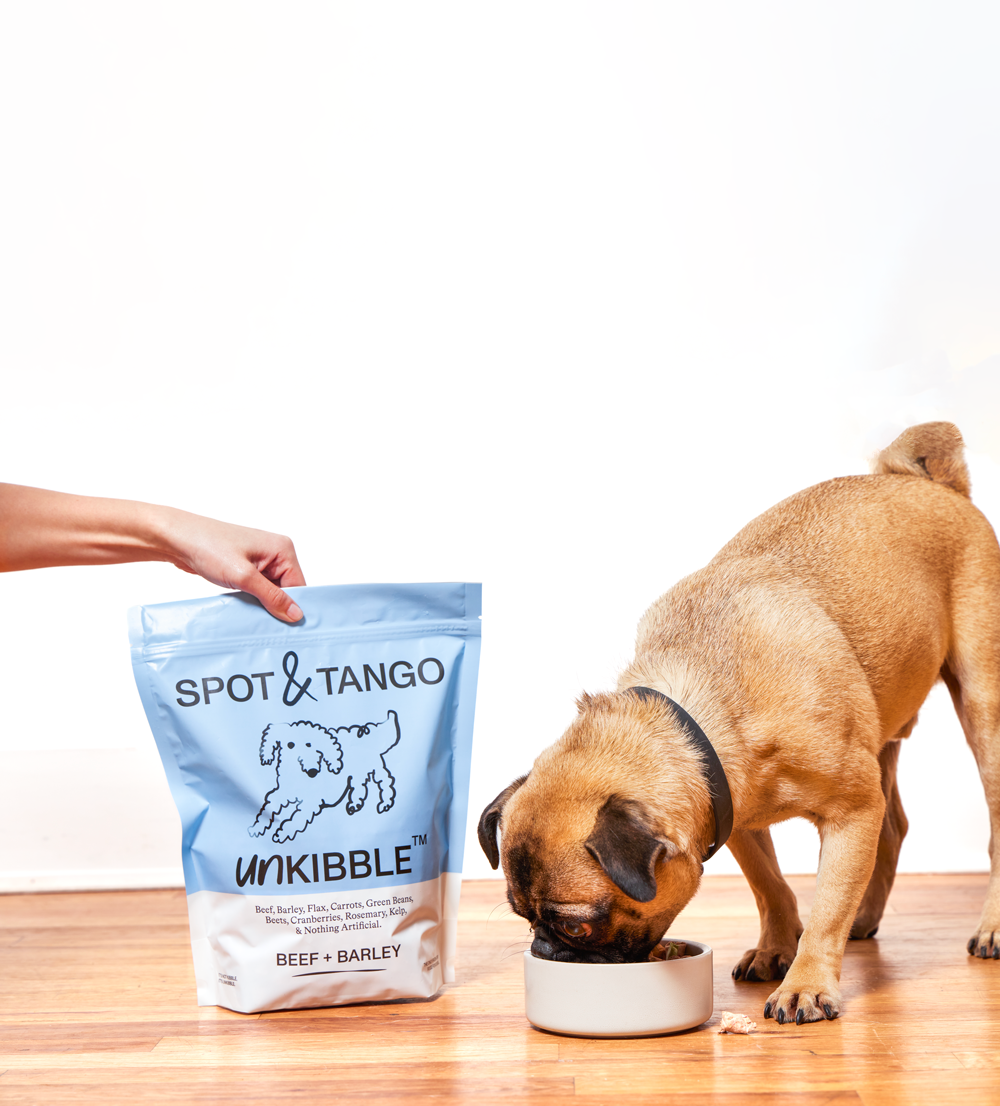
Spot & Tango
9.1Vet-formulated fresh trays and dehydrated UnKibble, portioned to the individual dog.

Lemonade Pet Insurance
9.4The lowest premiums in the category, with claims paid in minutes rather than weeks.
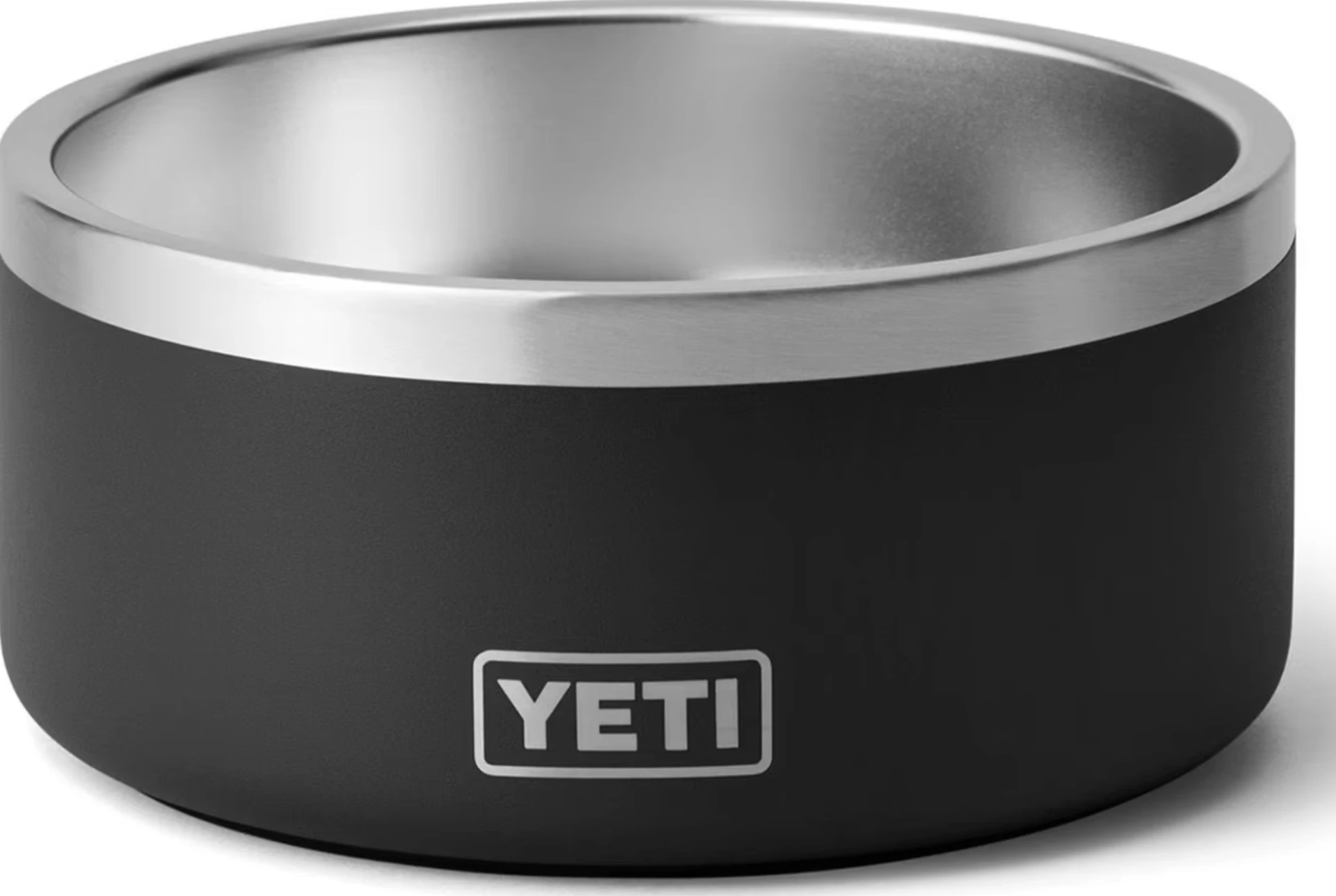
YETI Boomer 4 Dog Bowl
8.518/8 stainless, non-slip ring, dishwasher-safe — the last bowl you buy.
Recommendations are chosen by the Dr Murphies veterinary review board. Some links are affiliate links and we may earn a commission; this never affects our scoring, and brands do not see our copy before publication.
Dr Thomas Nakamura, DVM
Exotic and avian medicine