Dermatology
Why Dogs Get Ear Infections — and How to Break the Cycle
Otitis externa is one of the most common reasons dogs are presented to veterinary clinics, and it rarely has a single cause.
By Dr Mariana Oliveira, DVM, DACVN
16 August 2026
4 min read

Medically reviewed
Reviewed by Dr Mariana Oliveira, DVM, DACVN of the Dr Murphies Veterinary Review Board. Reviewed content is checked against current consensus guidance before publication.
Otitis externa is one of the most common reasons dogs are presented to veterinary clinics, and it rarely has a single cause. The ear canal's warm, humid, L-shaped anatomy already favours microbial overgrowth, and when an underlying trigger such as allergy or excess moisture disrupts the normal balance, yeast and bacteria multiply rapidly. Breeds with pendulous ears or hairy canals, including Cocker Spaniels and Poodles, are disproportionately affected.
The Ear Canal's Vulnerable Anatomy
The canine ear canal descends vertically before turning horizontally toward the eardrum, creating a pocket where debris, moisture and wax can pool rather than drain freely. Malassezia yeast and Staphylococcus bacteria are normal low-level residents of this canal, but any disruption to the skin barrier or canal microclimate allows them to proliferate unchecked.
Allergic skin disease, whether from environmental allergens or food, is the most common underlying trigger in dogs with recurrent infections, because chronic inflammation thickens the canal lining and increases glandular secretions that feed opportunistic organisms.
Primary Triggers and Secondary Infections
- Head shaking or tilting toward the affected side
- Strong yeasty or foul odour from the ear
- Dark brown or waxy discharge visible at the canal opening
- Scratching at the ear or rubbing the head along furniture
- Redness and swelling of the visible ear canal tissue
Chronic low-grade cases can be easy to miss because dogs adapt to mild discomfort, so a lingering odour or subtly thickened ear flap often signals a smouldering infection worth investigating.
Signs an Owner Can Spot at Home
Cytology, examining a swab of ear debris under the microscope, is the single most useful test, distinguishing yeast-dominant infections from bacterial ones and guiding appropriate medication choice rather than relying on discharge appearance alone. Otoscopic examination assesses the eardrum's integrity and canal narrowing, which matters because a ruptured eardrum changes which medications are safe to use.
In dogs with recurrent or unusually resistant infections, bacterial culture and sensitivity testing identifies resistant organisms such as Pseudomonas, while allergy work-up, including elimination diets or intradermal testing, addresses the underlying driver.
Diagnostic Steps Vets Use
Treatment must address both the active infection and whatever primary condition is allowing it to recur, otherwise relapse is almost guaranteed.
- Ear cleaning with a ceruminolytic solution to remove debris before medicating
- Topical combination drops containing an antifungal, antibiotic and anti-inflammatory
- Systemic allergy management such as oclacitinib or an elimination diet trial
- Surgical options like lateral ear resection for severely stenotic, unresponsive canals
Breaking the Recurrence Cycle
Long-term control depends on identifying and managing the underlying allergy, whether that means year-round flea prevention, a hydrolysed protein diet trial, or ongoing atopic dermatitis medication, rather than simply treating each flare-up as it appears. Regular, gentle ear cleaning after swimming or bathing helps keep moisture and debris from accumulating in predisposed breeds.
Dogs with chronically narrowed or calcified canals from years of untreated inflammation may eventually need surgery, which underlines why early, thorough treatment of first infections is worth the effort rather than repeated short courses of drops.
When to seek help urgently
- Sudden head tilt combined with loss of balance or circling
- Painful, hot swelling of the ear pinna suggesting an aural haematoma
- Discharge with blood or a foul smell alongside facial nerve drooping
- Complete closure of the canal opening due to severe swelling
Persistent or recurring ear infections almost always point to something deeper than the ear itself, so a full work-up with your vet is the most reliable way to break the cycle for good.
Vet-recommended
Products our review board rates for this
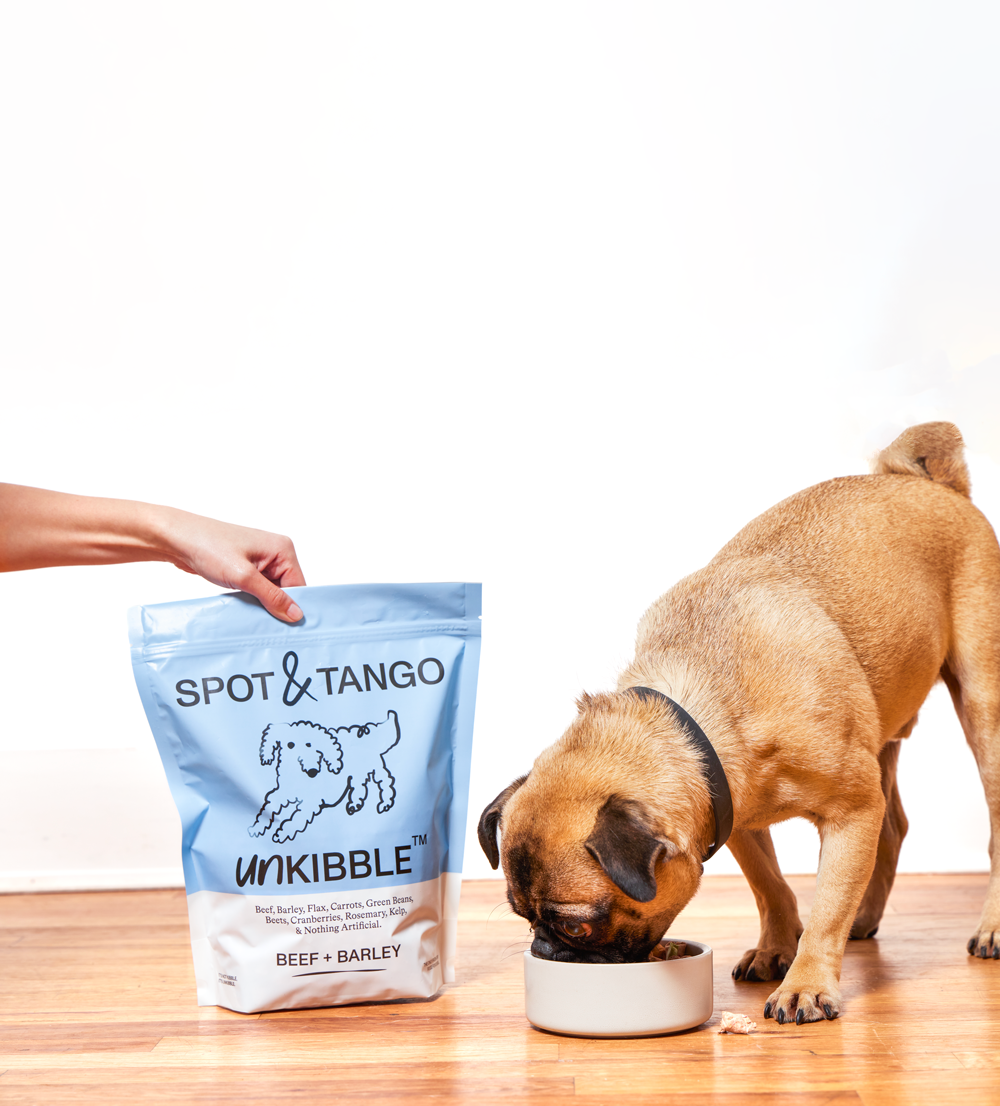
Spot & Tango
9.1Vet-formulated fresh trays and dehydrated UnKibble, portioned to the individual dog.

Lemonade Pet Insurance
9.4The lowest premiums in the category, with claims paid in minutes rather than weeks.

YETI Boomer 4 Dog Bowl
8.518/8 stainless, non-slip ring, dishwasher-safe — the last bowl you buy.
Recommendations are chosen by the Dr Murphies veterinary review board. Some links are affiliate links and we may earn a commission; this never affects our scoring, and brands do not see our copy before publication.
Dr Mariana Oliveira, DVM, DACVN
Veterinary nutritionist