Emergency
Bloat and GDV: The Ninety-Minute Emergency
Gastric dilatation-volvulus, commonly shortened to GDV or bloat, is one of the true surgical emergencies in veterinary medicine, capable of killing a large, deep-chested dog within hours of the first sign of distress.
By Dr Rowan Kelly, BVSc, MVS
15 August 2026
4 min read
Medically reviewed
Reviewed by Dr Mariana Oliveira, DVM, DACVN of the Dr Murphies Veterinary Review Board. Reviewed content is checked against current consensus guidance before publication.
Gastric dilatation-volvulus, commonly shortened to GDV or bloat, is one of the true surgical emergencies in veterinary medicine, capable of killing a large, deep-chested dog within hours of the first sign of distress. The stomach fills with gas and then twists on its own axis, cutting off blood supply to the stomach wall and spleen simultaneously. Great Danes, Standard Poodles, German Shepherds and other deep-chested breeds are at the highest documented risk.
Why the Stomach Twists
As the stomach distends with gas, it becomes mobile enough to rotate around the oesophagus and duodenum, typically clockwise when viewed from behind the dog. This volvulus traps gas and fluid inside, occludes the cardia and pylorus so nothing can escape by vomiting or belching, and progressively compresses the caudal vena cava, reducing venous return to the heart.
The combination of gastric wall ischaemia, spleen entrapment and falling cardiac output produces a cascade of shock, arrhythmias and, if untreated, death within a few hours, which is why the condition is treated as a race against the clock rather than a wait-and-see illness.
Recognising the Danger Signs
- Unproductive retching without bringing anything up
- Visibly distended, drum-tight abdomen
- Restlessness, pacing and an inability to settle
- Excessive drooling combined with a hunched, painful posture
- Rapid, shallow breathing with pale or grey gums
Any large or giant breed dog showing unproductive retching alongside a swollen abdomen should be treated as a genuine emergency, because the interval between first signs and irreversible shock can be under ninety minutes.
Confirming GDV on Presentation
Diagnosis is confirmed with a right lateral abdominal radiograph, on which a twisted, gas-filled stomach produces the classic 'double bubble' or 'Popeye arm' silhouette that separates simple bloat from true volvulus. Concurrent ECG monitoring is essential because ventricular arrhythmias secondary to reperfusion injury and electrolyte shifts are common and can persist for days after surgery.
Blood lactate levels taken on admission help predict prognosis, with markedly elevated lactate correlating with more extensive gastric wall necrosis and a higher risk of requiring partial gastrectomy during surgery.
Emergency Stabilisation and Surgery
Treatment begins with aggressive stabilisation before anaesthesia is even considered, followed by surgical correction and permanent prevention of recurrence.
- Immediate intravenous fluid resuscitation and gastric decompression via trocarisation
- Emergency exploratory surgery to untwist the stomach and assess tissue viability
- Splenectomy if the spleen is irreversibly damaged during the torsion
- Prophylactic gastropexy to permanently tack the stomach and prevent recurrence
Reducing Risk After Recovery
Dogs that survive surgery typically need 24 to 48 hours of intensive monitoring for arrhythmias, sepsis and disseminated intravascular coagulation before discharge, with a gradual return to small, frequent meals over the following weeks. Gastropexy performed at the time of emergency surgery reduces recurrence risk from around 55 percent to under 5 percent, making it a critical part of treatment rather than an optional extra.
Owners of at-risk breeds can also consider prophylactic gastropexy performed electively, often at the time of desexing, since a dog that has never bloated is far easier to protect than one recovering from a full torsion.
When to seek help urgently
- Non-productive retching lasting more than a few minutes
- Sudden abdominal swelling after a large meal or vigorous exercise
- Collapse or extreme lethargy in a deep-chested breed
- Pale, tacky gums with a rapid, weak pulse
GDV can escalate from first symptom to life-threatening shock within an hour or two, so any suspicious signs in an at-risk breed warrant an immediate call to your emergency vet rather than a wait-and-see approach.
Vet-recommended
Products our review board rates for this
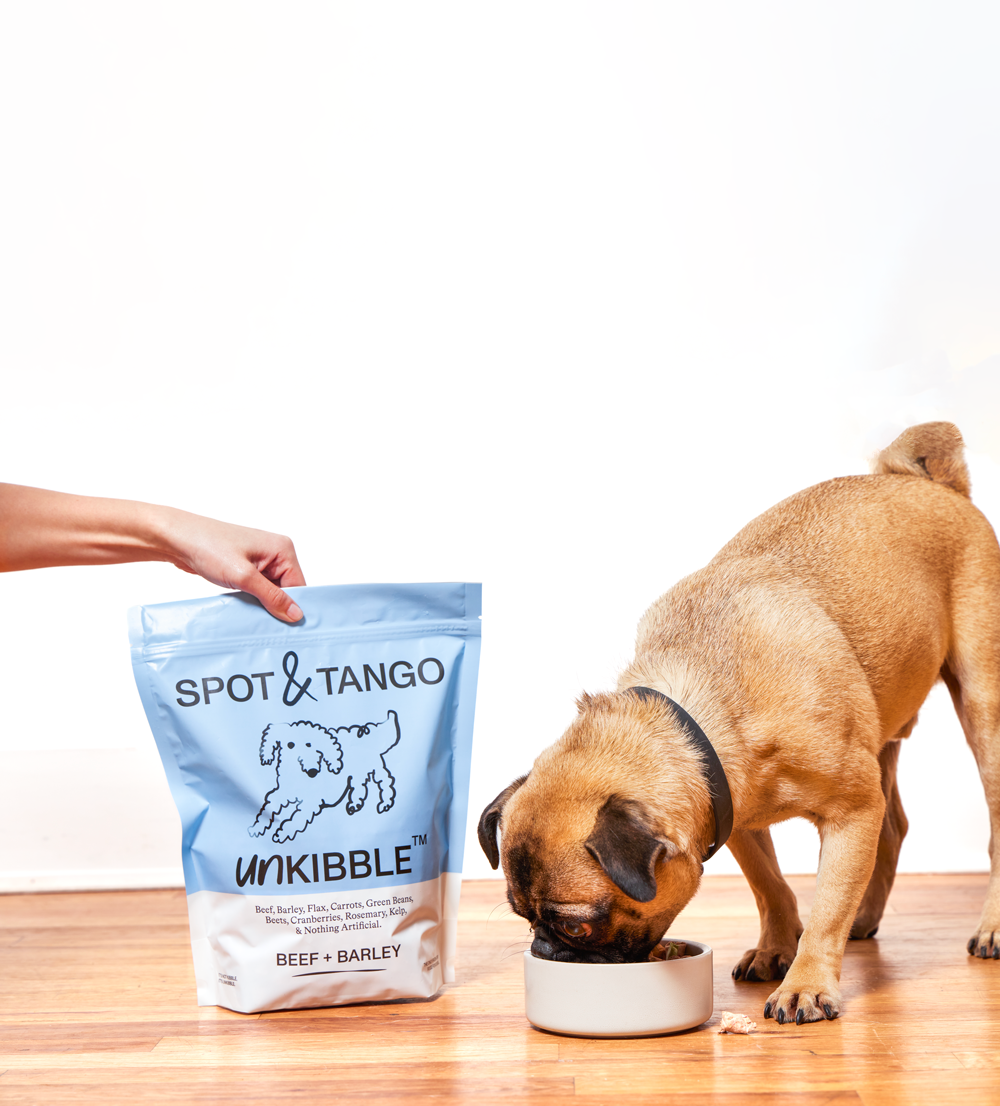
Spot & Tango
9.1Vet-formulated fresh trays and dehydrated UnKibble, portioned to the individual dog.

Lemonade Pet Insurance
9.4The lowest premiums in the category, with claims paid in minutes rather than weeks.
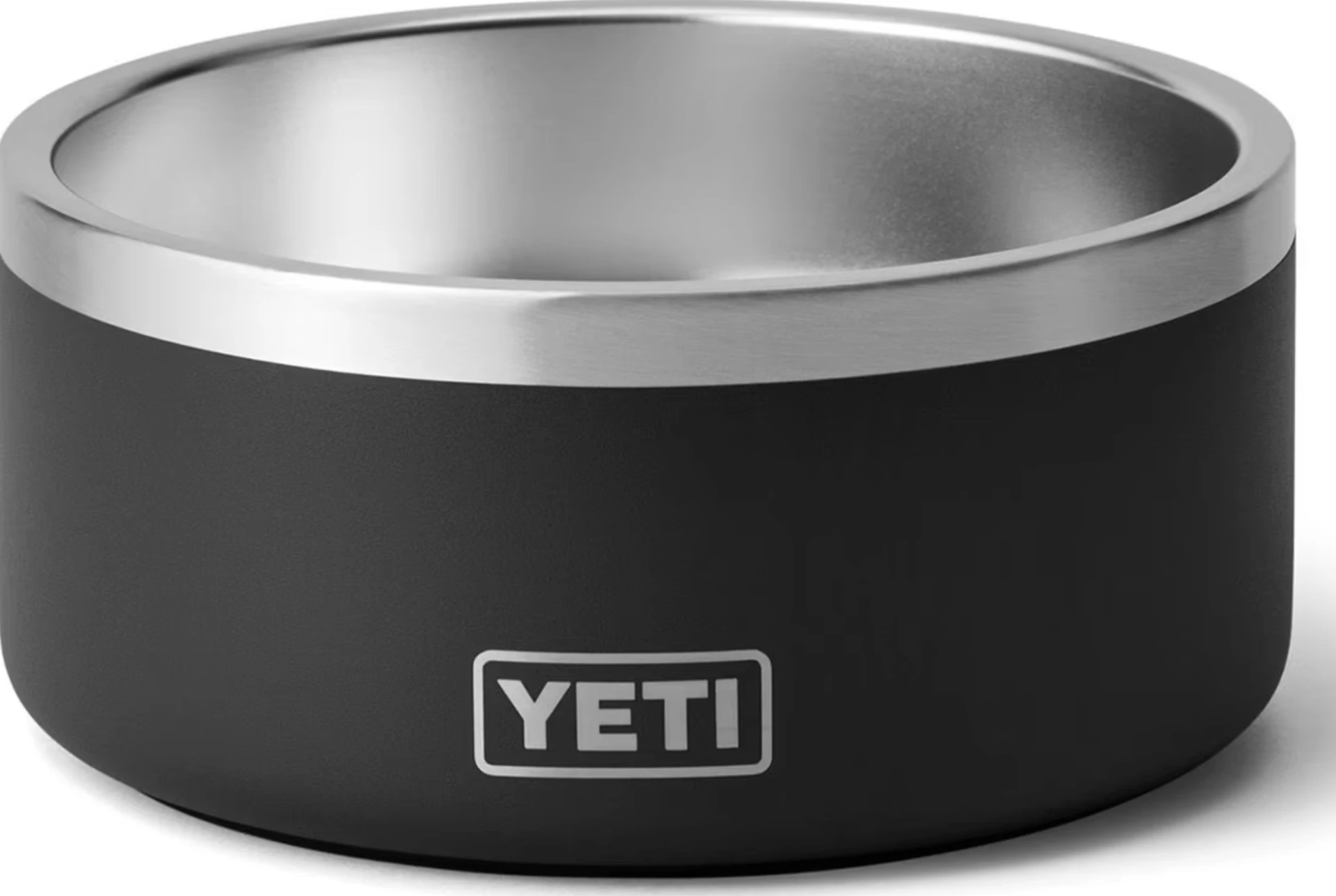
YETI Boomer 4 Dog Bowl
8.518/8 stainless, non-slip ring, dishwasher-safe — the last bowl you buy.
Recommendations are chosen by the Dr Murphies veterinary review board. Some links are affiliate links and we may earn a commission; this never affects our scoring, and brands do not see our copy before publication.
Dr Rowan Kelly, BVSc, MVS
Surgery and rehabilitation