Respiratory
Brachycephalic Airway Syndrome: What Flat Faces Cost
Brachycephalic obstructive airway syndrome describes the cluster of anatomical abnormalities that affect flat-faced breeds such as French Bulldogs, Pugs and English Bulldogs, whose skulls have been selectively bred to be dramatically shortened while the soft tissue of the airway remains proportioned for a longer muzzle.
By Dr Thomas Nakamura, DVM
6 August 2026
4 min read

Medically reviewed
Reviewed by Dr Mariana Oliveira, DVM, DACVN of the Dr Murphies Veterinary Review Board. Reviewed content is checked against current consensus guidance before publication.
Brachycephalic obstructive airway syndrome describes the cluster of anatomical abnormalities that affect flat-faced breeds such as French Bulldogs, Pugs and English Bulldogs, whose skulls have been selectively bred to be dramatically shortened while the soft tissue of the airway remains proportioned for a longer muzzle. The resulting crowding of tissue into a compressed space causes chronic partial airway obstruction that worsens progressively with age, heat and excitement.
A Skull Shortened, Soft Tissue Unchanged
Selective breeding for a shortened skull has not proportionally reduced the amount of soft palate, tongue and turbinate tissue these dogs carry, so the same volume of tissue is compressed into a much smaller space. This produces stenotic nares that narrow airflow at the nostrils, an elongated soft palate that overhangs and partially blocks the larynx, and everted laryngeal saccules that get sucked into the airway during the effort of breathing against resistance.
Over time, chronically increased negative pressure from struggling to breathe through these obstructions can cause laryngeal collapse, a progressive weakening of the laryngeal cartilage that further narrows the airway and represents the most severe, often irreversible stage of the syndrome.
The Four Components of Airway Obstruction
- Loud snoring or snorting even while awake and at rest
- Exercise intolerance with rapid tiring on short walks
- Regurgitation or gagging, especially after eating or excitement
- Bluish gums or collapse during heat or exertion
- Sleeping in unusual positions, such as sitting upright, to ease breathing
Many owners of brachycephalic breeds have come to see loud snoring and snorting as simply part of the breed's charm, which unfortunately means genuinely obstructive, treatable airway disease often goes unaddressed for years.
Grading Severity Before It Becomes an Emergency
Vets assess severity using a functional grading system that scores respiratory noise, exercise tolerance and the need for open-mouth breathing at rest, combined with a sedated oral and laryngeal examination to directly visualise soft palate length, laryngeal saccule eversion and the degree of laryngeal collapse. CT imaging is increasingly used pre-surgically to assess nasal turbinate crowding and plan the extent of surgical correction more precisely than a physical exam alone allows.
Because many affected dogs also suffer secondary gastrointestinal signs from the chronic pressure changes of laboured breathing, a full work-up often includes assessment for hiatal hernia and chronic gastritis alongside the airway examination.
Surgical Correction Options
Surgical correction, ideally performed while a dog is still young and before secondary laryngeal collapse develops, offers the best chance of long-term improvement.
- Wedge resection to widen abnormally stenotic nostrils
- Staphylectomy to shorten an overlong, obstructive soft palate
- Laser ablation or removal of everted laryngeal saccules
- Weight management to reduce fat deposition around the airway
Managing Heat, Weight and Exercise for Life
Dogs undergoing corrective surgery before laryngeal collapse sets in generally show marked improvement in breathing noise, exercise tolerance and heat resilience within weeks, which is why many specialists now recommend elective correction of stenotic nares and an overlong soft palate at the time of desexing rather than waiting for a crisis. Once significant laryngeal collapse has occurred, surgical options are more limited and outcomes less predictable, underlining the value of earlier intervention.
Lifelong management also includes keeping body weight lean, since even a small amount of extra fat around the neck and chest measurably worsens airway resistance, along with using a harness instead of a neck collar and avoiding exercise during the heat of the day.
When to seek help urgently
- Collapse, especially after exercise or in hot weather
- Blue or purple-tinged gums or tongue
- Extreme distress with open-mouth breathing that will not settle
- Body temperature that feels hot to touch with rapid, laboured panting
Brachycephalic airway syndrome is progressive but treatable, and an honest conversation with your vet about your dog's individual grading and surgical options is the best way to protect their long-term breathing.
Vet-recommended
Products our review board rates for this
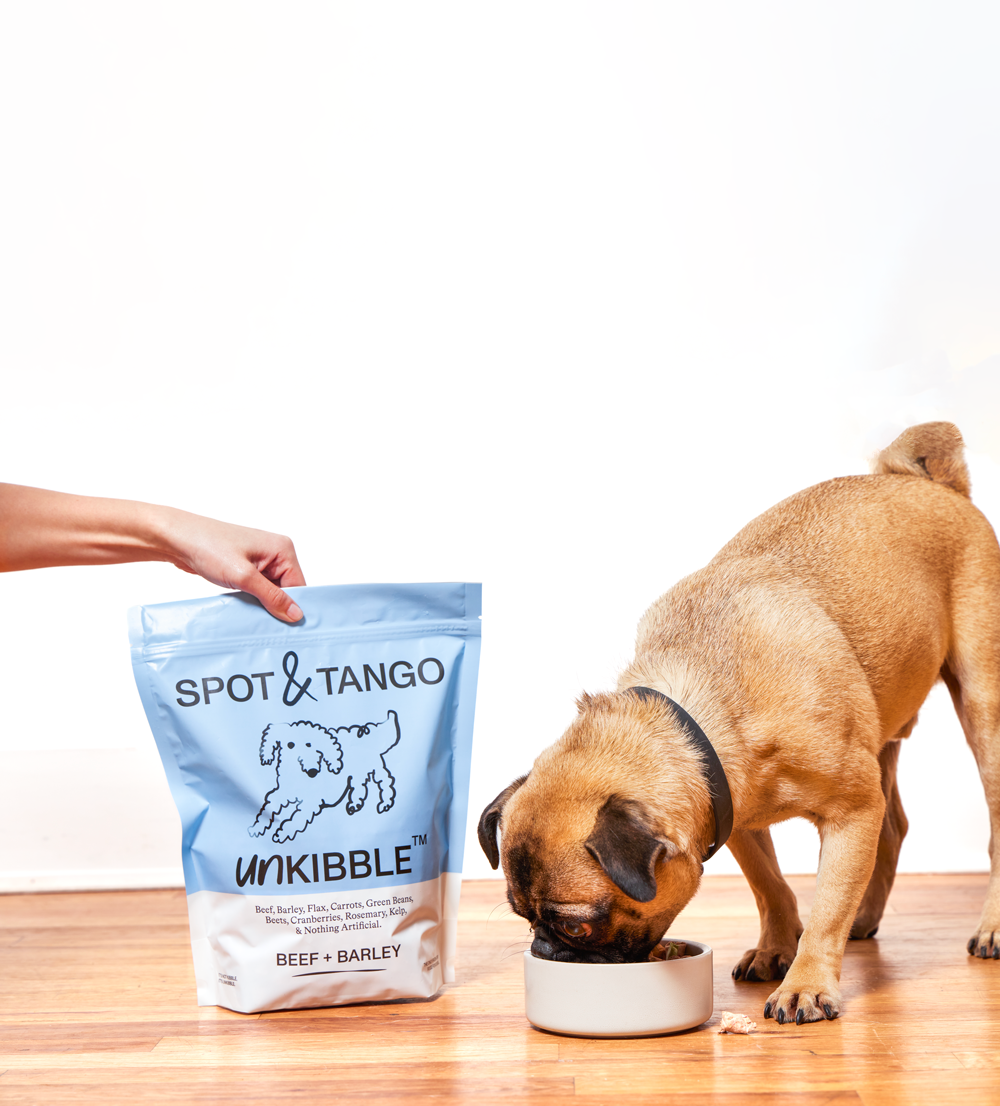
Spot & Tango
9.1Vet-formulated fresh trays and dehydrated UnKibble, portioned to the individual dog.

Lemonade Pet Insurance
9.4The lowest premiums in the category, with claims paid in minutes rather than weeks.

YETI Boomer 4 Dog Bowl
8.518/8 stainless, non-slip ring, dishwasher-safe — the last bowl you buy.
Recommendations are chosen by the Dr Murphies veterinary review board. Some links are affiliate links and we may earn a commission; this never affects our scoring, and brands do not see our copy before publication.
Dr Thomas Nakamura, DVM
Exotic and avian medicine