Endocrinology
Canine Cushing's Disease: Reading the Subtle Symptoms
Cushing's disease, or hyperadrenocorticism, results from chronic overproduction of cortisol, most often driven by a small pituitary tumour that oversecretes ACTH and drives both adrenal glands to enlarge.
By Dr Rowan Kelly, BVSc, MVS
2 August 2026
4 min read

Medically reviewed
Reviewed by Dr Noor Haddad, DVM, DACVD of the Dr Murphies Veterinary Review Board. Reviewed content is checked against current consensus guidance before publication.
Cushing's disease, or hyperadrenocorticism, results from chronic overproduction of cortisol, most often driven by a small pituitary tumour that oversecretes ACTH and drives both adrenal glands to enlarge. A smaller proportion of cases stem from a functional adrenal tumour secreting cortisol independently of pituitary control. Because the resulting signs, increased thirst, appetite and a pot-bellied appearance, develop so gradually, many owners initially mistake them for ordinary signs of ageing.
Pituitary-Dependent Versus Adrenal-Dependent Disease
Roughly 80 to 85 percent of canine Cushing's cases arise from a pituitary microadenoma that continually secretes ACTH, driving bilateral adrenal cortical hyperplasia and excess cortisol output regardless of the body's normal feedback signals. The remaining cases involve a unilateral adrenal tumour, which may be benign or malignant, secreting cortisol autonomously while suppressing the opposite, unaffected adrenal gland.
Chronic excess cortisol suppresses immune function, thins the skin, redistributes fat to the abdomen, and induces insulin resistance, producing the combination of a pot-bellied appearance, muscle wasting and increased susceptibility to infection seen in long-standing cases.
The Slow-Burn Symptom Picture
- Markedly increased thirst and urination
- Increased appetite, sometimes bordering on ravenous
- Thinning of the skin with poor wound healing
- Pot-bellied abdominal distension from muscle and fat redistribution
- Symmetrical hair loss along the trunk without itching
Because these changes creep in gradually over many months, they are frequently attributed to normal ageing, particularly in the middle-aged to older dogs most commonly affected.
Why Diagnosis Requires More Than One Test
No single test is fully reliable, so vets typically combine a low-dose dexamethasone suppression test, which assesses whether cortisol production can be appropriately suppressed, with an ACTH stimulation test to confirm adrenal overactivity and monitor treatment response later on. Abdominal ultrasound helps distinguish pituitary-dependent disease, where both adrenal glands appear symmetrically enlarged, from an adrenal tumour, which typically appears as a single enlarged or irregular gland with a normal-sized opposite gland.
Baseline bloodwork often shows a classic 'stress leukogram' alongside elevated liver enzymes and dilute urine, findings that raise clinical suspicion even before specific endocrine testing is performed.
Medical Management With Trilostane
Treatment aims to control clinical signs and cortisol levels without over-suppressing adrenal function, which carries its own risks.
- Trilostane daily to inhibit cortisol synthesis in the adrenal cortex
- Regular ACTH stimulation tests to fine-tune the trilostane dose
- Adrenalectomy for dogs with a resectable unilateral adrenal tumour
- Management of concurrent conditions such as diabetes or hypertension
Monitoring for Life
Most pituitary-dependent cases are managed long-term with daily trilostane, with dose adjustments guided by repeat ACTH stimulation testing roughly one to two weeks after starting treatment, then again at four, twelve and twenty-four weeks, and periodically thereafter. Well-controlled dogs typically see thirst, appetite and skin condition improve within four to eight weeks, though the pot-bellied conformation may take several months to resolve fully.
Owners need to remain alert for signs of over-treatment, since excessive cortisol suppression can precipitate a life-threatening Addisonian crisis, making regular monitoring visits an essential part of lifelong management rather than an optional extra.
When to seek help urgently
- Sudden vomiting, diarrhoea or collapse (possible Addisonian crisis)
- Marked lethargy or weakness after starting trilostane
- Signs of a urinary tract infection such as straining to urinate
- Sudden onset of seizures or disorientation
Cushing's disease is a lifelong condition requiring careful, individualised dose titration, so ongoing monitoring in partnership with your veterinarian is essential to keep your dog both comfortable and safe.
Vet-recommended
Products our review board rates for this
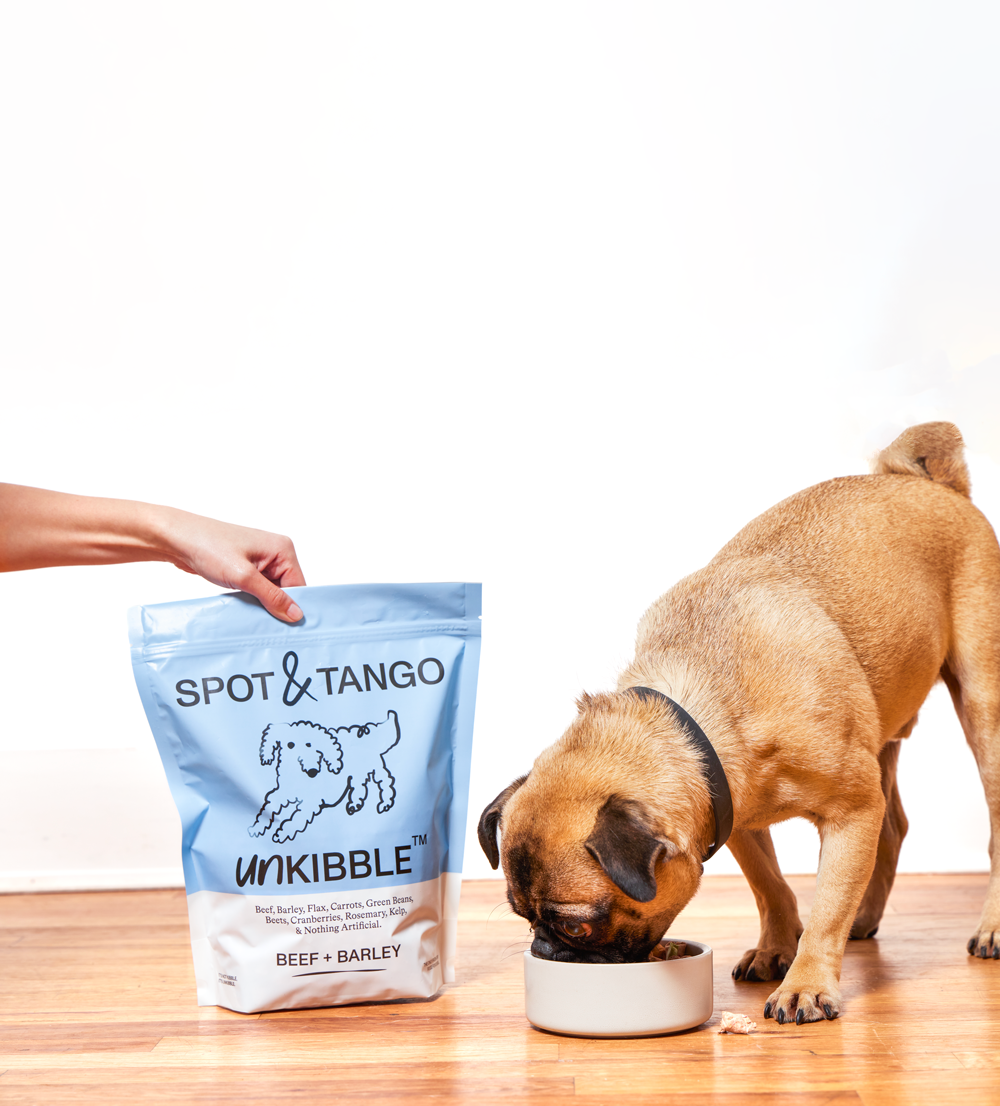
Spot & Tango
9.1Vet-formulated fresh trays and dehydrated UnKibble, portioned to the individual dog.

Lemonade Pet Insurance
9.4The lowest premiums in the category, with claims paid in minutes rather than weeks.

YETI Boomer 4 Dog Bowl
8.518/8 stainless, non-slip ring, dishwasher-safe — the last bowl you buy.
Recommendations are chosen by the Dr Murphies veterinary review board. Some links are affiliate links and we may earn a commission; this never affects our scoring, and brands do not see our copy before publication.
Dr Rowan Kelly, BVSc, MVS
Surgery and rehabilitation