Infectious Disease
Canine Influenza: What Boarding Facilities Want You to Know
Canine influenza is caused by influenza A viruses, primarily the H3N8 strain that jumped from horses and the more recently emerged H3N2 strain that jumped from birds, both of which spread efficiently between dogs in group settings such as boarding kennels, daycare facilities and dog shows.
By Dr Rowan Kelly, BVSc, MVS
1 July 2026
4 min read

Medically reviewed
Reviewed by Dr Noor Haddad, DVM, DACVD of the Dr Murphies Veterinary Review Board. Reviewed content is checked against current consensus guidance before publication.
Canine influenza is caused by influenza A viruses, primarily the H3N8 strain that jumped from horses and the more recently emerged H3N2 strain that jumped from birds, both of which spread efficiently between dogs in group settings such as boarding kennels, daycare facilities and dog shows. Because canine influenza is a relatively novel pathogen in the general dog population, nearly all exposed dogs become infected, though the severity of illness varies considerably between mild, cold-like cases and severe haemorrhagic pneumonia.
Two Strains, One Highly Contagious Disease
Both H3N8 and H3N2 canine influenza strains spread through respiratory droplets produced by coughing and sneezing, as well as via contaminated surfaces, hands and clothing, with the virus capable of surviving on surfaces for up to 48 hours and on hands for a shorter period. Because these strains represent relatively recent species jumps into the dog population, the vast majority of dogs lack any pre-existing immunity, meaning close contact in a boarding or daycare setting can lead to attack rates approaching 100 percent among exposed, unvaccinated dogs.
Unlike some respiratory pathogens that primarily affect the upper airway, canine influenza virus can replicate throughout the respiratory tract, and in a minority of dogs progresses to viral or secondary bacterial pneumonia affecting the lungs themselves, which accounts for the more severe presentations seen in some outbreaks.
Why Nearly Every Exposed Dog Gets Infected
- Persistent cough lasting two to three weeks or more
- Nasal discharge, sometimes progressing from clear to thick and coloured
- Fever, sometimes spiking above 40°C in more severe cases
- Lethargy and reduced appetite alongside respiratory signs
- Rapid, laboured breathing suggesting progression to pneumonia
The overlap with kennel cough is considerable, but canine influenza more often produces a persistent fever and a cough that drags on for weeks rather than resolving within seven to ten days, which is a useful, though not definitive, clue during an outbreak investigation.
Distinguishing Influenza From Kennel Cough
Distinguishing canine influenza from other causes of infectious respiratory disease on clinical signs alone is unreliable, so PCR testing of a pharyngeal or nasal swab during the first few days of illness, combined with paired serology showing rising antibody titres two to three weeks apart, provides the most reliable confirmation. During recognised outbreaks, facilities often submit samples from multiple affected dogs to identify the specific strain involved, since this informs both treatment expectations and how long a quarantine period is warranted.
Chest radiographs are reserved for dogs showing signs of pneumonia, helping distinguish uncomplicated viral influenza from secondary bacterial pneumonia that may require a more aggressive antibiotic approach and closer hospitalisation.
Testing During an Outbreak
Treatment is largely supportive, since there is no specific antiviral approved for canine influenza, with management focused on comfort, hydration and preventing secondary complications.
- Rest and isolation from other dogs for a minimum of two to three weeks
- Supportive fluids and nutritional support for dogs with reduced appetite
- Antibiotics reserved for confirmed secondary bacterial pneumonia
- Vaccination against H3N2 and H3N8 for dogs in high-exposure environments
Outbreak Control in Group Housing Settings
Most dogs with uncomplicated canine influenza recover fully within two to three weeks with supportive care alone, though the small proportion that develop pneumonia require more intensive treatment including hospitalisation, intravenous fluids and targeted antibiotics based on culture results. Vaccination is not universally required but is a reasonable consideration for dogs regularly attending boarding, daycare, grooming or shows, particularly in regions with known recent outbreaks, and most facilities that require it do so to reduce overall outbreak risk for all boarders.
Because dogs can shed virus for one to four weeks depending on the strain, reputable boarding facilities enforce strict isolation protocols and often decline admission for any dog with a recent cough history until a suitable symptom-free period has passed.
When to seek help urgently
- Laboured or rapid breathing suggesting pneumonia
- High fever with marked lethargy and no interest in food
- Coughing up blood-tinged discharge
- Blue-tinged gums indicating poor oxygenation
Canine influenza spreads efficiently wherever dogs mix closely, so if your dog boards, attends daycare or shows regularly, it is worth discussing vaccination and current local outbreak risk with your vet before booking.
Vet-recommended
Products our review board rates for this
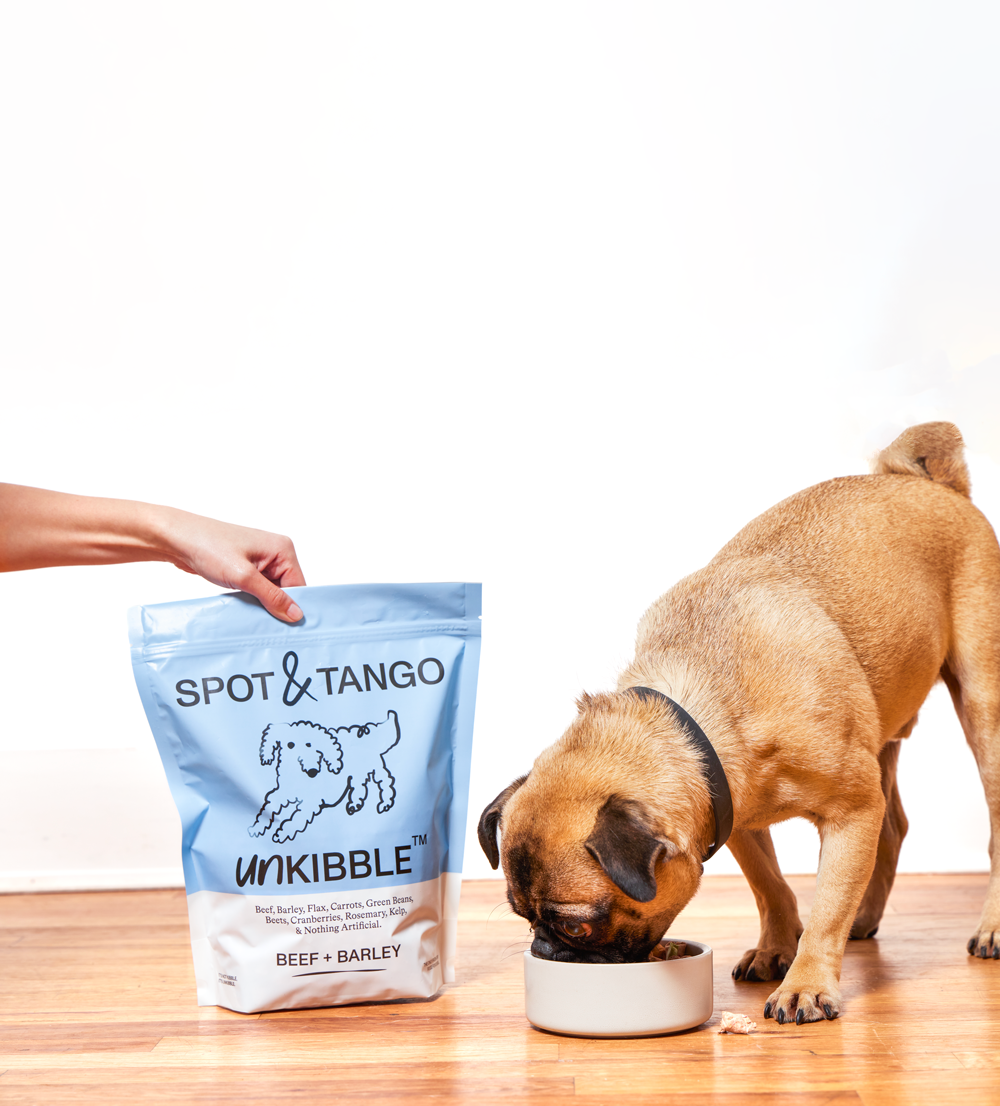
Spot & Tango
9.1Vet-formulated fresh trays and dehydrated UnKibble, portioned to the individual dog.

Lemonade Pet Insurance
9.4The lowest premiums in the category, with claims paid in minutes rather than weeks.

YETI Boomer 4 Dog Bowl
8.518/8 stainless, non-slip ring, dishwasher-safe — the last bowl you buy.
Recommendations are chosen by the Dr Murphies veterinary review board. Some links are affiliate links and we may earn a commission; this never affects our scoring, and brands do not see our copy before publication.
Dr Rowan Kelly, BVSc, MVS
Surgery and rehabilitation