Infectious Disease
Canine Parvovirus: The Case for Early Vaccination
Canine parvovirus is a highly resilient, highly contagious virus that targets the rapidly dividing cells of the intestinal lining and bone marrow, producing a combination of severe haemorrhagic diarrhoea and immune suppression that can kill unvaccinated puppies within days.
By Dr Priya Raghunathan, BVMS
19 July 2026
4 min read
Medically reviewed
Reviewed by Dr Mariana Oliveira, DVM, DACVN of the Dr Murphies Veterinary Review Board. Reviewed content is checked against current consensus guidance before publication.
Canine parvovirus is a highly resilient, highly contagious virus that targets the rapidly dividing cells of the intestinal lining and bone marrow, producing a combination of severe haemorrhagic diarrhoea and immune suppression that can kill unvaccinated puppies within days. The virus can survive in the environment for months and resists many common disinfectants, meaning exposure risk persists long after an infected dog has left an area. Puppies between six weeks and six months of age are at the highest risk, precisely during the window when maternal antibody protection is fading.
How the Virus Attacks Gut and Bone Marrow
Parvovirus specifically targets rapidly dividing cells, which is why it devastates the intestinal crypt cells responsible for regenerating the gut lining, causing villous blunting, loss of the mucosal barrier and severe malabsorption alongside haemorrhage into the gut lumen. The virus simultaneously suppresses bone marrow production of white blood cells, leaving already fluid-depleted puppies with a critically weakened immune system just as bacteria from the damaged gut translocate into the bloodstream.
This combination of gut barrier failure and immune suppression is why secondary bacterial sepsis, rather than the virus itself, is often the direct cause of death in untreated cases.
The Danger Window Between Maternal Immunity and Vaccination
- Sudden, profuse vomiting followed by severe diarrhoea
- Diarrhoea with a distinctive foul, haemorrhagic odour
- Marked lethargy and reluctance to move or play
- Complete loss of appetite alongside a painful abdomen
- Rapid dehydration visible as sunken eyes and tented skin
Because maternal antibodies decline unpredictably between six and sixteen weeks of age, puppies can lose protection weeks before their vaccination series is complete, which is exactly why the current series of boosters every three to four weeks until sixteen weeks exists rather than a single early jab.
Recognising Severe Gastrointestinal Signs Early
A faecal ELISA antigen test performed in-clinic gives a rapid result within minutes and is the standard first-line diagnostic, though false negatives can occur very early or very late in infection, so vets often combine clinical suspicion with PCR testing when the ELISA result seems inconsistent with the clinical picture. Bloodwork typically reveals a profoundly low white cell count, which both supports the diagnosis and carries prognostic weight, since more severe leukopenia correlates with a poorer outcome.
Because parvovirus is so contagious, suspected cases are isolated immediately on presentation and staff follow strict barrier protocols, since the virus can be carried on hands, clothing and equipment between patients.
Confirming Infection With a Faecal Test
There is no drug that kills the virus directly, so treatment focuses entirely on supporting the puppy through the illness until its own immune system can clear the infection.
- Aggressive intravenous fluid therapy to correct dehydration and electrolyte loss
- Broad-spectrum antibiotics to control secondary bacterial sepsis
- Anti-nausea medication and, where needed, plasma or blood transfusion
- Careful, gradual reintroduction of food once vomiting is controlled
Intensive Supportive Care and Realistic Survival Rates
With intensive inpatient care, survival rates for canine parvovirus generally exceed 85 to 90 percent, though outcomes are meaningfully worse for puppies who present with severe leukopenia, are very young, or belong to breeds with reported higher susceptibility such as Rottweilers and Doberman Pinschers. Outpatient protocols using longer-acting antiemetics and antibiotics have improved survival for owners unable to afford full hospitalisation, though hospitalised puppies generally have better outcomes than those managed at home.
Recovered puppies shed virus in their faeces for up to two weeks after clinical recovery, so environmental decontamination with a parvocidal disinfectant such as diluted bleach and continued isolation from unvaccinated dogs remains important even after the puppy appears well.
When to seek help urgently
- Bloody diarrhoea combined with lethargy in an unvaccinated puppy
- Repeated vomiting preventing any fluid or food retention
- Pale gums or a weak, rapid pulse suggesting shock
- Collapse or unresponsiveness in a previously playful puppy
Parvovirus is one of the clearest cases in veterinary medicine where prevention dramatically outperforms treatment, so keeping to the full vaccination schedule your vet recommends is the single most protective thing you can do for a young puppy.
Vet-recommended
Products our review board rates for this
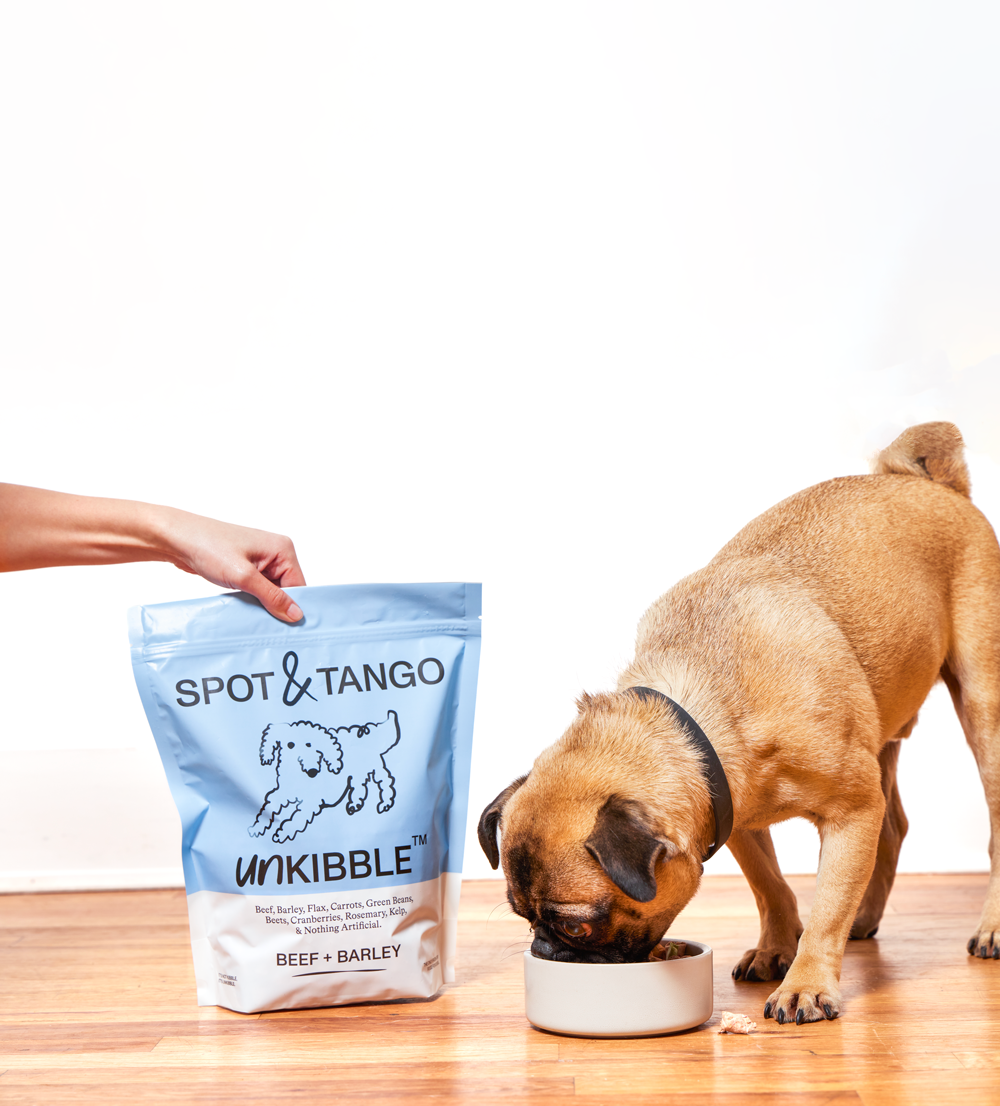
Spot & Tango
9.1Vet-formulated fresh trays and dehydrated UnKibble, portioned to the individual dog.

Lemonade Pet Insurance
9.4The lowest premiums in the category, with claims paid in minutes rather than weeks.
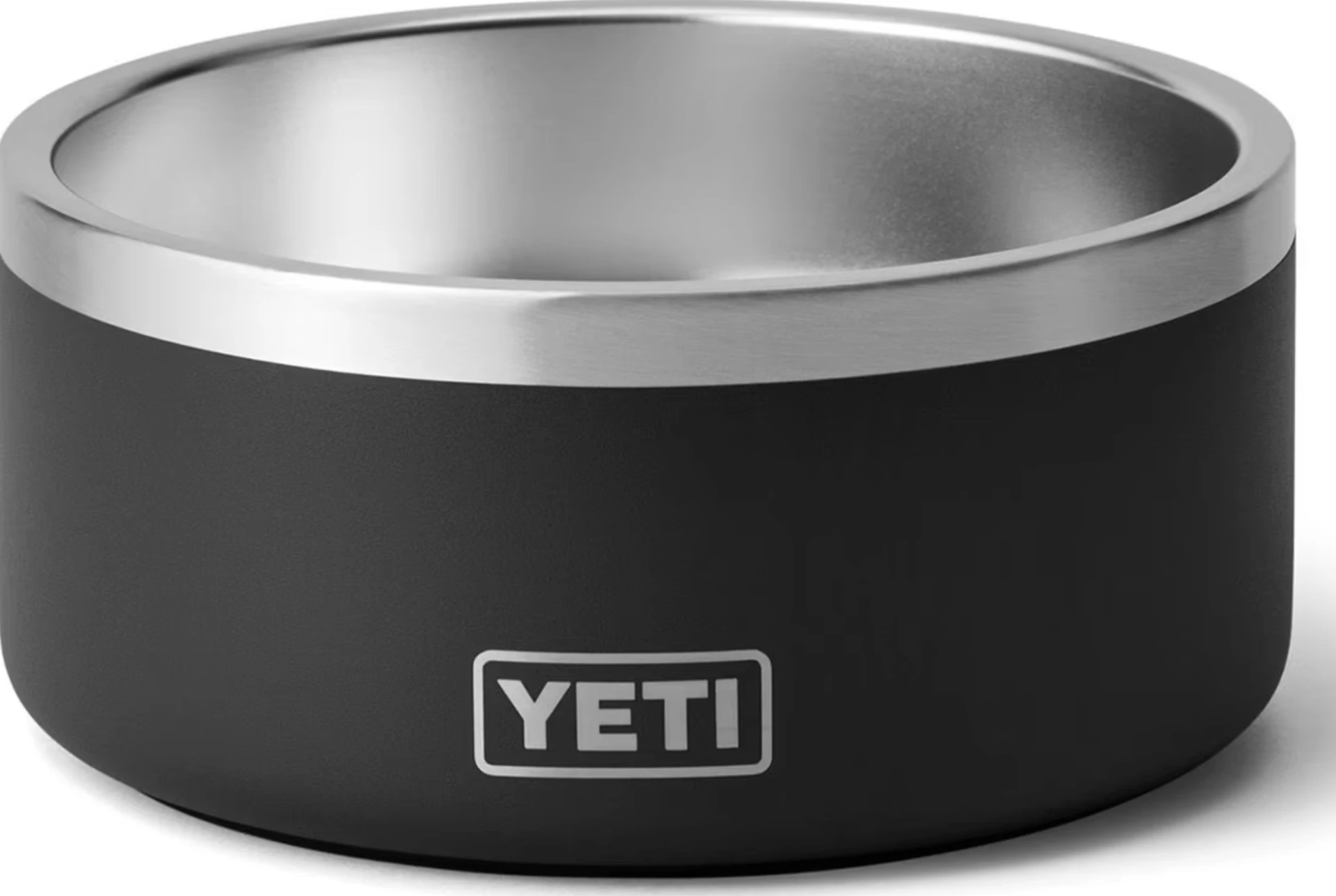
YETI Boomer 4 Dog Bowl
8.518/8 stainless, non-slip ring, dishwasher-safe — the last bowl you buy.
Recommendations are chosen by the Dr Murphies veterinary review board. Some links are affiliate links and we may earn a commission; this never affects our scoring, and brands do not see our copy before publication.
Dr Priya Raghunathan, BVMS
Emergency and critical care clinician