Emergency
Cat Bite Abscesses: Why They Blow Up on Day Four
A cat bite delivers bacteria deep into muscle through a small, deceptively neat puncture wound that seals over within hours, trapping infection beneath the skin.
By Dr Aisha Bello, BVetMed
9 July 2026
4 min read

Medically reviewed
Reviewed by Dr Samuel Adeyemi, DVM, DACVIM of the Dr Murphies Veterinary Review Board. Reviewed content is checked against current consensus guidance before publication.
A cat bite delivers bacteria deep into muscle through a small, deceptively neat puncture wound that seals over within hours, trapping infection beneath the skin. This is precisely why abscesses so often appear to erupt out of nowhere three to five days after a fight that the owner may not have even witnessed.
Why Puncture Wounds Seal and Trap Infection
A cat's narrow, sharp canine teeth create a small entry wound that closes over within hours due to the elasticity of feline skin, while depositing bacteria such as Pasteurella multocida deep into underlying muscle tissue. This sealed, oxygen-poor pocket is an ideal environment for anaerobic bacteria to multiply undisturbed.
Over the following days, the immune system's response to this bacterial growth produces a thick, foul-smelling pus that accumulates under pressure, unable to drain through the sealed puncture site. By around day three to five, pressure and inflammation peak, causing the visibly hot, painful swelling owners typically notice.
The Predictable Day-Three-to-Five Timeline
- A firm, warm swelling appearing suddenly a few days after a fight
- Marked pain on gentle pressure over the swollen area
- Lethargy and reduced appetite as fever develops
- A foul odour or discharge if the abscess has begun to rupture spontaneously
- Limping or reluctance to move if the abscess is near a joint
Because the original puncture wound is usually tiny and hidden beneath fur, and often unwitnessed if the fight happened outdoors, owners typically only notice the problem once fever and swelling appear days later, well after the initial bite.
Finding a Wound Under Thick Fur
Diagnosis is largely clinical: a fluctuant, painful swelling with a recent history of outdoor access or known fighting is highly suggestive, and gentle palpation often reveals the characteristic soft, fluid-filled centre surrounded by firmer inflamed tissue. A mild to moderate fever is common alongside.
In cats with recurrent abscesses or those near joints and body cavities, radiographs or ultrasound help rule out a retained tooth fragment, deeper tissue involvement or joint infection that would need a more extensive surgical approach than simple lancing.
Lancing, Draining and Antibiotic Choice
Treatment focuses on relieving pressure by draining the accumulated pus and clearing the underlying bacterial infection with appropriate antibiotics.
- Lancing and thorough flushing of the abscess under sedation or general anaesthetic
- A course of amoxicillin-clavulanate, effective against typical Pasteurella and anaerobic bite bacteria
- Placement of a temporary drain in larger or deep abscesses to keep the wound open
- Pain relief with meloxicam or buprenorphine during the initial painful phase
Aftercare and Reducing Future Fight Risk
Keeping the drainage site open and clean, sometimes with a warm compress applied a few times daily, helps prevent premature re-sealing while infection is still clearing; an Elizabethan collar prevents the cat from licking or biting at the healing site.
Cats with a pattern of repeated fight wounds benefit from a broader look at territory conflict, whether from unneutered status, a new cat in the neighbourhood, or overcrowding, since addressing the underlying cause of fighting reduces recurrence far more effectively than treating each abscess individually.
When to seek help urgently
- Rapidly spreading swelling with high fever and marked lethargy
- Difficulty breathing if a bite or resulting swelling is near the neck or chest
- An abscess that has ruptured with continued worsening rather than improvement
- Signs of sepsis such as collapse, pale gums or extreme weakness
Bite wounds can look trivial at first and become serious within days, so any known fight, even without visible injury at the time, is worth a veterinary check rather than waiting for a swelling to appear.
Vet-recommended
Products our review board rates for this
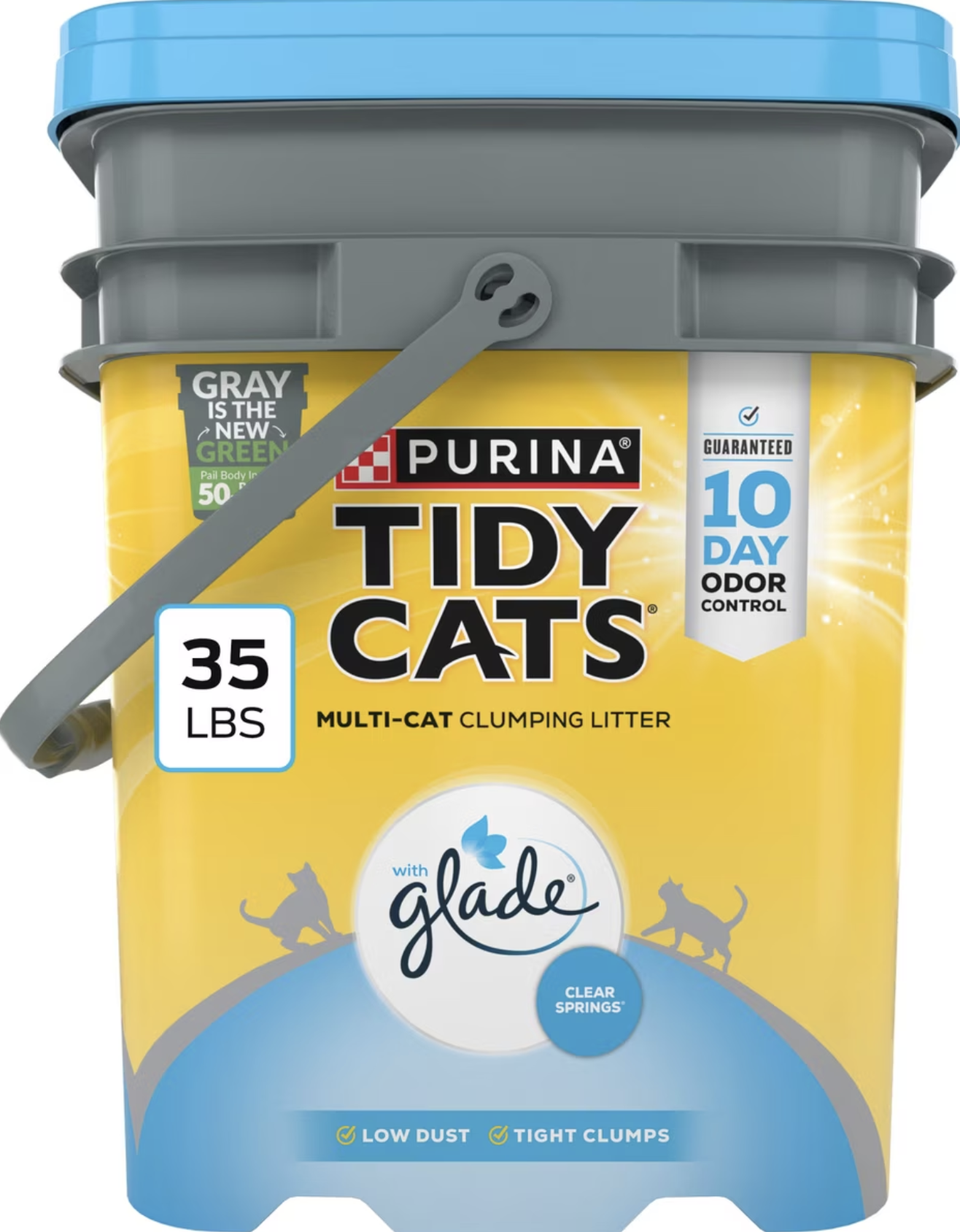
Tidy Cats Glade Clear Springs
7.9Tight clumps, low dust and a ten-day odour guarantee in a 35-lb multi-cat pail.

Lemonade Pet Insurance
9.4The lowest premiums in the category, with claims paid in minutes rather than weeks.

Meow Mix Tender Centers
6.4Crunchy outside, soft centre, chicken and tuna flavoured — the palatability play.
Recommendations are chosen by the Dr Murphies veterinary review board. Some links are affiliate links and we may earn a commission; this never affects our scoring, and brands do not see our copy before publication.
Dr Aisha Bello, BVetMed
Preventive care and shelter medicine