Dentistry
Cat Dental Resorptive Lesions: The Painful Cavity You Can't See
Feline tooth resorption affects an estimated half of cats over the age of five, eroding tooth structure from within in a process unrelated to the decay seen in human cavities.
By Dr Mariana Oliveira, DVM, DACVN
15 July 2026
4 min read
Medically reviewed
Reviewed by Dr Eleanor Murphy, BVSc of the Dr Murphies Veterinary Review Board. Reviewed content is checked against current consensus guidance before publication.
Feline tooth resorption affects an estimated half of cats over the age of five, eroding tooth structure from within in a process unrelated to the decay seen in human cavities. Because the damage often starts below the gumline, it frequently goes unnoticed until the cat shows a sudden, sharp pain response during eating or an oral exam.
A Cavity That Starts From Inside the Tooth
Resorptive lesions begin when the cat's own odontoclast cells, normally responsible for the controlled resorption of baby teeth, become abnormally activated against adult tooth roots for reasons that remain incompletely understood. These cells erode dentine progressively from the root outward, eventually reaching the sensitive pulp cavity.
Once the lesion breaches the pulp, every touch to that tooth transmits sharp pain directly to exposed nerve tissue. In more advanced cases, the body responds by laying down replacement bone-like tissue that fuses the root to the jaw itself, a stage called ankylosis that makes standard extraction technique impossible.
Why Cats Rarely Show Obvious Pain
- Sudden jaw chattering or head shaking when eating dry food
- Dropping food from the mouth mid-chew
- Bleeding or a small red, inflamed lump at the gumline over a tooth
- Reduced appetite or preference for wet food over kibble
- Excessive drooling, sometimes tinged with blood
Jaw chattering during eating is one of the most specific signs of feline tooth resorption and reflects a genuine, sharp pain reflex rather than fussy eating, so it should always prompt a dental examination rather than a diet change alone.
Probing and Dental Radiographs Under Anaesthetic
A gentle probe run along the gumline under sedation can detect the classic sensitivity response — a chatter or flinch — at the site of a lesion, but this only identifies lesions that have progressed beneath the gum. Full-mouth dental radiographs under general anaesthetic are essential, since the majority of lesions are invisible on visual exam alone.
Radiographs also distinguish between resorption confined to the crown and root (Type 1, where the root retains normal density) and ankylotic resorption where root and bone have fused (Type 2), a distinction that changes the surgical approach significantly.
Extraction Versus the Myth of Filling
Because resorption is progressive and painful, and there is no way to halt or reverse it once started, extraction remains the only reliable treatment.
- Full extraction of the affected tooth under general anaesthetic
- Crown amputation with intentional root retention, used specifically for confirmed Type 2 ankylotic lesions
- Post-extraction pain relief with meloxicam or buprenorphine for several days
- Full-mouth radiographs at the same anaesthetic to check for additional undetected lesions
Preventing New Lesions Forming
Cats recover remarkably well after extraction, typically eating normally again within a day or two even after multiple teeth are removed, since chronic pain is relieved rather than caused by the procedure. Soft food for the first week aids comfortable healing.
Because affected cats have a strong tendency to develop new lesions in other teeth over time, dental radiographs are recommended at every subsequent anaesthetic dental, roughly annually, rather than relying on visual inspection alone to catch problems early.
When to seek help urgently
- Sudden refusal to eat combined with visible drooling or blood
- Persistent pawing at the mouth or face
- A swollen jaw or facial area suggesting a dental abscess
- Marked weight loss linked to reluctance to chew
Because so much of this disease is hidden below the gumline, only anaesthetised radiographic examination by your vet can confirm the extent of lesions and the right surgical plan for your cat.
Vet-recommended
Products our review board rates for this
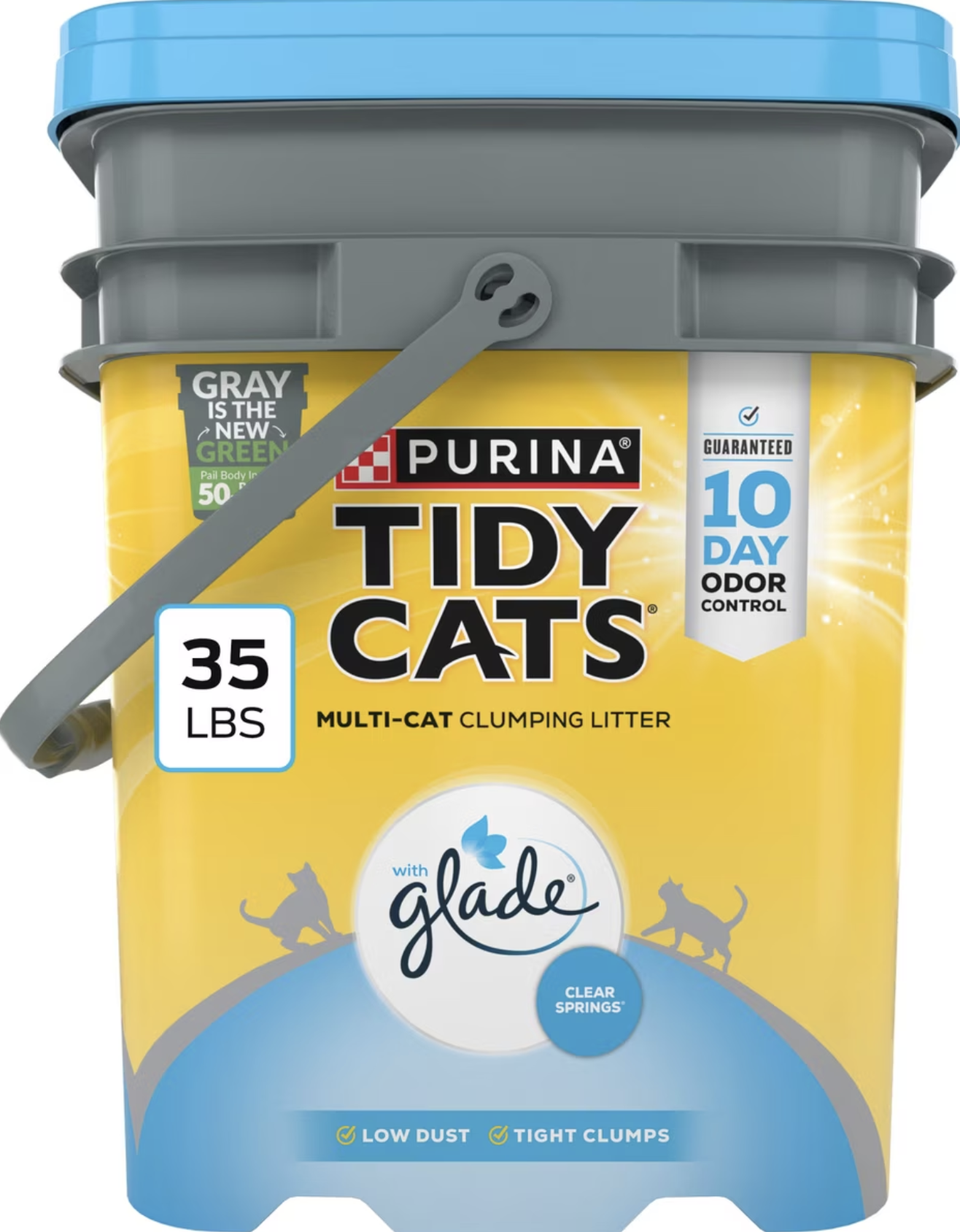
Tidy Cats Glade Clear Springs
7.9Tight clumps, low dust and a ten-day odour guarantee in a 35-lb multi-cat pail.

Lemonade Pet Insurance
9.4The lowest premiums in the category, with claims paid in minutes rather than weeks.
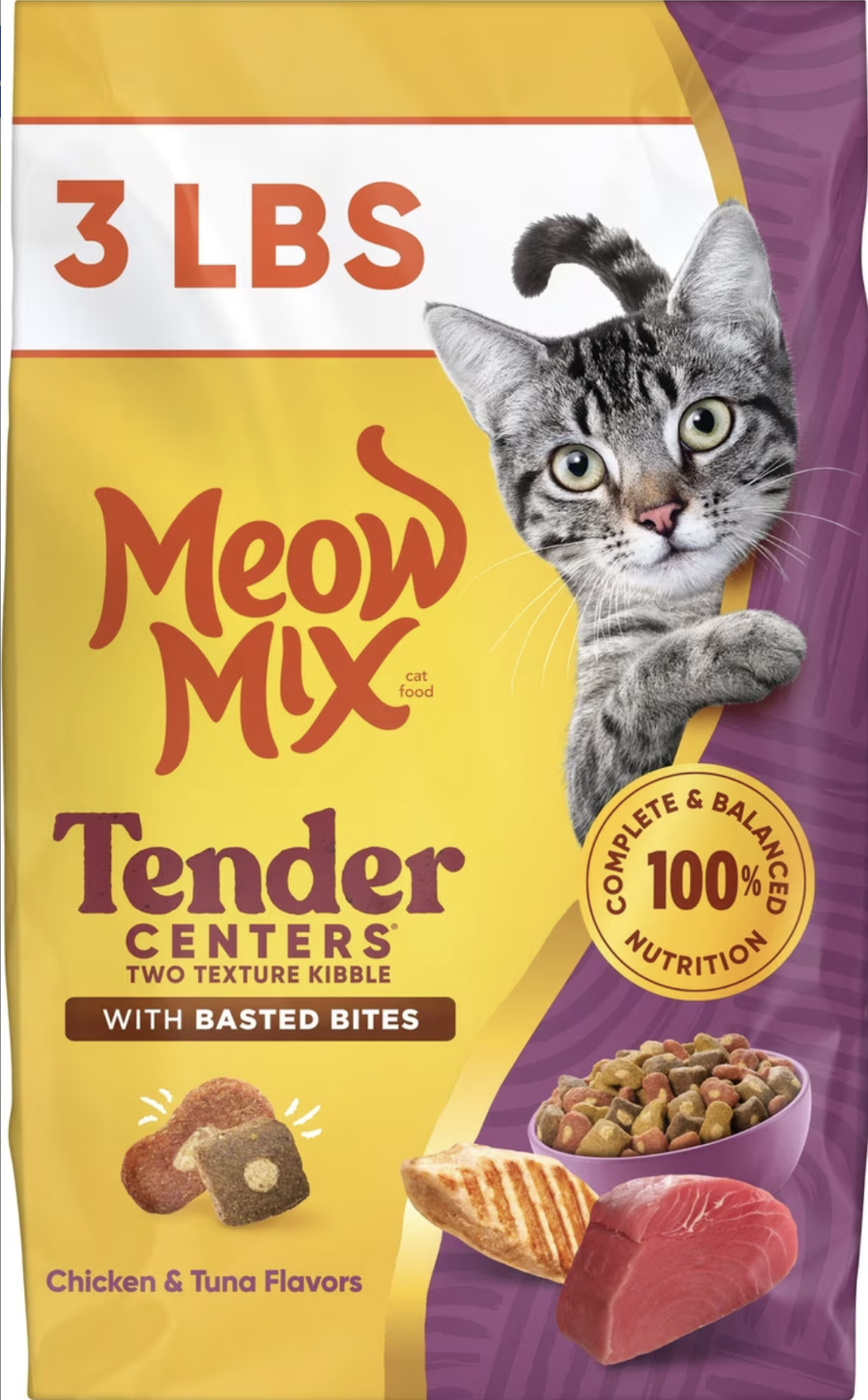
Meow Mix Tender Centers
6.4Crunchy outside, soft centre, chicken and tuna flavoured — the palatability play.
Recommendations are chosen by the Dr Murphies veterinary review board. Some links are affiliate links and we may earn a commission; this never affects our scoring, and brands do not see our copy before publication.
Dr Mariana Oliveira, DVM, DACVN
Veterinary nutritionist