Nephrology
Chronic Kidney Disease in Dogs: Slowing the Decline
Chronic kidney disease describes a progressive, irreversible loss of functioning nephrons over months to years, most commonly seen in older dogs as a consequence of age-related degeneration, though it can also follow untreated infections, toxin exposure or congenital abnormalities in younger dogs.
By Dr Rowan Kelly, BVSc, MVS
9 July 2026
4 min read

Medically reviewed
Reviewed by Dr Mariana Oliveira, DVM, DACVN of the Dr Murphies Veterinary Review Board. Reviewed content is checked against current consensus guidance before publication.
Chronic kidney disease describes a progressive, irreversible loss of functioning nephrons over months to years, most commonly seen in older dogs as a consequence of age-related degeneration, though it can also follow untreated infections, toxin exposure or congenital abnormalities in younger dogs. Because the kidneys have considerable functional reserve, clinical signs typically do not appear until roughly two-thirds of nephron function has already been lost, making early detection through routine bloodwork particularly valuable.
Why Signs Appear Only After Major Nephron Loss
Each kidney contains roughly a million nephrons, and remaining healthy nephrons initially compensate for losses by increasing their individual filtration rate, a process called hyperfiltration that maintains normal blood values even as functional mass declines. Once compensatory capacity is exhausted, waste products such as urea and creatinine begin accumulating in the blood, and the kidneys also lose the ability to concentrate urine effectively, producing the classic combination of increased thirst and dilute urination.
The remaining nephrons under chronic hyperfiltration stress are themselves subject to progressive glomerular damage, meaning kidney disease tends to accelerate over time even without a new insult, which is part of why management focuses heavily on reducing this additional workload.
The Compensatory Signs Owners Notice First
- Increased thirst and correspondingly diluted urine
- Gradual weight loss and reduced muscle condition
- Reduced appetite, sometimes with intermittent nausea
- Bad breath with a distinctive ammonia-like odour
- Lethargy and reduced tolerance for exercise or activity
Because dogs are remarkably good at compensating for gradually rising thirst and mild weight loss, many owners do not notice a problem until routine senior bloodwork reveals elevated kidney values well before obvious illness sets in.
Staging Disease With IRIS Guidelines
The International Renal Interest Society staging system classifies chronic kidney disease into four stages based primarily on blood creatinine and the newer, more sensitive SDMA marker, with substaging based on blood pressure and the degree of proteinuria present. SDMA can detect kidney dysfunction after as little as 25 percent nephron loss, considerably earlier than creatinine, which is one reason annual bloodwork including SDMA is now recommended for dogs from around seven years of age onward.
Urinalysis, including a urine protein-to-creatinine ratio and specific gravity measurement, along with blood pressure monitoring, rounds out the diagnostic picture and identifies complications such as proteinuria and hypertension that independently worsen prognosis if left untreated.
Diet and Medication That Slow Progression
Management aims to slow progression, control complications and maintain quality of life, since chronic kidney disease cannot currently be reversed once established.
- A renal therapeutic diet with restricted phosphorus and controlled protein
- Phosphate binders when dietary restriction alone is insufficient
- ACE inhibitors or angiotensin receptor blockers for proteinuric dogs
- Antihypertensive medication such as amlodipine for confirmed hypertension
Living Well With a Chronic Diagnosis
Feeding trials have consistently shown that dogs on an appropriately formulated renal diet survive significantly longer and experience fewer uraemic episodes than those on a standard diet, making dietary transition one of the single most impactful interventions available, even though the transition itself can take weeks of gradual mixing to achieve reliably. Regular rechecks every three to six months, including bloodwork, blood pressure and urine testing, allow the treatment plan to be adjusted as the disease progresses through its stages.
Maintaining hydration is particularly important, and some owners of dogs with more advanced disease learn to administer subcutaneous fluids at home under veterinary guidance to support kidney function between clinic visits.
When to seek help urgently
- Repeated vomiting preventing any food or water intake
- Sudden, marked lethargy or collapse
- Complete loss of appetite lasting more than a day or two
- Seizures or profound disorientation suggesting uraemic crisis
Chronic kidney disease is a manageable, gradually progressive condition rather than an immediate crisis in most cases, and staying on top of regular monitoring with your vet gives the best chance of preserving comfort and quality of life for as long as possible.
Vet-recommended
Products our review board rates for this
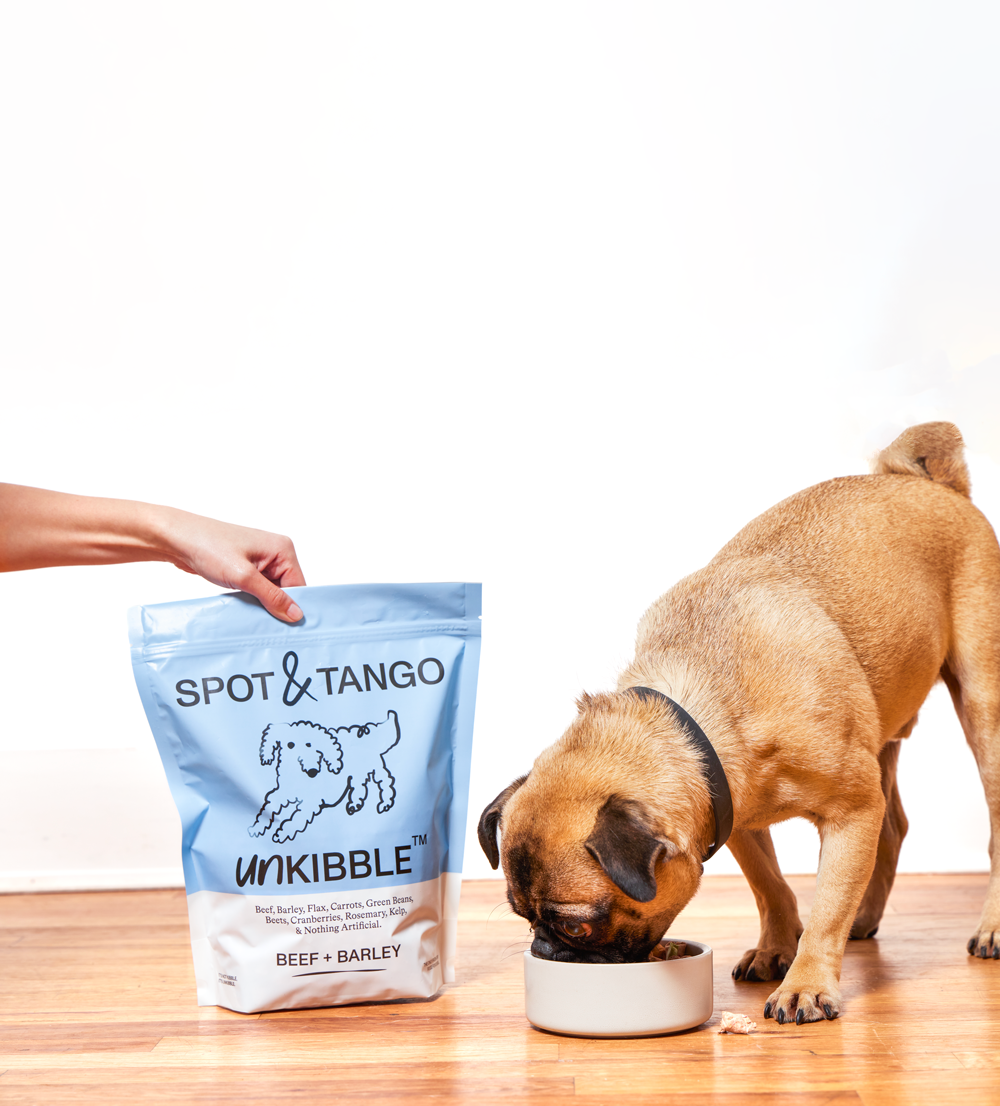
Spot & Tango
9.1Vet-formulated fresh trays and dehydrated UnKibble, portioned to the individual dog.

Lemonade Pet Insurance
9.4The lowest premiums in the category, with claims paid in minutes rather than weeks.

YETI Boomer 4 Dog Bowl
8.518/8 stainless, non-slip ring, dishwasher-safe — the last bowl you buy.
Recommendations are chosen by the Dr Murphies veterinary review board. Some links are affiliate links and we may earn a commission; this never affects our scoring, and brands do not see our copy before publication.
Dr Rowan Kelly, BVSc, MVS
Surgery and rehabilitation