Cognition
Cognitive Dysfunction Syndrome: Canine Dementia
Canine cognitive dysfunction syndrome is the dog equivalent of Alzheimer's disease, driven by amyloid-beta plaque accumulation and vascular changes in the ageing brain, and it affects a substantial proportion of dogs over the age of eleven.
By Dr Mariana Oliveira, DVM, DACVN
21 February 2026
4 min read

Medically reviewed
Reviewed by Dr Mariana Oliveira, DVM, DACVN of the Dr Murphies Veterinary Review Board. Reviewed content is checked against current consensus guidance before publication.
Canine cognitive dysfunction syndrome is the dog equivalent of Alzheimer's disease, driven by amyloid-beta plaque accumulation and vascular changes in the ageing brain, and it affects a substantial proportion of dogs over the age of eleven. Recognising the pattern early allows treatment that can meaningfully slow progression.
The DISHA Framework for Recognising Decline
Amyloid-beta plaques accumulate in the canine cortex in a pattern strikingly similar to human Alzheimer's disease, disrupting neurotransmission and reducing glucose metabolism in affected brain regions, which is measurable on functional imaging in research settings even before obvious symptoms appear.
Free radical damage and reduced blood flow compound the plaque burden over years, producing gradual disruption to memory, learned house-training and normal sleep-wake cycling, with the medial temporal structures governing spatial memory typically affected earliest.
What Happens in the Ageing Brain
- Disorientation, such as getting stuck behind furniture or staring blankly at walls
- Altered interactions, including reduced greeting behaviour or increased clinginess
- Sleep-wake cycle reversal, with night pacing and daytime sleeping
- House-training lapses in a previously reliable dog
- Reduced activity or, conversely, new repetitive pacing and vocalising
Score each DISHA category, disorientation, interaction, sleep, house-training and activity, on a simple frequency scale, since this structured record helps a veterinarian track whether an intervention is genuinely slowing decline.
Distinguishing Dementia From Pain or Sensory Loss
Cognitive dysfunction is a diagnosis of exclusion, so bloodwork, urinalysis and often blood pressure measurement are used to rule out kidney disease, diabetes, hypothyroidism or hypertension, each of which can independently mimic or worsen apparent cognitive decline.
Where available, referral for advanced imaging can identify brain tumours or vascular events that present similarly, particularly in cases of sudden rather than gradual onset, since dementia itself typically progresses over many months.
Dietary and Pharmacological Options
No treatment reverses established cognitive dysfunction, but a combination of diet, medication and environmental enrichment can slow progression and meaningfully improve quality of life for the remaining months or years.
- Feed a diet enriched with medium-chain triglycerides to supply alternative brain fuel
- Discuss selegiline with your vet, a monoamine oxidase inhibitor licensed for canine dementia
- Supplement antioxidants such as vitamin E and omega-3 fatty acids under veterinary guidance
- Maintain consistent daily routine and gentle mental enrichment to support existing pathways
Adapting the Home for a Declining Dog
Keep furniture layout and feeding locations consistent, since spatial memory is often the first casualty of cognitive decline, and use nightlights to reduce disorientation-related distress during night waking episodes.
Short, low-frustration training sessions and food puzzle toys maintain cognitive engagement without overwhelming a declining dog, and many owners find gentle sniffing walks more valuable than structured exercise as the disease advances.
When to seek help urgently
- Sudden collapse, seizures or acute disorientation, which suggest a different neurological cause
- Complete loss of appetite or inability to find food and water bowls
- Signs of pain such as yelping or reluctance to move alongside behaviour changes
- Rapid decline over days rather than months, which is atypical for pure dementia
Because several treatable conditions can mimic dementia, have your own veterinarian confirm the diagnosis with appropriate testing before starting any supplement or medication regimen.
Vet-recommended
Products our review board rates for this

Lemonade Pet Insurance
9.4The lowest premiums in the category, with claims paid in minutes rather than weeks.
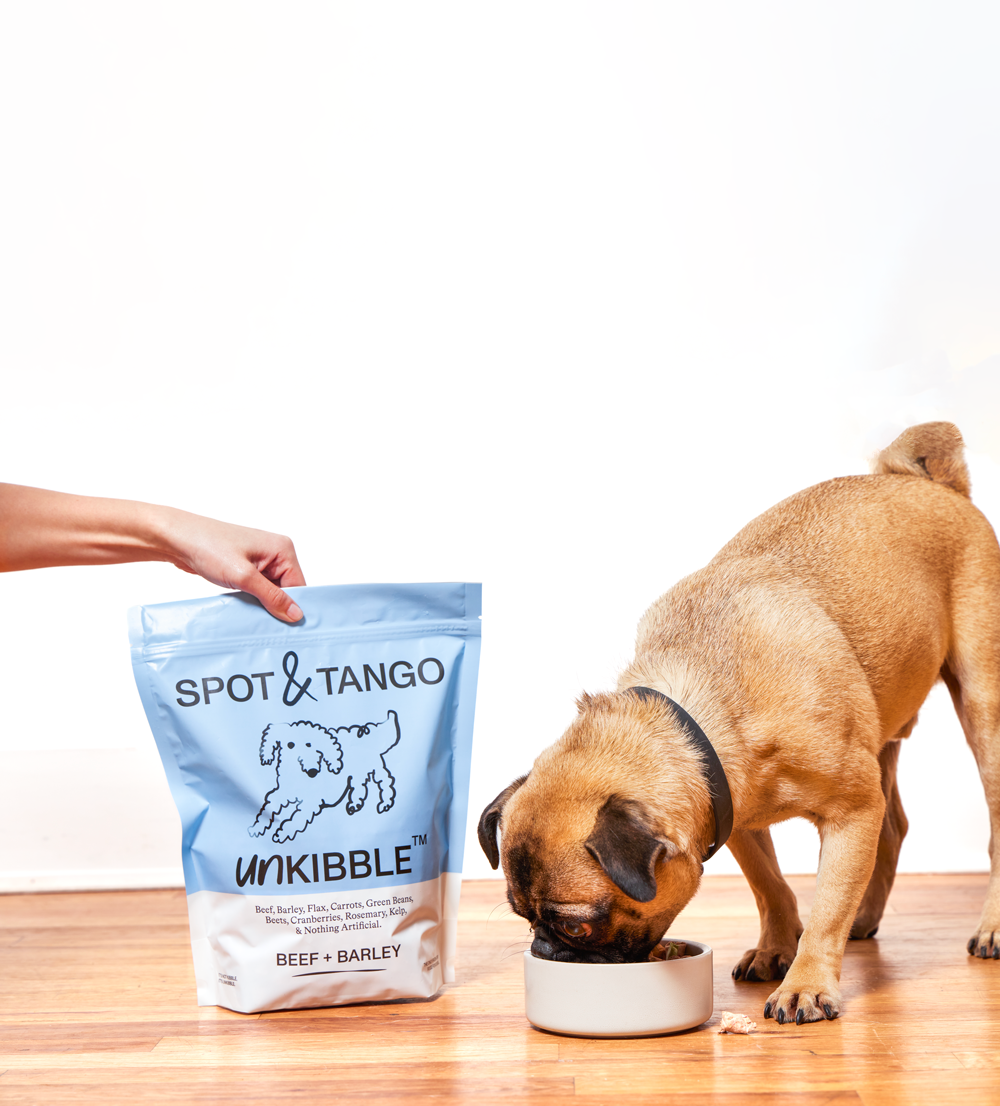
Spot & Tango
9.1Vet-formulated fresh trays and dehydrated UnKibble, portioned to the individual dog.
Dial A Vet
9.0A global team of 250+ vets and vet techs on Zoom in under fifteen minutes, flat fee.
Recommendations are chosen by the Dr Murphies veterinary review board. Some links are affiliate links and we may earn a commission; this never affects our scoring, and brands do not see our copy before publication.
Dr Mariana Oliveira, DVM, DACVN
Veterinary nutritionist