Anxiety
Separation Anxiety: A Six-Week Desensitisation Plan
Separation-related distress affects an estimated one in five dogs and is driven by a genuine panic response, not spite or poor manners.
By Dr Mariana Oliveira, DVM, DACVN
1 March 2026
4 min read

Medically reviewed
Reviewed by Dr Noor Haddad, DVM, DACVD of the Dr Murphies Veterinary Review Board. Reviewed content is checked against current consensus guidance before publication.
Separation-related distress affects an estimated one in five dogs and is driven by a genuine panic response, not spite or poor manners. A structured six-week desensitisation plan, built on absence thresholds a dog can tolerate without distress, retrains the nervous system rather than papering over symptoms with punishment.
What Panic Looks Like at the Door
True separation anxiety is a hyperarousal of the amygdala triggered by predictive departure cues such as picking up keys or putting on shoes. Cortisol rises before the owner has even left, meaning punishment on return only teaches the dog to fear the owner's homecoming, not the behaviour itself.
Desensitisation works by pairing departure cues with absences too brief to trigger panic, gradually extending duration while keeping the dog under its individual distress threshold. Each successful rep lowers baseline arousal, similar in principle to graded exposure therapy used in human anxiety treatment.
Why Punishment Backfires
- Vocalising, scratching at doors or destructive chewing within minutes of departure
- Salivation, panting or trembling starting as soon as keys are picked up
- Toileting indoors despite reliable house-training when left alone
- Escape attempts through windows, crates or door frames causing injury
- Following the owner room to room and distress when a door briefly closes
Video the dog for the first 20 minutes after leaving, since the panic response usually peaks early rather than building slowly, and this footage is the single most useful diagnostic tool for a behaviourist assessing severity.
Building a Departure Ladder
A veterinary behaviourist will rule out cognitive dysfunction, urinary tract disease and orthopaedic pain before confirming separation anxiety, since each can produce similar indoor accidents or restlessness that mimics anxiety.
Severity is graded from mild departure cue sensitivity to full panic within seconds, and this grading determines whether desensitisation alone is sufficient or whether pharmacological support is needed to allow the dog to learn at all.
Week-by-Week Threshold Work
Treatment centres on rebuilding tolerance to absence in increments small enough that the dog never rehearses panic, alongside decoupling pre-departure cues from the actual event of leaving.
- Practise picking up keys and sitting back down, dozens of times daily, without leaving
- Begin absences at durations under the dog's threshold, often as short as three seconds
- Increase duration by small increments only after several calm repetitions at each step
- Use a settle mat and independence exercises while the owner is home but inactive
When Medication Should Join the Plan
Fit an indoor camera so progress can be reviewed objectively rather than guessed at, and keep a log of absence duration against observed stress signals to guide the following day's targets.
Avoid long absences during the six-week programme wherever possible; a dog walker or doggy daycare can cover unavoidable full-day gaps so genuine panic is not rehearsed while retraining is underway.
When to seek help urgently
- Self-injury from scratching, chewing or attempts to break through a door or window
- Panic that escalates despite four weeks of consistent, correctly staged desensitisation
- Sudden onset in an older dog, which warrants ruling out cognitive decline or pain
- Signs of heatstroke or exhaustion after prolonged frantic activity during an absence
This plan works fastest alongside a tailored assessment, so ask your own veterinarian or a veterinary behaviourist to confirm the diagnosis and rule out medical contributors before starting.
Vet-recommended
Products our review board rates for this

Lemonade Pet Insurance
9.4The lowest premiums in the category, with claims paid in minutes rather than weeks.
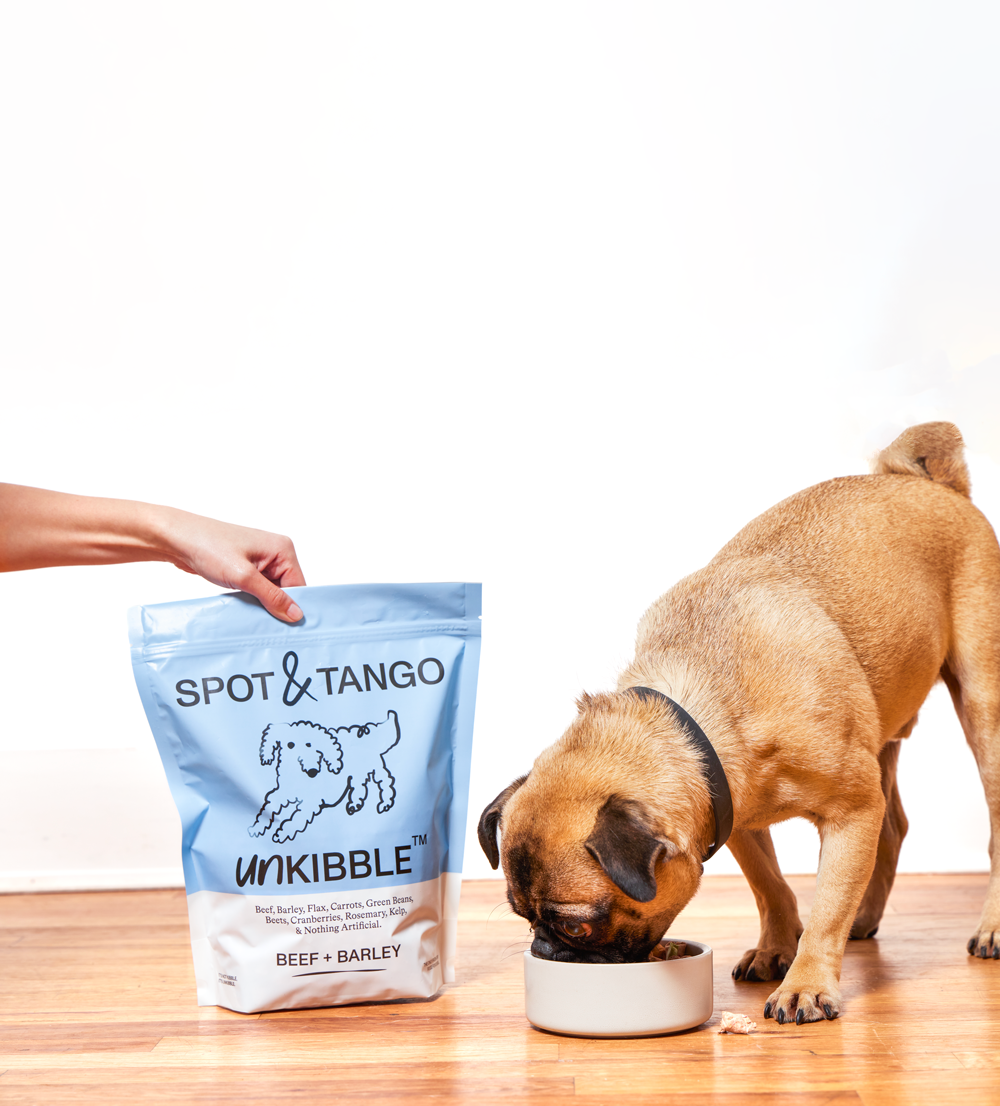
Spot & Tango
9.1Vet-formulated fresh trays and dehydrated UnKibble, portioned to the individual dog.
Dial A Vet
9.0A global team of 250+ vets and vet techs on Zoom in under fifteen minutes, flat fee.
Recommendations are chosen by the Dr Murphies veterinary review board. Some links are affiliate links and we may earn a commission; this never affects our scoring, and brands do not see our copy before publication.
Dr Mariana Oliveira, DVM, DACVN
Veterinary nutritionist