Anxiety
Noise Phobia and Storm Anxiety
Storm phobia is unusual among fears because it is triggered by a cluster of cues, including thunder, static electricity, darkening skies and falling barometric pressure, which is why affected dogs often become distressed before rain has even started.
By Dr Priya Raghunathan, BVMS
25 February 2026
4 min read

Medically reviewed
Reviewed by Dr Noor Haddad, DVM, DACVD of the Dr Murphies Veterinary Review Board. Reviewed content is checked against current consensus guidance before publication.
Storm phobia is unusual among fears because it is triggered by a cluster of cues, including thunder, static electricity, darkening skies and falling barometric pressure, which is why affected dogs often become distressed before rain has even started. Effective management addresses every sensory channel, not just the sound.
The Multi-Sensory Nature of Storm Fear
Dogs can detect barometric pressure drops and low-frequency infrasound well before a storm's audible thunder arrives, and some also react to the sensation of static charge building in their fur, which is why anti-static garments and mats help a genuine subset of phobic dogs, not merely as a placebo.
Repeated storm exposure without intervention tends to sensitise rather than habituate an anxious dog, meaning each subsequent storm often triggers a stronger response than the last, so early intervention in young dogs with mild reactivity has a materially better long-term outcome than waiting.
Static Electricity and Coat Sensation
- Pacing, panting and salivating that begins before any thunder is audible
- Hiding in bathrooms, showers or under furniture during storms
- Destructive escape attempts through doors, screens or fencing
- Trembling, drooling or dilated pupils that persist for hours afterward
- Refusal to eat, toilet or settle for the remainder of a stormy day
Keep a log correlating episodes with weather app pressure readings, since dogs reacting well before rainfall or thunder are responding to pressure change and this shapes whether static-reducing measures will help.
Building a Safe Den
Diagnosis is largely based on history and a clear temporal link to weather events, though a veterinary behaviourist will also screen for generalised anxiety or noise sensitivity extending beyond storms, since treatment differs for a broader noise phobia.
Severity scoring, from mild pacing to full panic with self-injury, guides whether behavioural management alone is appropriate or whether a situational anxiolytic is needed for humane control during the storm season.
Sound Desensitisation Done Correctly
Management blends environmental modification, desensitisation to recorded storm sounds during calm periods, and situational medication reserved for actual weather events rather than daily dosing.
- Create a consistent den, such as a covered crate in an interior windowless room
- Fit a snugly wrapped anti-static garment before pressure changes are forecast
- Play recorded thunder at low volume paired with treats during calm weather
- Use a vet-prescribed situational medication ahead of forecast storms, not after onset
Situational Medication Options
Check weather forecasts each evening during storm season and administer any situational medication early, since most anxiolytics used for storms need to be on board before the pressure drop begins, not once panic has already set in.
Long-term desensitisation to recorded thunder, run in short sessions well outside storm season, produces the most durable improvement, while purely reactive management during live storms only ever contains symptoms rather than reducing the underlying fear.
When to seek help urgently
- Escape through a window, door or fence during a storm, risking road traffic injury
- Self-injury from frantic scratching, chewing or crate-breaking during panic
- Complete refusal to eat or drink for more than 24 hours after a storm
- Heart rate or breathing that remains markedly elevated long after the storm passes
Because storm phobia tends to worsen without treatment, discuss a situational or daily medication plan with your own veterinarian alongside any desensitisation programme.
Vet-recommended
Products our review board rates for this

Lemonade Pet Insurance
9.4The lowest premiums in the category, with claims paid in minutes rather than weeks.
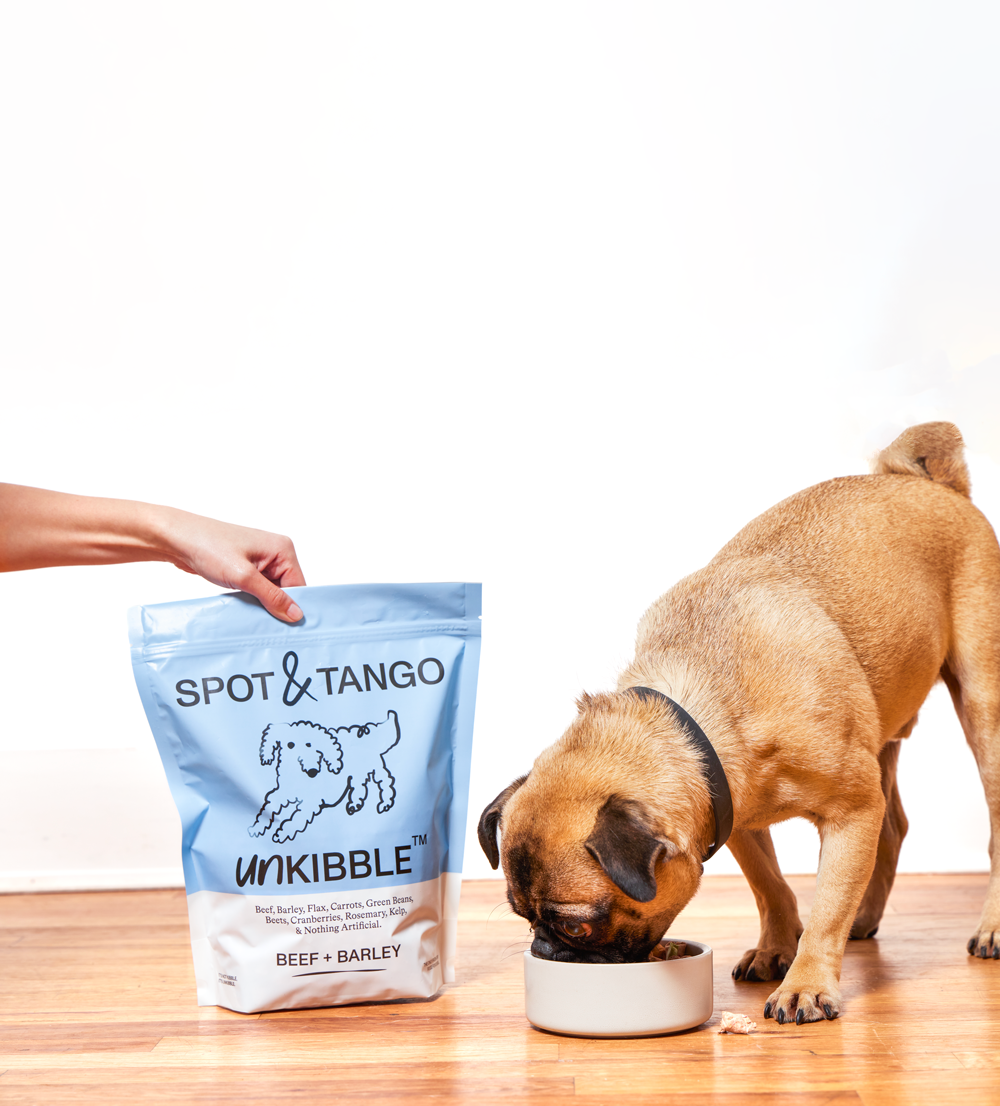
Spot & Tango
9.1Vet-formulated fresh trays and dehydrated UnKibble, portioned to the individual dog.
Dial A Vet
9.0A global team of 250+ vets and vet techs on Zoom in under fifteen minutes, flat fee.
Recommendations are chosen by the Dr Murphies veterinary review board. Some links are affiliate links and we may earn a commission; this never affects our scoring, and brands do not see our copy before publication.
Dr Priya Raghunathan, BVMS
Emergency and critical care clinician