Training
Crate Training Without Distress
A crate can function as a genuine safe haven or as a source of chronic distress, and the difference lies entirely in how gradually it is introduced.
By Dr Samuel Adeyemi, DVM, DACVIM
20 May 2026
4 min read

Medically reviewed
Reviewed by Dr Noor Haddad, DVM, DACVD of the Dr Murphies Veterinary Review Board. Reviewed content is checked against current consensus guidance before publication.
A crate can function as a genuine safe haven or as a source of chronic distress, and the difference lies entirely in how gradually it is introduced. Done properly, crate training exploits a dog's natural preference for a den-like enclosed space rather than imposing confinement on an unwilling animal.
Den Instinct Versus Forced Confinement
Wild canids and their domestic descendants show a natural preference for small, enclosed resting spaces that offer a sense of security, which is the biological basis for crate training, but this preference only manifests when the crate has not first been associated with isolation or punishment.
Rushing introduction, particularly closing the door before a dog is voluntarily entering and settling, creates a classically conditioned fear response to the crate itself, after which even brief closed-door periods can trigger panic, escape attempts and, in severe cases, tooth or nail damage.
The Graduated Introduction Sequence
- Voluntary entry and relaxed lying down as evidence of positive crate association
- Panting, drooling or pacing when the crate door is closed, indicating distress
- Scratching, chewing or attempts to force the door open from inside
- Refusal to enter the crate even for high-value treats or meals
- Toileting inside the crate despite otherwise reliable house-training
Never close the crate door until the dog is entering voluntarily and settling for food or a chew with the door open, since skipping this stage is the most common cause of crate-related panic in an otherwise healthy dog.
Signs the Process Is Moving Too Fast
There is no medical diagnosis involved in crate training itself, but a dog showing acute panic at confinement should be assessed for a broader separation anxiety or generalised anxiety disorder, since crate distress is often a symptom rather than the primary problem.
A veterinary behaviourist can help distinguish simple under-conditioning, which responds to slower reintroduction, from a genuine phobia requiring a different management approach entirely, sometimes without a crate at all.
Crate Use for Puppies Versus Anxious Adults
The graduated sequence moves from feeding meals near an open crate, to feeding inside it, to brief door closures while the owner remains present, only extending duration and independence once each stage is calm.
- Feed all meals inside the crate with the door left open for the first week
- Add short door closures of a few seconds while remaining seated beside the crate
- Extend duration gradually only once the dog settles without vocalising or scratching
- Practise departures from the room only after in-room closed-door settling is reliable
When a Crate Is the Wrong Tool
Place the crate in a quiet but not isolated corner of a frequently used room, cover three sides with a light blanket to increase den-like security, and always leave a chew toy or stuffed food item available during confinement.
Never use the crate as punishment or for extended confinement beyond what is age-appropriate; puppies under six months generally should not be crated longer than three to four hours during the day.
When to seek help urgently
- Panic, self-injury or bloodied paws or gums from attempts to escape the crate
- Complete refusal to enter despite two weeks of correctly staged, gradual introduction
- Vocalising that escalates rather than settles within the first ten minutes of closure
- Any sign the crate is being used for confinement exceeding the dog's bladder capacity
If crate introduction stalls or triggers panic despite a gradual approach, consult your own veterinarian or a behaviourist, since an alternative confinement strategy may suit that particular dog better.
Vet-recommended
Products our review board rates for this
Lemonade Pet Insurance
9.4The lowest premiums in the category, with claims paid in minutes rather than weeks.
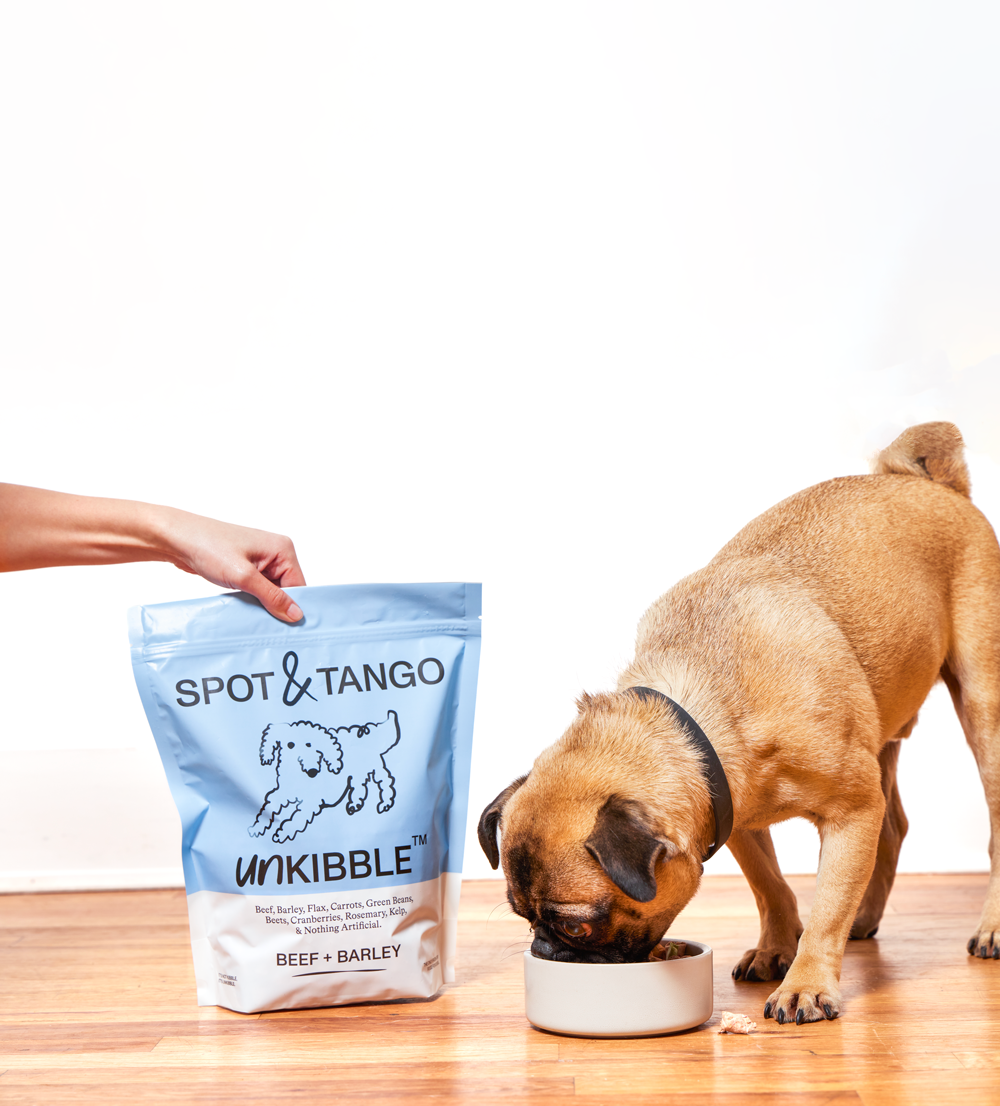
Spot & Tango
9.1Vet-formulated fresh trays and dehydrated UnKibble, portioned to the individual dog.
Dial A Vet
9.0A global team of 250+ vets and vet techs on Zoom in under fifteen minutes, flat fee.
Recommendations are chosen by the Dr Murphies veterinary review board. Some links are affiliate links and we may earn a commission; this never affects our scoring, and brands do not see our copy before publication.
Dr Samuel Adeyemi, DVM, DACVIM
Internal medicine specialist