Enrichment
Enrichment: Building a Nose-Work Routine
Scent work taps into a sensory system dogs rely on far more than humans typically appreciate, with an olfactory bulb proportionally many times larger than ours, and structured nose work sessions provide mental fatigue that often settles a restless or anxious dog more effectively than additional physical exercise alone.
By Dr Priya Raghunathan, BVMS
11 May 2026
4 min read
Medically reviewed
Reviewed by Dr Samuel Adeyemi, DVM, DACVIM of the Dr Murphies Veterinary Review Board. Reviewed content is checked against current consensus guidance before publication.
Scent work taps into a sensory system dogs rely on far more than humans typically appreciate, with an olfactory bulb proportionally many times larger than ours, and structured nose work sessions provide mental fatigue that often settles a restless or anxious dog more effectively than additional physical exercise alone.
Why Scent Work Tires the Brain, Not Just the Legs
Dogs possess up to several hundred million olfactory receptors compared with roughly six million in humans, and processing scent information engages a disproportionately large area of the canine brain, meaning even short scent-based sessions produce a measurable mental fatigue that can outlast the physical tiredness from a longer walk.
Structured search work also engages the dog's natural seeking system, a dopamine-driven motivational state distinct from simple food reward, which is part of why nose work is particularly effective for dogs that struggle to settle after standard exercise, since it satisfies an intrinsic drive rather than merely expending energy.
Building a Progression From Simple Searches to Formal Scent Work
- A dog that remains restless or reactive despite adequate physical exercise
- High interest in sniffing during walks that owners often inadvertently discourage
- Improved calm and settling after short scent-based sessions compared with fetch
- Boredom-related destructive behaviour that reduces with mental enrichment
- Reluctance or overexcitement that eases once search difficulty is correctly matched
If a dog disengages quickly or becomes frustrated during a search, the difficulty level is usually too high too soon; success at each stage should look easy before increasing distance, height or scent concealment.
Choosing Scents and Search Areas Safely
There is no medical diagnosis associated with introducing nose work, though dogs with significant anxiety or reactivity benefit from an initial veterinary behaviourist consultation to integrate scent work appropriately alongside any existing treatment plan rather than as a substitute for it.
Dogs with significant nasal or respiratory disease, such as brachycephalic airway syndrome, may tire or overheat faster during vigorous searching and should have search sessions kept shorter and cooler with veterinary input on appropriate limits.
Nose Work for Anxious or Reactive Dogs Specifically
A simple progression starts with box searches at home before introducing target scents, then moves outdoors to vehicle and area searches, always keeping each new stage easy enough to guarantee an early, confidence-building success.
- Begin with several cardboard boxes, hiding treats in only one for easy success
- Introduce a target scent such as birch on a cotton swab paired with reward
- Progress to searching furniture legs and low hides before raising search height
- Move to outdoor vehicle or exterior searches only once indoor searches are reliable
Avoiding Common Frustration Traps
Rotate search locations and hide difficulty regularly so the exercise remains mentally stimulating rather than becoming a memorised routine, and keep individual sessions to around ten minutes, since scent work is genuinely tiring in short bursts.
For anxious or reactive dogs, scent work can be practised in a secure, low-distraction space as a confidence-building activity entirely separate from any triggering environment, making it a useful complementary tool alongside a broader desensitisation plan.
When to seek help urgently
- Overheating or excessive panting during vigorous outdoor searching in warm weather
- Ingestion of a hidden scent article or its container, requiring veterinary assessment
- Marked frustration or shutdown suggesting the difficulty progression was too rapid
- Nasal discharge or sneezing developing after search sessions, warranting a vet check
If a dog has any respiratory, nasal or significant anxiety condition, check with your own veterinarian before starting a structured nose work programme to tailor intensity appropriately.
Vet-recommended
Products our review board rates for this

Lemonade Pet Insurance
9.4The lowest premiums in the category, with claims paid in minutes rather than weeks.
Spot & Tango
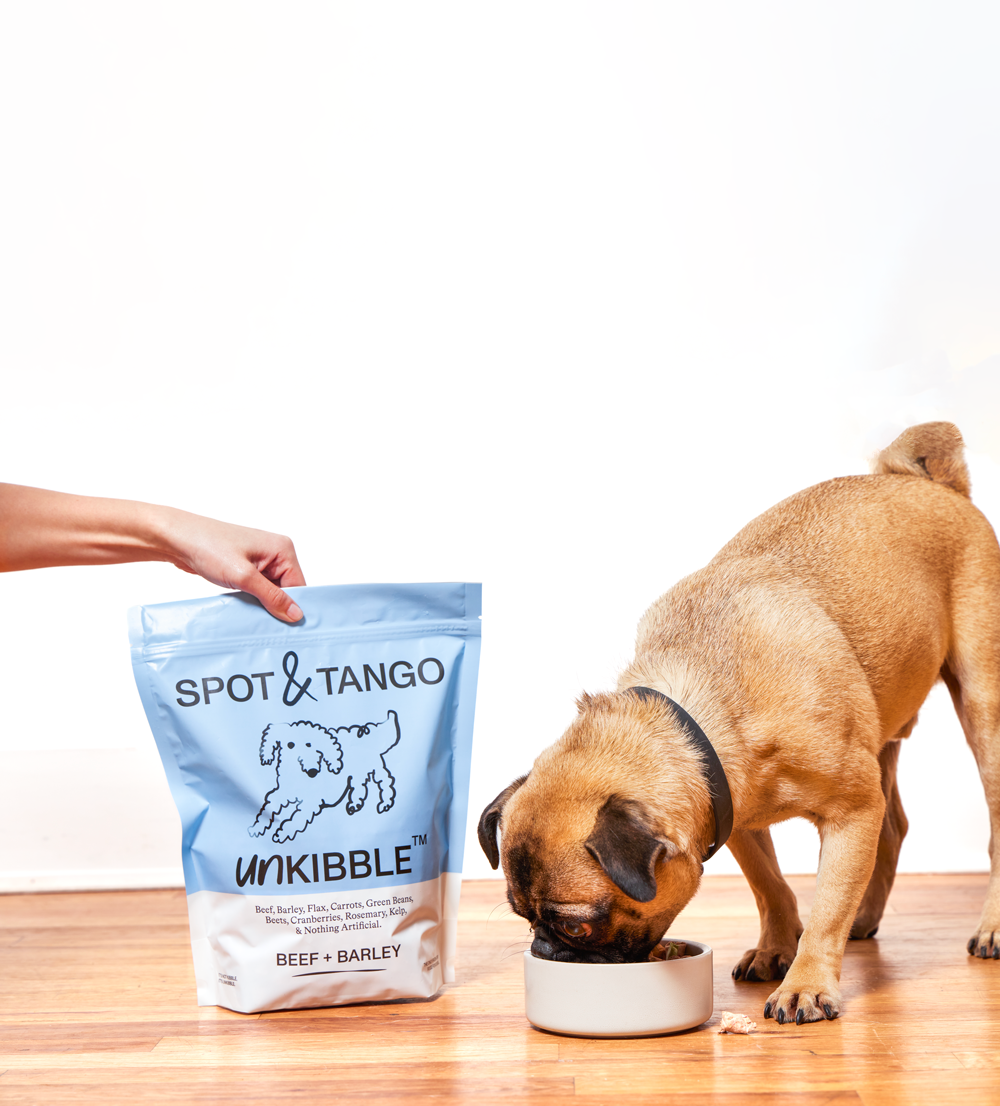
9.1Vet-formulated fresh trays and dehydrated UnKibble, portioned to the individual dog.
Dial A Vet
9.0A global team of 250+ vets and vet techs on Zoom in under fifteen minutes, flat fee.
Recommendations are chosen by the Dr Murphies veterinary review board. Some links are affiliate links and we may earn a commission; this never affects our scoring, and brands do not see our copy before publication.
Dr Priya Raghunathan, BVMS
Emergency and critical care clinician