Infectious Disease
Feline Herpesvirus and the Perpetually Snuffly Cat
Feline herpesvirus-1 (FHV-1) infects the vast majority of cats at some point, usually in kittenhood, and then establishes a lifelong latent infection in nerve tissue that can reactivate during stress.
By Dr Priya Raghunathan, BVMS
9 June 2026
4 min read
Medically reviewed
Reviewed by Dr Noor Haddad, DVM, DACVD of the Dr Murphies Veterinary Review Board. Reviewed content is checked against current consensus guidance before publication.
Feline herpesvirus-1 (FHV-1) infects the vast majority of cats at some point, usually in kittenhood, and then establishes a lifelong latent infection in nerve tissue that can reactivate during stress. This is why some cats seem permanently prone to sneezing fits, weepy eyes and the odd bout of conjunctivitis for their entire lives.
A Virus That Never Truly Leaves
After initial infection, FHV-1 travels along sensory nerves to the trigeminal ganglion, where it lies dormant inside nerve cells, invisible to the immune system and untouched by any current antiviral. Almost all recovered cats carry this latent virus for life, whether or not they ever show signs again.
Physiological stress — a new household member, boarding, illness, or even a change in routine — raises cortisol levels that can suppress local immune surveillance enough for the dormant virus to reactivate. It then travels back down the nerve to the eyes, nose and mouth, producing a new flare-up of the original symptoms.
Stress, Cortisol and Viral Reactivation
- Repeated bouts of sneezing, often in short, rapid bursts
- Clear to yellowish discharge from one or both eyes
- Corneal ulcers, sometimes with a distinctive branching dendritic pattern
- Nasal congestion with reduced sense of smell and appetite
- Recurrent conjunctivitis flaring during periods of stress or illness
Flare-ups often coincide suspiciously with a recent stressful event such as a house move or new pet, and recognising this pattern helps owners anticipate and sometimes pre-empt episodes with earlier veterinary support.
Distinguishing Herpesvirus From Calicivirus and Bacterial Infection
Diagnosis is usually clinical, based on the characteristic history of recurrent sneezing and ocular discharge in a cat with a known or presumed history of prior infection. PCR testing of eye or nasal swabs can confirm active viral shedding, though a positive result does not distinguish current disease from harmless subclinical shedding.
Fluorescein staining of the cornea is important during any ocular flare to detect ulcers, since dendritic ulceration is strongly suggestive of herpesvirus and changes treatment choice, particularly ruling out corticosteroid-containing eye preparations which can worsen herpetic ulcers dramatically.
Managing Flare-Ups With Lysine and Antivirals
There is no cure for the latent infection itself, so treatment during flares focuses on symptom control and reducing the frequency and severity of reactivation.
- Oral famciclovir, an antiviral effective against active FHV-1 flares
- L-lysine supplementation, used historically though evidence for benefit is now considered limited
- Topical antiviral or antibiotic eye drops for corneal ulceration or secondary bacterial conjunctivitis
- Nebulisation or steam therapy to loosen nasal congestion during acute flares
Reducing Stress to Reduce Reactivation
Reducing environmental and social stress is the single most effective long-term strategy: consistent routines, adequate hiding spaces, feliway pheromone diffusers and gradual introductions to new pets all lower the frequency of reactivation episodes over a cat's lifetime.
Cats with chronic nasal scarring from repeated severe flares in kittenhood may have permanently reduced airflow and a lifelong nasal rattle even when the virus is dormant; this is structural damage rather than active infection and does not need ongoing antiviral treatment.
When to seek help urgently
- A corneal ulcer that appears cloudy, deep or does not improve within 48 hours of treatment
- Complete loss of appetite from an inability to smell food
- Discharge that turns thick, green or foul-smelling, suggesting secondary bacterial infection
- Squinting and pawing at the eye, suggesting significant ocular pain
Every cat's flare pattern and severity differs, so let your vet confirm any suspected ulcer with fluorescein staining before using any eye medication, since the wrong product can make herpetic ulcers considerably worse.
Vet-recommended
Products our review board rates for this
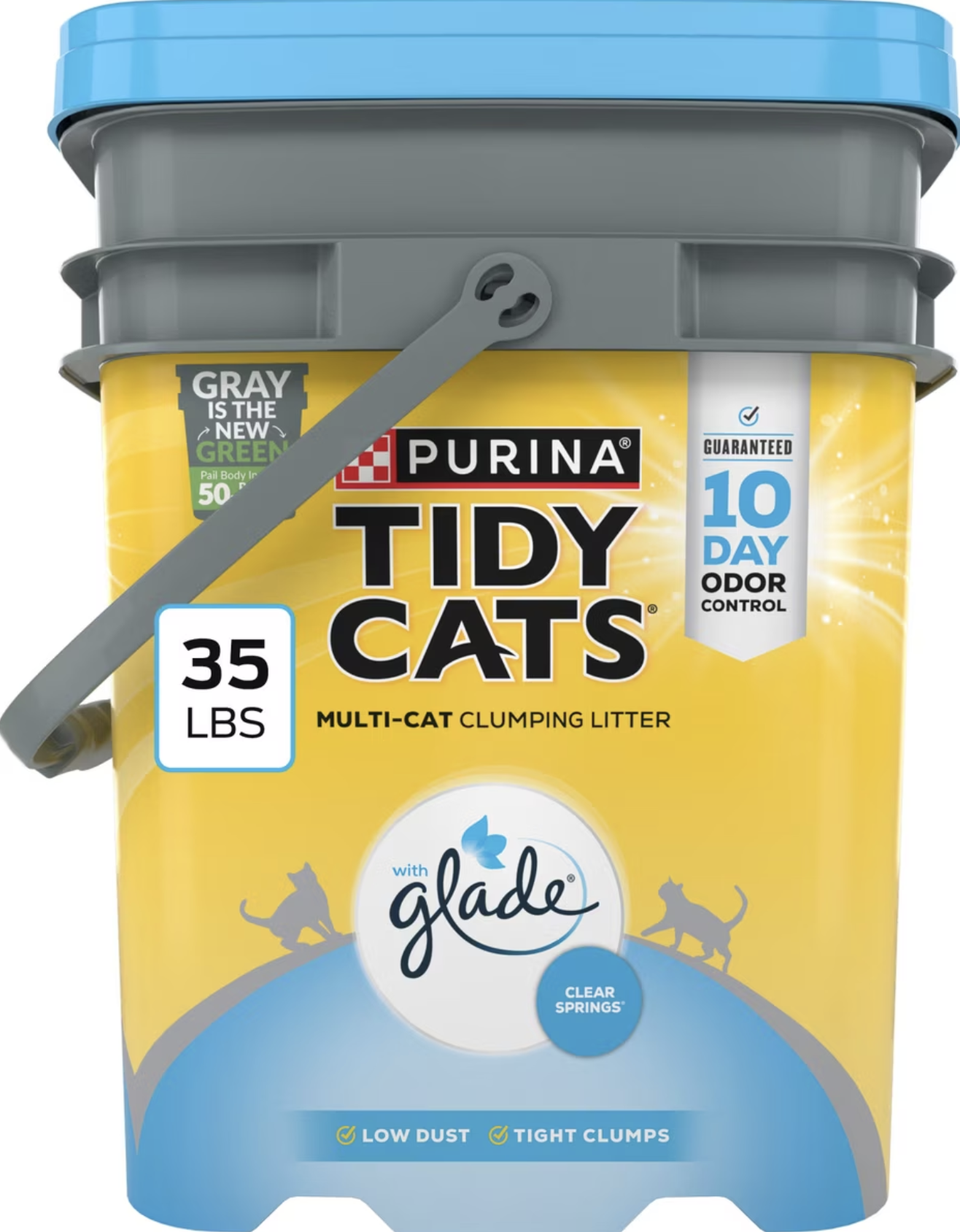
Tidy Cats Glade Clear Springs
7.9Tight clumps, low dust and a ten-day odour guarantee in a 35-lb multi-cat pail.

Lemonade Pet Insurance
9.4The lowest premiums in the category, with claims paid in minutes rather than weeks.
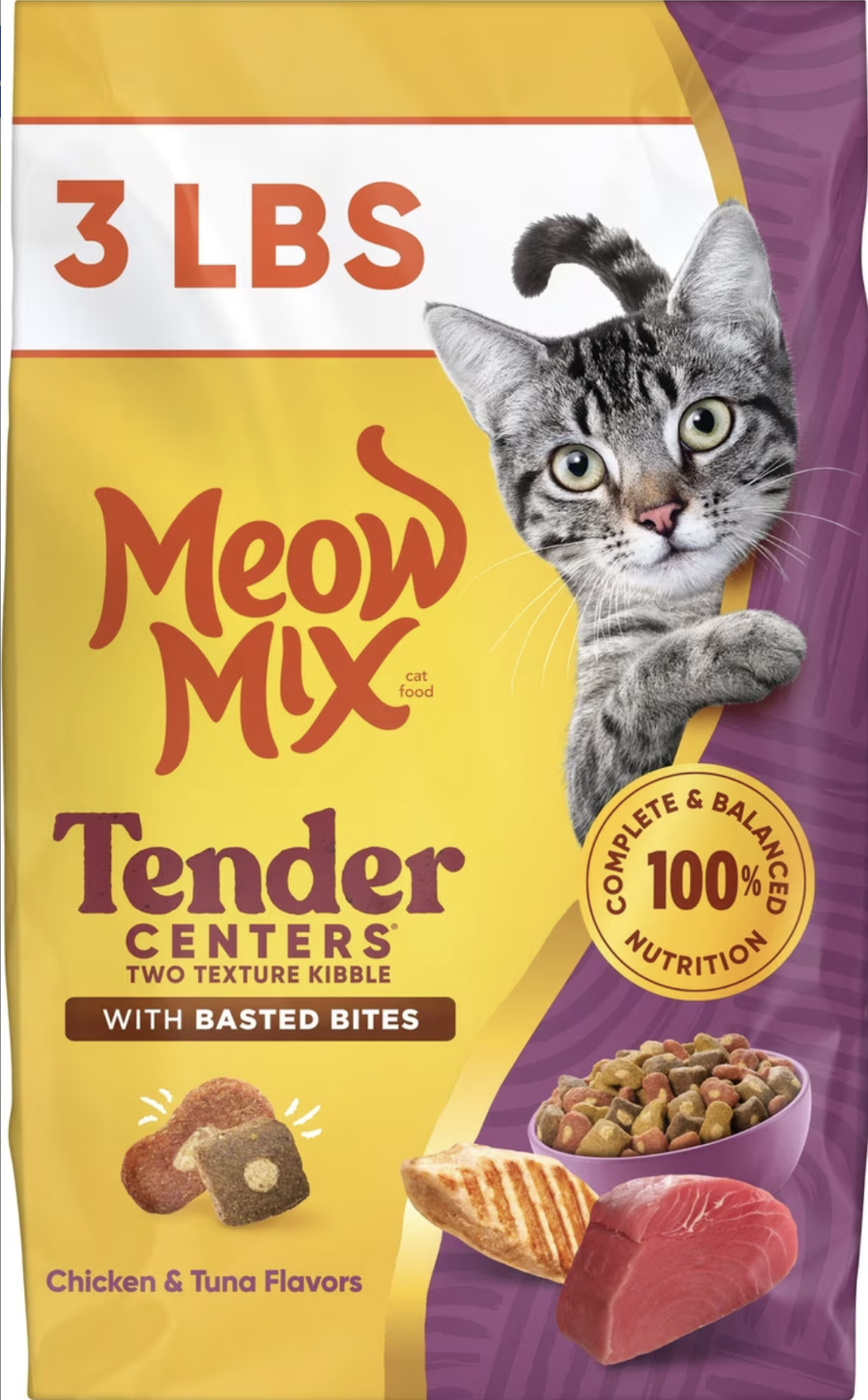
Meow Mix Tender Centers
6.4Crunchy outside, soft centre, chicken and tuna flavoured — the palatability play.
Recommendations are chosen by the Dr Murphies veterinary review board. Some links are affiliate links and we may earn a commission; this never affects our scoring, and brands do not see our copy before publication.
Dr Priya Raghunathan, BVMS
Emergency and critical care clinician