Neurology
Feline Hyperesthesia Syndrome: Rippling Skin, Real Distress
Feline hyperesthesia syndrome produces sudden episodes of skin rippling along the back, frantic tail chasing and dramatic vocalisation that can look alarming or even comical, but the underlying distress is genuine.
By Dr Mariana Oliveira, DVM, DACVN
3 June 2026
4 min read
Medically reviewed
Reviewed by Dr Eleanor Murphy, BVSc of the Dr Murphies Veterinary Review Board. Reviewed content is checked against current consensus guidance before publication.
Feline hyperesthesia syndrome produces sudden episodes of skin rippling along the back, frantic tail chasing and dramatic vocalisation that can look alarming or even comical, but the underlying distress is genuine. It remains poorly understood, sitting at the crossroads of neurology, dermatology and behavioural medicine, and diagnosis is largely one of exclusion.
A Poorly Understood Neurological-Behavioural Overlap
The exact cause of feline hyperesthesia remains unclear, but leading theories point to either a partial seizure disorder originating in the brain, a compulsive behavioural disorder amplified by stress, or heightened sensitivity in the skin and underlying muscle along the spine, possibly linked to myopathy. Different cats likely represent different underlying mechanisms presenting with the same outward appearance.
During an episode, the skin along the lower back and flank visibly ripples and twitches, often triggered by a light touch to that same area, suggesting genuine hypersensitivity of the local nerve pathways rather than simple attention-seeking behaviour.
What an Episode Actually Looks Like
- Sudden rippling or rolling of the skin along the lower back
- Frantic self-directed biting or licking at the flank or tail base
- Dilated pupils and a wild-eyed expression during episodes
- Sudden bursts of running or tail chasing lasting seconds to minutes
- Loud vocalisation or growling that seems out of proportion to any visible trigger
Episodes are typically brief, lasting seconds to a couple of minutes, and the cat usually returns to completely normal behaviour immediately afterward, a pattern that helps distinguish it from an ongoing painful condition or prolonged seizure activity.
Ruling Out Skin, Spinal and Seizure Causes First
Diagnosis is one of exclusion, starting with a full dermatological work-up to rule out flea allergy, other allergic skin disease or dermatitis that could cause genuine itch-driven skin twitching. Spinal imaging or orthopaedic exam checks for underlying back pain or a lumbosacral disc problem that could refer pain to the same region.
If a neurological or seizure basis is suspected, particularly when episodes include disorientation or loss of awareness, an MRI and EEG through a veterinary neurologist can help distinguish partial seizure activity from a purely behavioural or dermatological presentation.
Treatment Options Across Three Specialties
Because the underlying mechanism differs between cats, treatment is tailored to whichever component — dermatological, neurological or behavioural — appears dominant.
- Strict flea control and an elimination diet if allergic skin disease is contributing
- Gabapentin or anticonvulsant medication where a seizure-like or neuropathic basis is suspected
- Fluoxetine or other anxiolytic medication for cats with a strong compulsive or stress-linked pattern
- Environmental enrichment and structured play to reduce redirected or frustration-driven episodes
Reducing Episode Frequency at Home
Keeping a diary of when episodes occur — time of day, recent handling, household changes — often reveals a pattern that points toward the dominant trigger, whether that is touch sensitivity, stress or a specific time of stimulation such as before feeding.
Avoiding punishment or restraint during an episode is important, since this can heighten distress and, in cats with a compulsive component, potentially worsen the pattern over time; instead, calmly removing triggers and allowing the episode to pass is generally recommended.
When to seek help urgently
- Episodes accompanied by apparent loss of consciousness or disorientation afterward
- Self-inflicted wounds from biting during an episode
- A marked increase in episode frequency or severity over a short period
- Signs of genuine pain on spinal palpation between episodes
Because feline hyperesthesia can stem from such different underlying causes, a structured veterinary work-up is needed to identify which body system is truly driving each individual cat's episodes before choosing a treatment path.
Vet-recommended
Products our review board rates for this
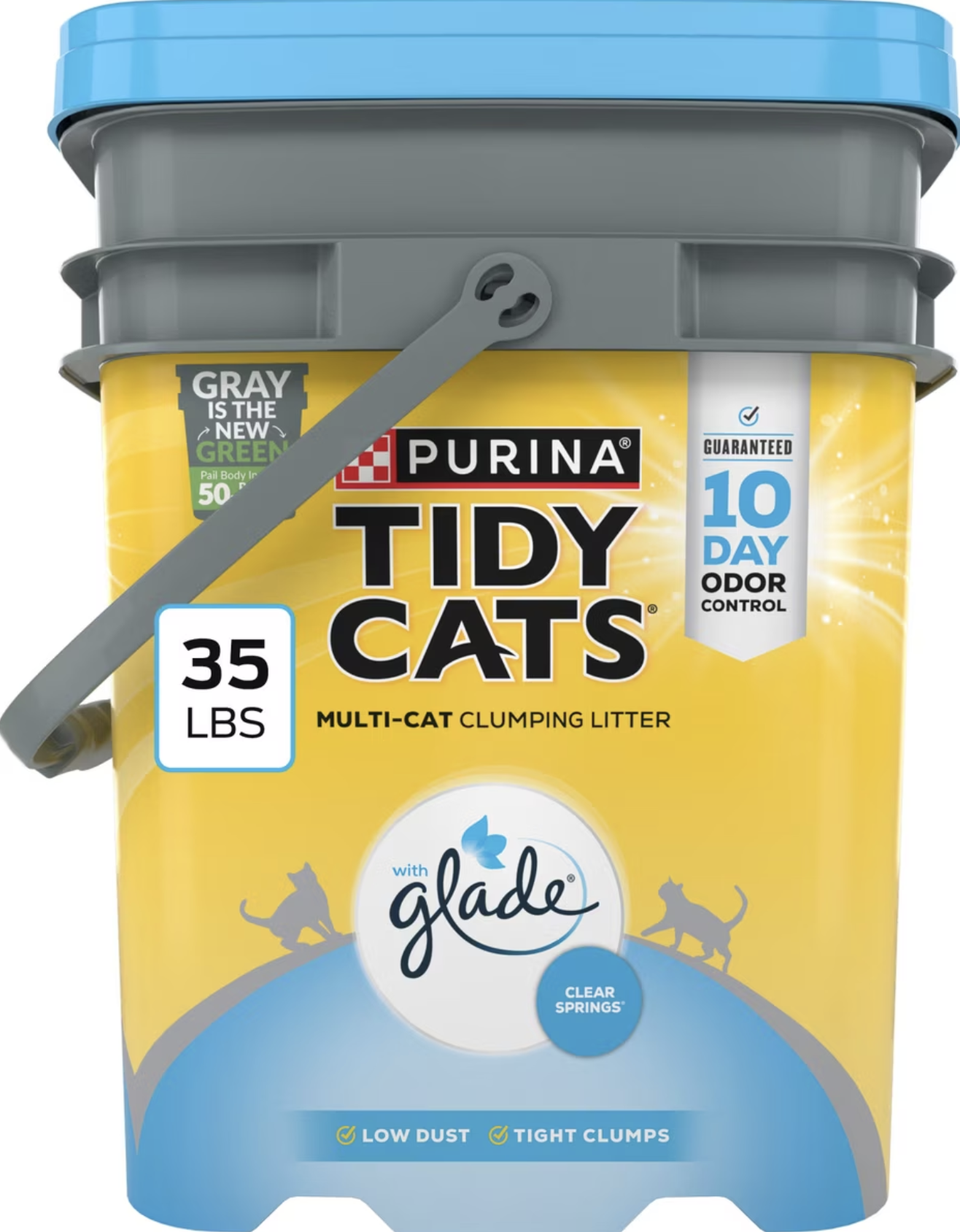
Tidy Cats Glade Clear Springs
7.9Tight clumps, low dust and a ten-day odour guarantee in a 35-lb multi-cat pail.

Lemonade Pet Insurance
9.4The lowest premiums in the category, with claims paid in minutes rather than weeks.
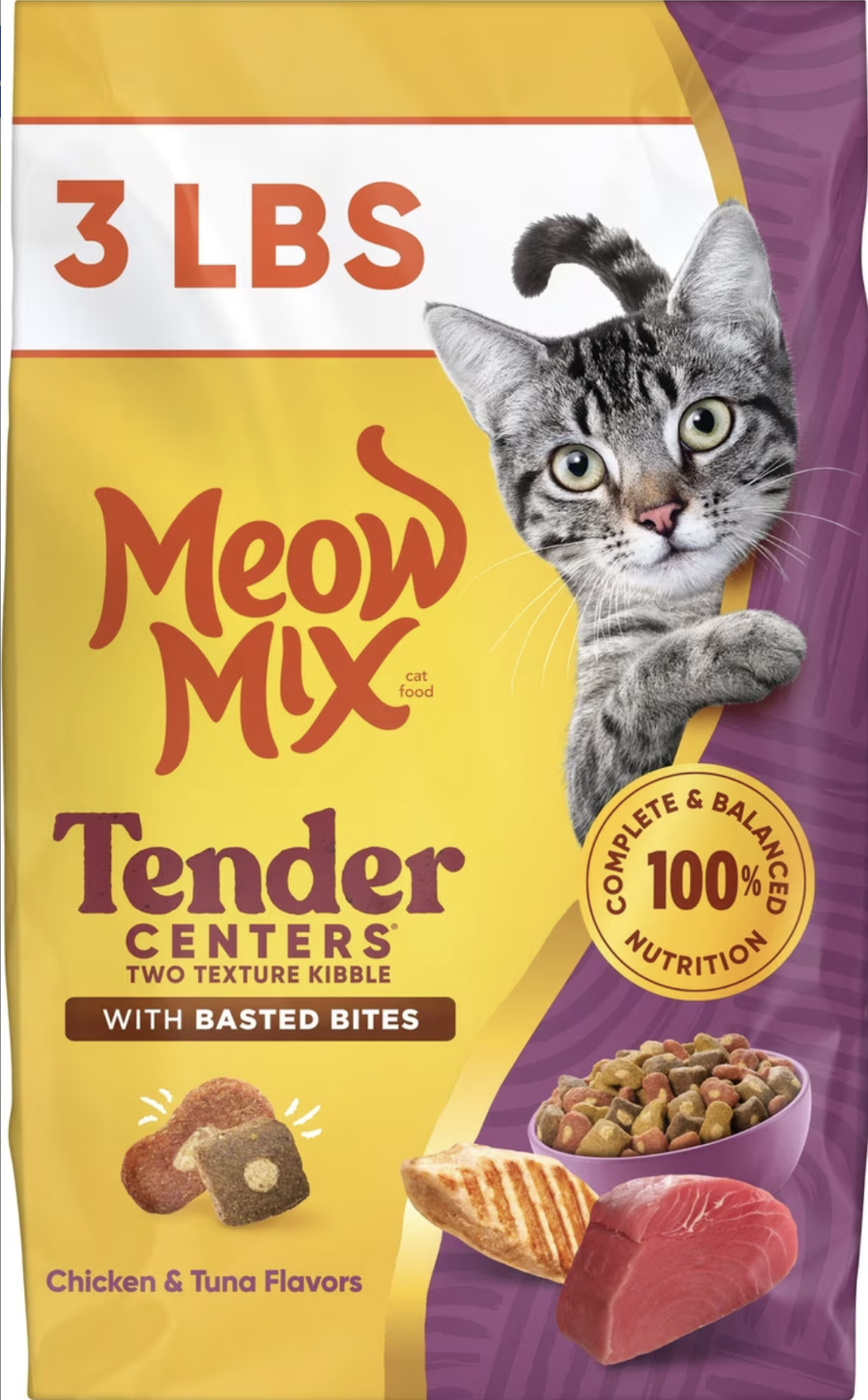
Meow Mix Tender Centers
6.4Crunchy outside, soft centre, chicken and tuna flavoured — the palatability play.
Recommendations are chosen by the Dr Murphies veterinary review board. Some links are affiliate links and we may earn a commission; this never affects our scoring, and brands do not see our copy before publication.
Dr Mariana Oliveira, DVM, DACVN
Veterinary nutritionist