Infectious Disease
Feline Infectious Peritonitis: A Once-Fatal Diagnosis, Rewritten
Feline infectious peritonitis (FIP) was, until recently, an almost universally fatal disease caused by a mutated coronavirus.
By Dr Ingrid Sorensen, BVSc, DipACVB
19 June 2026
4 min read

Medically reviewed
Reviewed by Dr Noor Haddad, DVM, DACVD of the Dr Murphies Veterinary Review Board. Reviewed content is checked against current consensus guidance before publication.
Feline infectious peritonitis (FIP) was, until recently, an almost universally fatal disease caused by a mutated coronavirus. The arrival of antiviral drugs targeting the virus's protease has transformed it from a hospice conversation into a genuinely treatable illness, provided it is caught and treated correctly.
From Harmless Coronavirus to Lethal Mutation
Feline enteric coronavirus is extremely common and usually causes nothing worse than mild diarrhoea in kittens. In a small proportion of infected cats, the virus mutates within the individual, gaining the ability to replicate inside macrophages rather than gut cells, and this mutant form is what causes FIP.
Once inside macrophages, the mutated virus triggers an intense, misdirected immune response called pyogranulomatous vasculitis, damaging blood vessel walls throughout the body. This causes either protein-rich fluid to leak into the abdomen or chest (wet FIP) or nodular granulomas to form in organs and the nervous system (dry FIP).
Wet Versus Dry Disease
- A persistent, unexplained fever that does not respond to antibiotics
- Progressive abdominal distension from fluid accumulation
- Yellowing of the gums or skin from jaundice
- Cloudy, inflamed eyes or sudden-onset neurological signs like wobbliness
- Weight loss and lethargy despite a previously healthy young cat
FIP disproportionately affects cats under two years old, especially those from multi-cat households, shelters or breeding catteries, and a fever unresponsive to antibiotics in a young cat should always raise suspicion.
The Diagnostic Puzzle
Diagnosis combines clinical signs with supportive tests: a high total protein with low albumin, an elevated globulin-to-albumin ratio, and, in wet FIP, straw-coloured, high-protein abdominal or chest fluid that clots on standing. PCR testing of the fluid for coronavirus RNA adds further confidence.
Because no single test is definitive on its own, vets build a case from bloodwork patterns, imaging and effusion analysis together, sometimes supported by immunostaining of a biopsy sample when the presentation is atypical, particularly for dry, neurological forms.
GS-441524 and the Antiviral Revolution
The introduction of the antiviral GS-441524 has changed FIP from a death sentence into a disease with strong recovery odds when treated for a full course.
- Daily oral or injectable GS-441524 for a minimum of 84 consecutive days
- Regular bloodwork through treatment to confirm normalising globulin and albumin levels
- Higher doses for neurological or ocular FIP, since the drug must cross the blood-brain barrier
- An observation period after stopping treatment to watch for relapse before declaring remission
Monitoring Through an 84-Day Course
Cats in mid-treatment often regain appetite and energy within one to two weeks of starting the antiviral, a dramatic turnaround from a disease that was fatal within weeks a few years ago. Weight and temperature should be tracked daily as simple markers of response.
After the 84-day course, a further 84-day observation period without treatment is used to confirm the cat remains in remission before it is considered cured, since relapses, though less common now, can still occur and prompt a second treatment course.
When to seek help urgently
- A fever above 39.5°C persisting more than 48 hours despite antibiotics
- Sudden onset of seizures, wobbliness or behaviour change
- Rapid abdominal swelling with laboured breathing
- Sudden blindness or visibly cloudy eyes
FIP treatment protocols and drug access still vary by country and require close veterinary supervision throughout the full course, so any suspected case should be worked up promptly with your own vet rather than delayed.
Vet-recommended
Products our review board rates for this
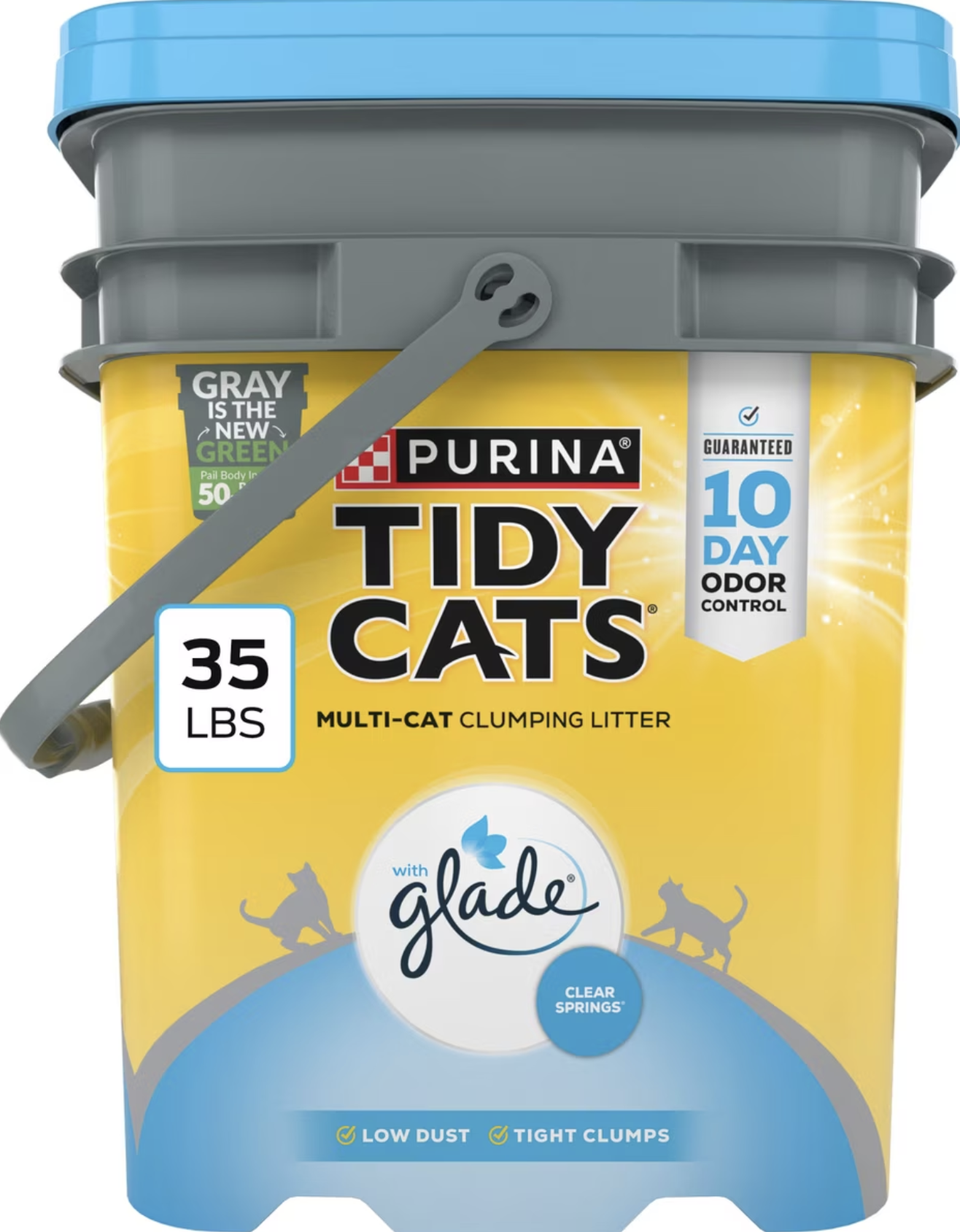
Tidy Cats Glade Clear Springs
7.9Tight clumps, low dust and a ten-day odour guarantee in a 35-lb multi-cat pail.

Lemonade Pet Insurance
9.4The lowest premiums in the category, with claims paid in minutes rather than weeks.
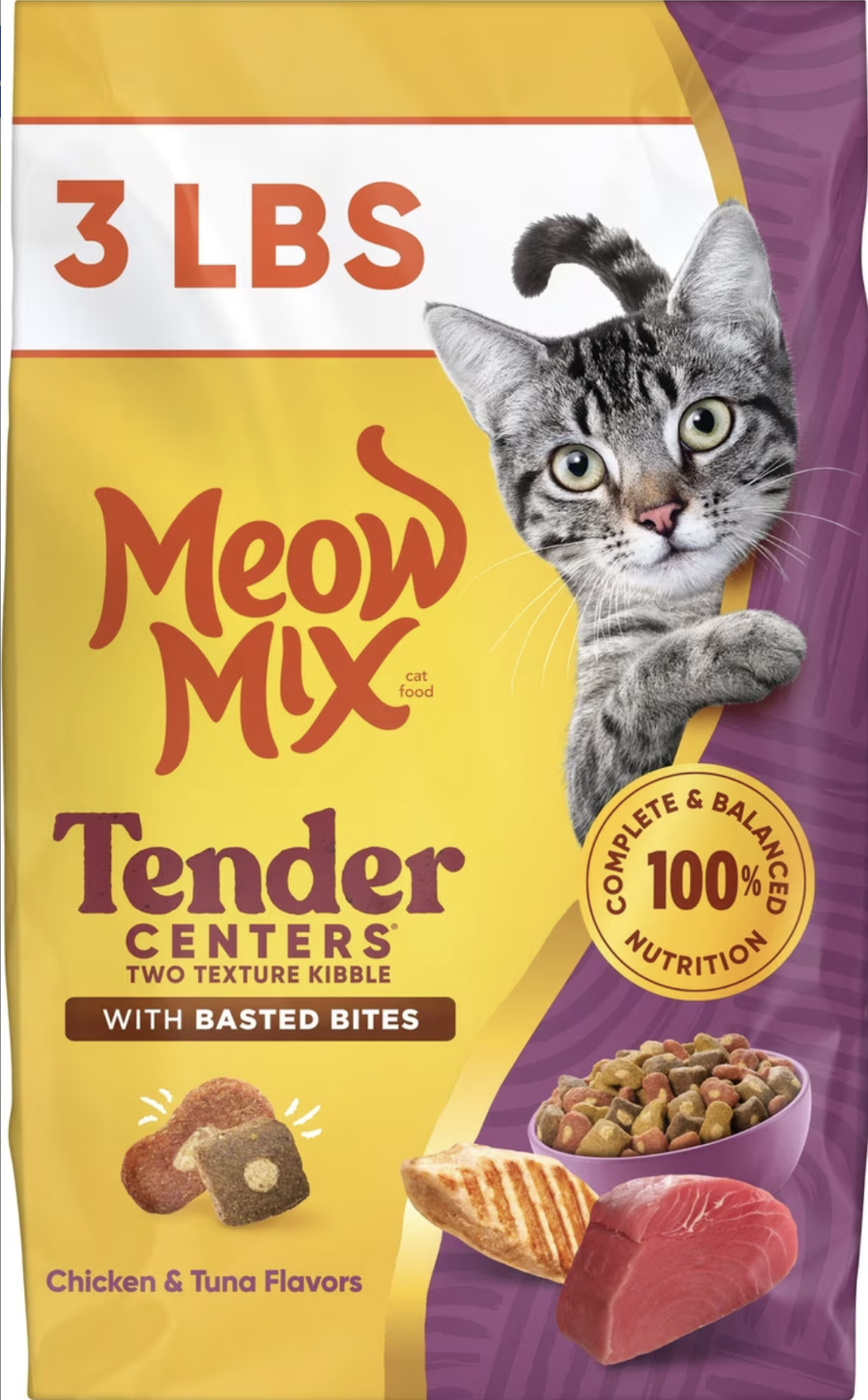
Meow Mix Tender Centers
6.4Crunchy outside, soft centre, chicken and tuna flavoured — the palatability play.
Recommendations are chosen by the Dr Murphies veterinary review board. Some links are affiliate links and we may earn a commission; this never affects our scoring, and brands do not see our copy before publication.
Dr Ingrid Sorensen, BVSc, DipACVB
Veterinary behaviourist