Nutrition
Feline Obesity: The Two-Kilogram Difference
In a species where the average healthy cat weighs around four kilograms, an extra two kilograms is not a cosmetic issue but a near-doubling of joint load and a significant metabolic burden.
By Dr Mariana Oliveira, DVM, DACVN
28 May 2026
4 min read

Medically reviewed
Reviewed by Dr Eleanor Murphy, BVSc of the Dr Murphies Veterinary Review Board. Reviewed content is checked against current consensus guidance before publication.
In a species where the average healthy cat weighs around four kilograms, an extra two kilograms is not a cosmetic issue but a near-doubling of joint load and a significant metabolic burden. Feline obesity is now the most common preventable disease in pet cats, and it drives measurable increases in diabetes, arthritis and reduced lifespan.
Why Two Kilograms Means So Much More on a Small Frame
Because an average cat's frame is small, an extra two kilograms represents a proportionally far larger burden than the same weight gain would on a large dog or a human, equivalent to a person carrying an additional 25 to 30 kilograms. This dramatically increases mechanical stress on joints, particularly the hips, stifles and spine, accelerating arthritis.
Adipose tissue is not inert padding but an active endocrine organ, secreting inflammatory cytokines and hormones that directly worsen insulin resistance, raising the risk of type 2 diabetes considerably in obese cats. This same low-grade chronic inflammation contributes to reduced life expectancy independent of any single associated disease.
Fat as an Active Endocrine Organ
- Inability to feel individual ribs without firm pressure
- No visible waist when viewed from above
- A pendulous abdominal fat pad that sways during movement
- Reduced grooming, particularly over the lower back, leading to a greasy coat
- Reluctance or visible difficulty jumping onto furniture
Body condition scoring, not the number on the scale alone, is the most reliable way to judge a cat's weight status, since ideal weight varies by frame size; a formal 9-point body condition score chart from your vet gives a far more accurate picture than weight alone.
Body Condition Scoring Properly
A full veterinary assessment includes body condition scoring, accurate weighing, and blood tests to rule out or identify complicating conditions such as diabetes or hypothyroidism, though the latter is rare in cats compared with dogs. Thyroid testing is more often used to rule out an underactive thyroid contributing to weight gain in unusual cases.
Establishing a genuine baseline calorie intake — including all treats, dental chews and any food from multiple household feeders — is often the most revealing diagnostic step, frequently uncovering a far higher actual intake than owners initially estimate.
Calorie Targets and Safe Weight Loss Rates
Safe, sustainable weight loss in cats requires a calculated calorie deficit and careful monitoring, since overly rapid weight loss carries a specific and serious risk in this species.
- A calculated calorie-restricted diet using a weight-loss-specific therapeutic food
- Slow-feeder bowls or puzzle feeders to extend mealtime and reduce rapid overeating
- Scheduled weigh-ins every two to four weeks to track progress and adjust calories
- Structured, short daily play sessions using wand toys to encourage voluntary activity
Environmental Enrichment as Part of the Plan
Weight loss should proceed at no more than around 1 to 2% of body weight per week, since more rapid loss risks hepatic lipidosis, a serious and potentially fatal liver condition triggered when an obese cat's fat stores are mobilised faster than the liver can process them.
Multi-cat households benefit from separate feeding stations and portion-controlled meals rather than free access to a shared bowl, since it is otherwise almost impossible to know how much any individual cat is actually eating.
When to seek help urgently
- Sudden loss of appetite in an overweight cat, which can rapidly precipitate hepatic lipidosis
- Jaundice, or a yellow tinge to the gums or skin
- Marked lethargy or vomiting during a weight-loss programme
- Any weight loss occurring faster than the planned safe rate
Weight loss plans need individual calorie calculation based on your cat's target weight and activity level, so work with your vet to set a specific, monitored plan rather than simply reducing portions by guesswork.
Vet-recommended
Products our review board rates for this
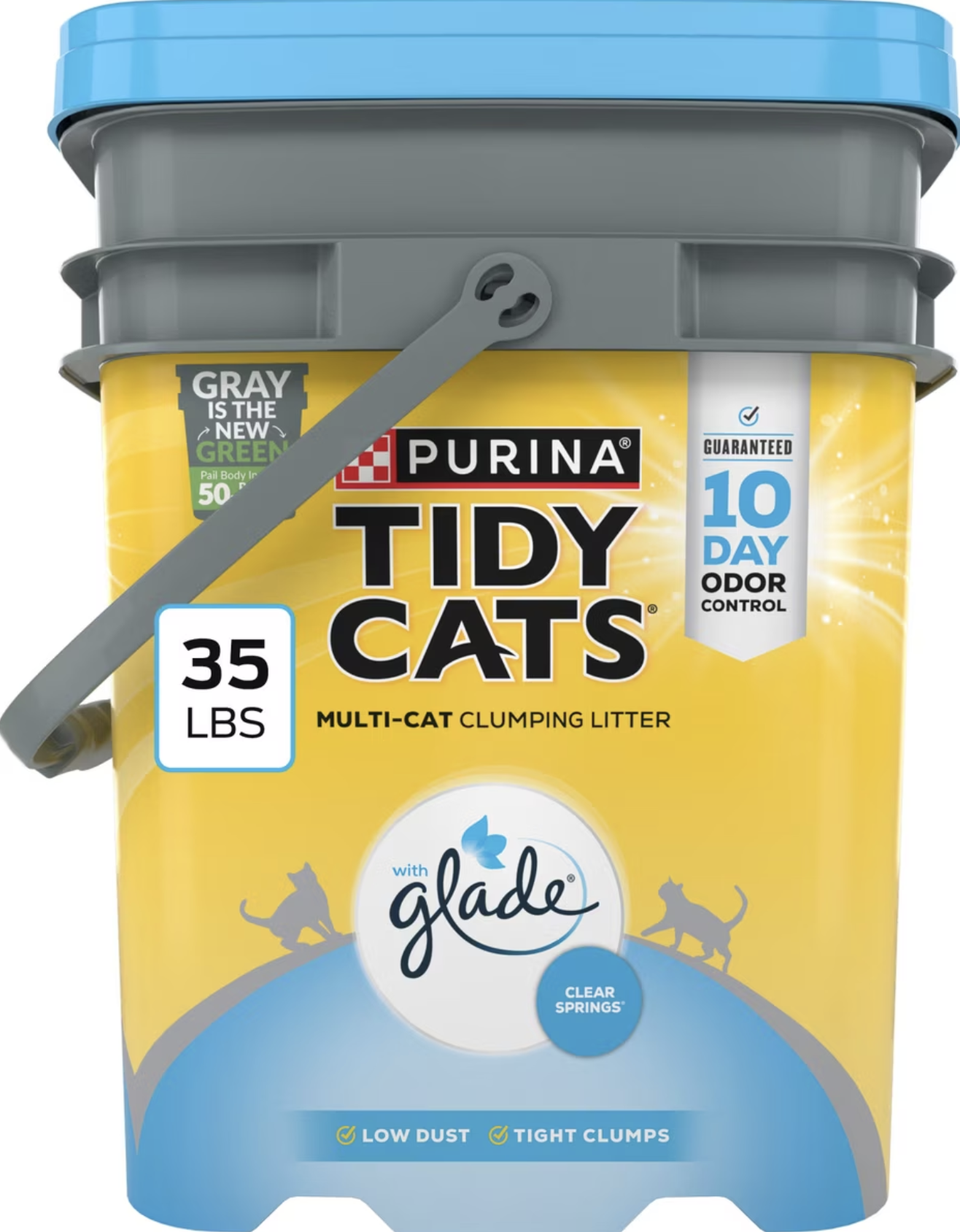
Tidy Cats Glade Clear Springs
7.9Tight clumps, low dust and a ten-day odour guarantee in a 35-lb multi-cat pail.

Lemonade Pet Insurance
9.4The lowest premiums in the category, with claims paid in minutes rather than weeks.
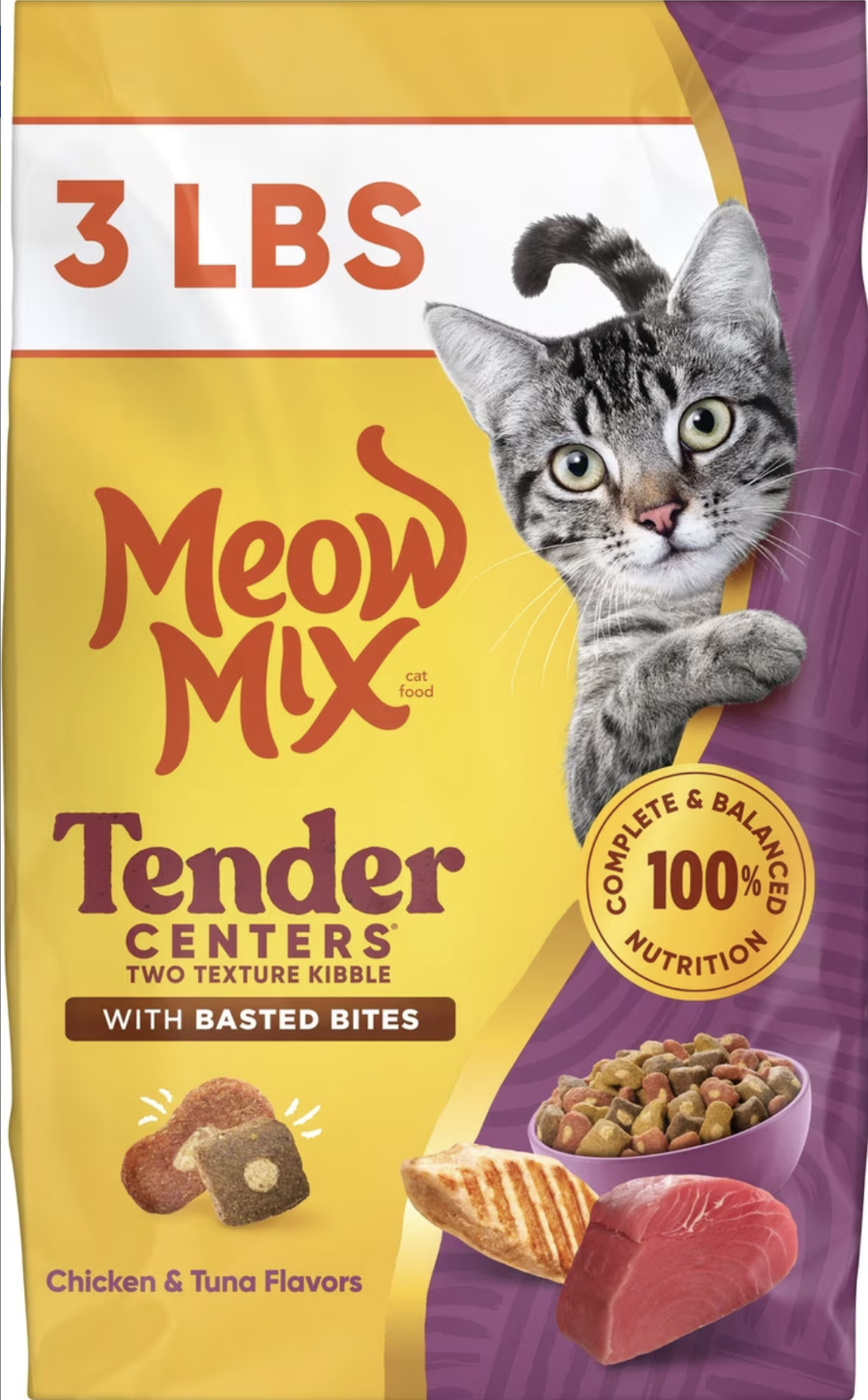
Meow Mix Tender Centers
6.4Crunchy outside, soft centre, chicken and tuna flavoured — the palatability play.
Recommendations are chosen by the Dr Murphies veterinary review board. Some links are affiliate links and we may earn a commission; this never affects our scoring, and brands do not see our copy before publication.
Dr Mariana Oliveira, DVM, DACVN
Veterinary nutritionist