Infectious Disease
FIV and FeLV: What a Positive Test Really Means
FIV and FeLV are two entirely different retroviruses that share only a test kit and a reputation for being misunderstood.
By Dr Priya Raghunathan, BVMS
21 June 2026
4 min read

Medically reviewed
Reviewed by Dr Samuel Adeyemi, DVM, DACVIM of the Dr Murphies Veterinary Review Board. Reviewed content is checked against current consensus guidance before publication.
FIV and FeLV are two entirely different retroviruses that share only a test kit and a reputation for being misunderstood. A positive result on either is frequently treated as a death sentence, but the practical reality for the cat in front of you depends heavily on which virus, what stage, and how the test was interpreted.
Two Different Viruses, One Test Kit
Feline immunodeficiency virus (FIV) is spread mainly through deep bite wounds and gradually depletes CD4 helper T-cells over years, weakening immune surveillance much like HIV does in humans, though transmission to humans never occurs. Many FIV-positive cats live a normal lifespan with no dramatic illness at all.
Feline leukaemia virus (FeLV) spreads more easily through mutual grooming, shared bowls and nose-to-nose contact, and integrates its genetic material directly into bone marrow cells. This causes progressive bone marrow suppression, anaemia and a markedly increased risk of lymphoma, making FeLV the more clinically serious of the two.
How Each Virus Attacks the Immune System
- Recurrent mouth infections or gingivitis in FIV-positive cats
- Slow-healing wounds or chronic low-grade infections
- Pale gums and lethargy from anaemia, more typical of FeLV
- Weight loss and poor coat condition over months
- Enlarged lymph nodes, which can indicate FeLV-associated lymphoma
Many positive cats show no signs at all for years, which is why a positive test result should prompt a management conversation rather than panic; the virus status changes precautions taken, not necessarily the cat's day-to-day life.
Confirming a Positive Snap Test Result
In-clinic ELISA snap tests screen for FIV antibodies and FeLV antigen simultaneously from a small blood sample, but a single positive result — especially in a low-risk, previously unvaccinated kitten — should always be confirmed with a second method. Western blot or PCR testing through a reference laboratory resolves false positives, which occur more often with FIV.
Kittens under six months can test falsely positive for FIV due to maternal antibodies passed through nursing, so retesting after six months of age is standard practice before accepting the diagnosis as permanent.
What Changes Day to Day
Neither virus has a cure, so management focuses on minimising exposure to secondary infections and catching complications early.
- Strict indoor housing to prevent further disease spread and reduce exposure to opportunistic infections
- Twice-yearly veterinary checks with blood counts to catch anaemia or marrow suppression early
- Prompt, aggressive treatment of any secondary infection rather than a wait-and-see approach
- Avoiding live-vaccine boosters unless specifically recommended, since immune response may be blunted
Living Well With a Retrovirus
FIV-positive cats, kept indoors and away from fight wounds with other cats, very often live a normal feline lifespan and die eventually of unrelated old-age disease rather than the virus itself. Routine dental care is particularly important given their susceptibility to gum disease.
FeLV-positive cats have a shorter average life expectancy, most commonly from anaemia or lymphoma, but many still enjoy several good years with regular monitoring. Housing FeLV-positive cats separately from negative housemates prevents transmission through shared grooming and bowls.
When to seek help urgently
- Pale or white gums, suggesting significant anaemia
- A sudden high fever or marked lethargy
- Rapidly enlarging lumps under the jaw or in the abdomen
- Refusal to eat for more than 24 hours, especially in a known FeLV-positive cat
A positive result on either virus changes management, not necessarily prognosis, and your vet can help interpret the specific test, confirm it properly, and set realistic expectations for your individual cat.
Vet-recommended
Products our review board rates for this
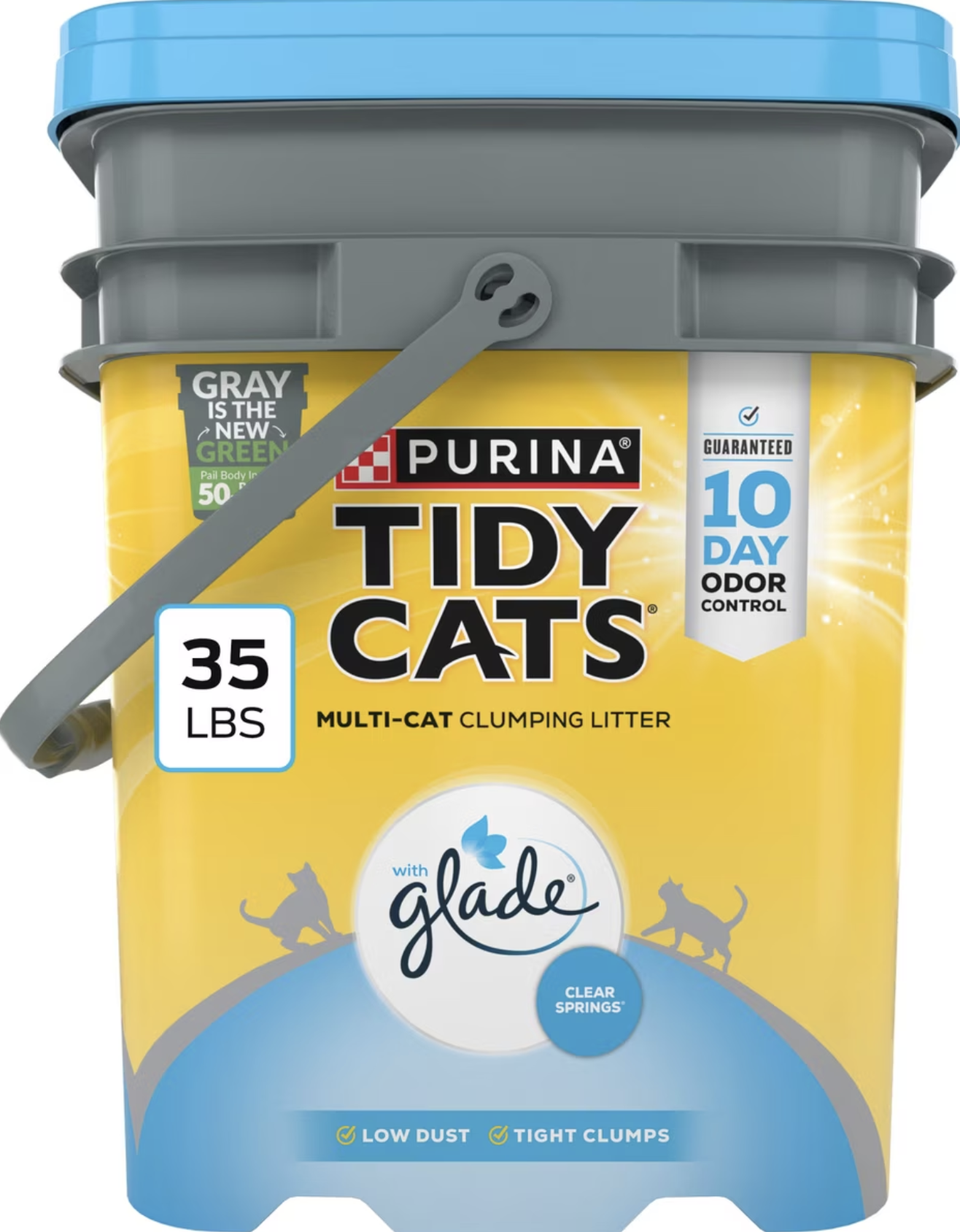
Tidy Cats Glade Clear Springs
7.9Tight clumps, low dust and a ten-day odour guarantee in a 35-lb multi-cat pail.

Lemonade Pet Insurance
9.4The lowest premiums in the category, with claims paid in minutes rather than weeks.
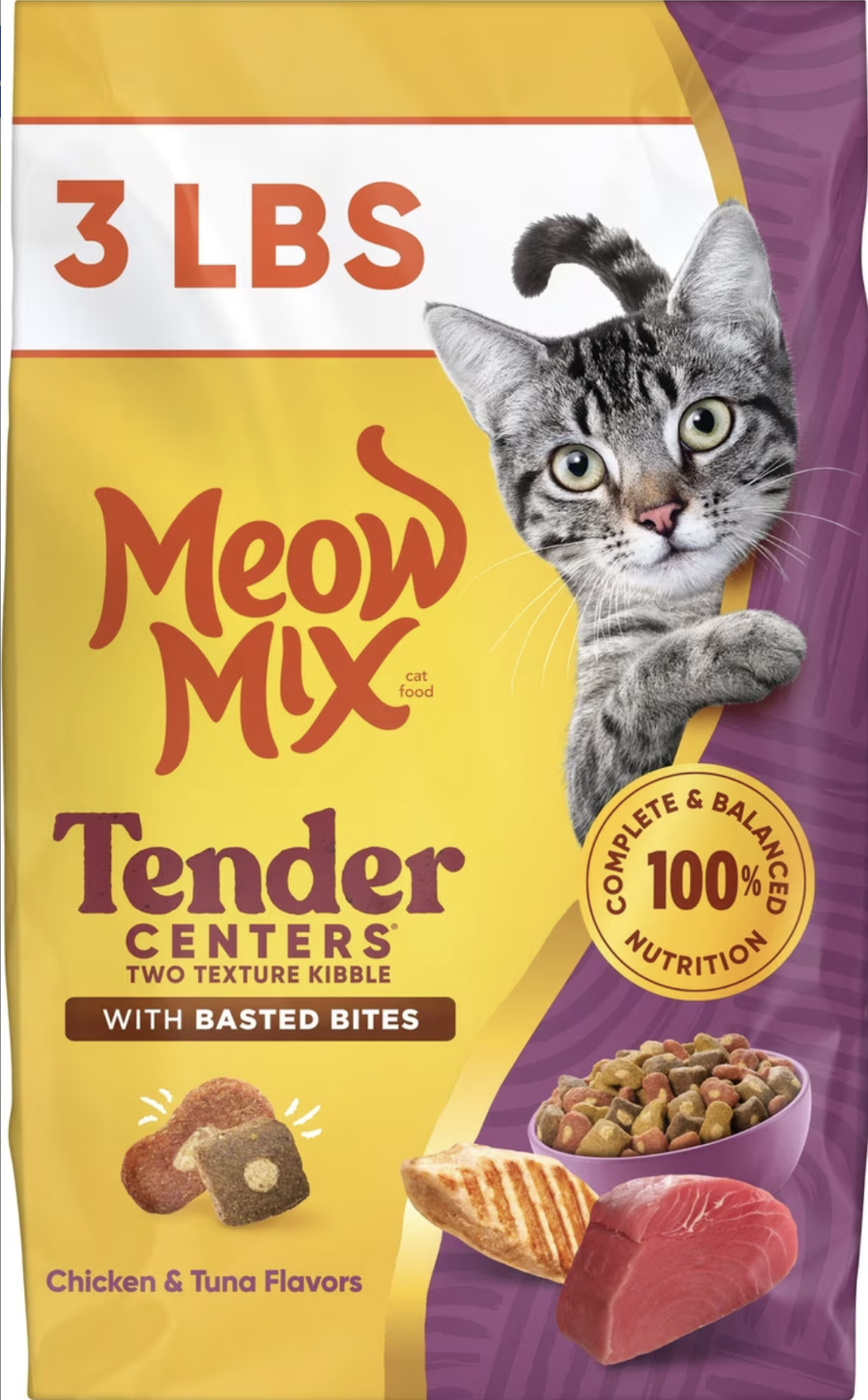
Meow Mix Tender Centers
6.4Crunchy outside, soft centre, chicken and tuna flavoured — the palatability play.
Recommendations are chosen by the Dr Murphies veterinary review board. Some links are affiliate links and we may earn a commission; this never affects our scoring, and brands do not see our copy before publication.
Dr Priya Raghunathan, BVMS
Emergency and critical care clinician