Gastroenterology
Hairballs: When Normal Becomes a Warning Sign
Cats swallow loose fur during routine grooming, and an occasional hairball is a normal, if unglamorous, consequence of that habit.
By Dr Ingrid Sorensen, BVSc, DipACVB
5 June 2026
4 min read
Medically reviewed
Reviewed by Dr Eleanor Murphy, BVSc of the Dr Murphies Veterinary Review Board. Reviewed content is checked against current consensus guidance before publication.
Cats swallow loose fur during routine grooming, and an occasional hairball is a normal, if unglamorous, consequence of that habit. But when hairball frequency increases, or a cat strains unsuccessfully to produce one, the underlying cause is often not excess fur at all but an intestinal or skin condition driving both overgrooming and abnormal gut motility.
Why Some Fur Becomes a Hairball
Barbed papillae on a cat's tongue trap loose fur during grooming, and most of it passes harmlessly through the digestive tract in the stool. A hairball forms when fur accumulates in the stomach faster than normal gut motility can move it onward, eventually triggering a vomiting reflex to expel the compacted mass.
Frequent hairballs — more than one every few weeks — usually indicate one of two underlying drivers: increased fur intake from overgrooming due to allergic skin disease or stress, or reduced gut motility from an underlying condition such as IBD, which allows normally-passing fur to accumulate into larger, harder-to-pass masses.
From Normal Grooming to a Red-Flag Pattern
- Retching or coughing motions producing nothing, or only saliva
- Hairballs occurring more than once every two to three weeks
- Thinning fur or bald patches from excessive self-grooming
- Reduced appetite or lethargy alongside hairball episodes
- Constipation or straining in the litter tray alongside vomiting
A hairball produced without visible distress once every month or so in a healthy, well-groomed cat is unremarkable, but any increase in frequency, or straining that produces nothing at all, should be treated as a symptom of something else rather than normalised.
When Vomiting Is Not the Same as a Hairball
Investigation starts with a full skin and coat examination to check for evidence of allergic dermatitis or flea allergy driving overgrooming, alongside a review of stress factors in the household. Abdominal palpation and, where indicated, ultrasound assess for a genuine obstruction if a cat is repeatedly unproductive despite retching.
Bloodwork and faecal testing help rule out systemic disease contributing to poor gut motility, while a large, firm mass on abdominal imaging occasionally represents a true trichobezoar requiring surgical removal rather than a self-resolving hairball.
Investigating Frequent Hairballs Properly
Treatment addresses the underlying driver of excess fur or poor motility rather than simply treating each hairball as it occurs.
- Regular brushing, several times weekly, to remove loose fur before it can be swallowed
- A high-fibre or hairball-control diet formulated to support normal transit
- Flea control and allergy management if overgrooming is driven by itchy skin
- Petroleum-based hairball lubricant pastes used short-term to aid passage of an existing mass
Diet, Grooming and Motility Support
Long-haired breeds such as Maine Coons and Persians benefit from daily brushing as a preventive baseline rather than reactive grooming after a hairball appears, since consistent fur removal reduces the raw material available to form a bezoar in the first place.
Environmental enrichment and stress reduction — consistent routines, vertical space and adequate play — genuinely reduce compulsive overgrooming in anxious cats, addressing the root cause rather than just managing the resulting hairballs.
When to seek help urgently
- Repeated unproductive retching lasting more than a day
- Complete loss of appetite alongside straining or vomiting
- A palpably firm mass in the abdomen with associated lethargy
- No bowel movement for more than 48 hours combined with vomiting
Because increasing hairball frequency is so often a symptom of allergy, stress or gut disease rather than the primary problem, it is worth a proper veterinary review rather than simply reaching for another hairball remedy.
Vet-recommended
Products our review board rates for this
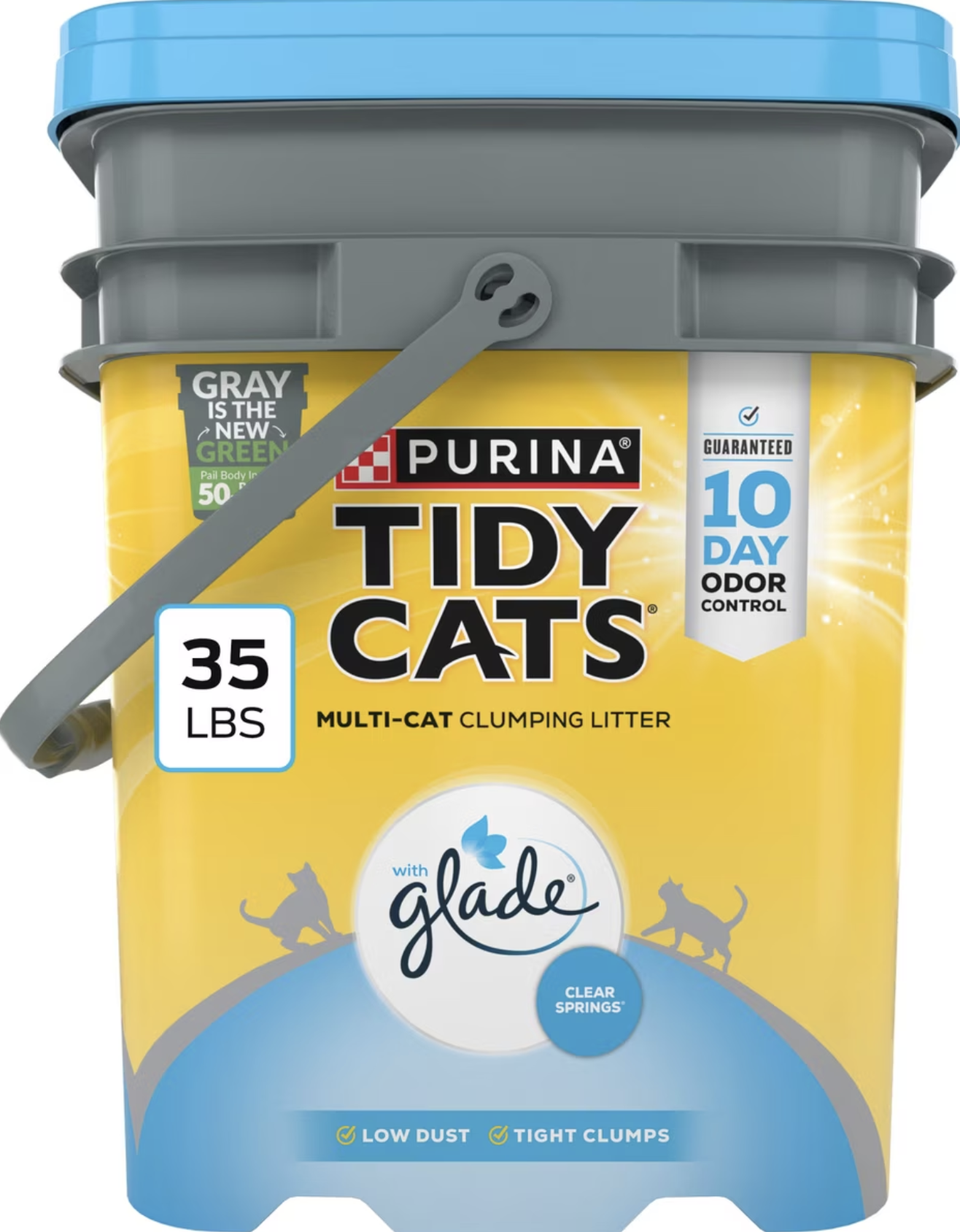
Tidy Cats Glade Clear Springs
7.9Tight clumps, low dust and a ten-day odour guarantee in a 35-lb multi-cat pail.

Lemonade Pet Insurance
9.4The lowest premiums in the category, with claims paid in minutes rather than weeks.
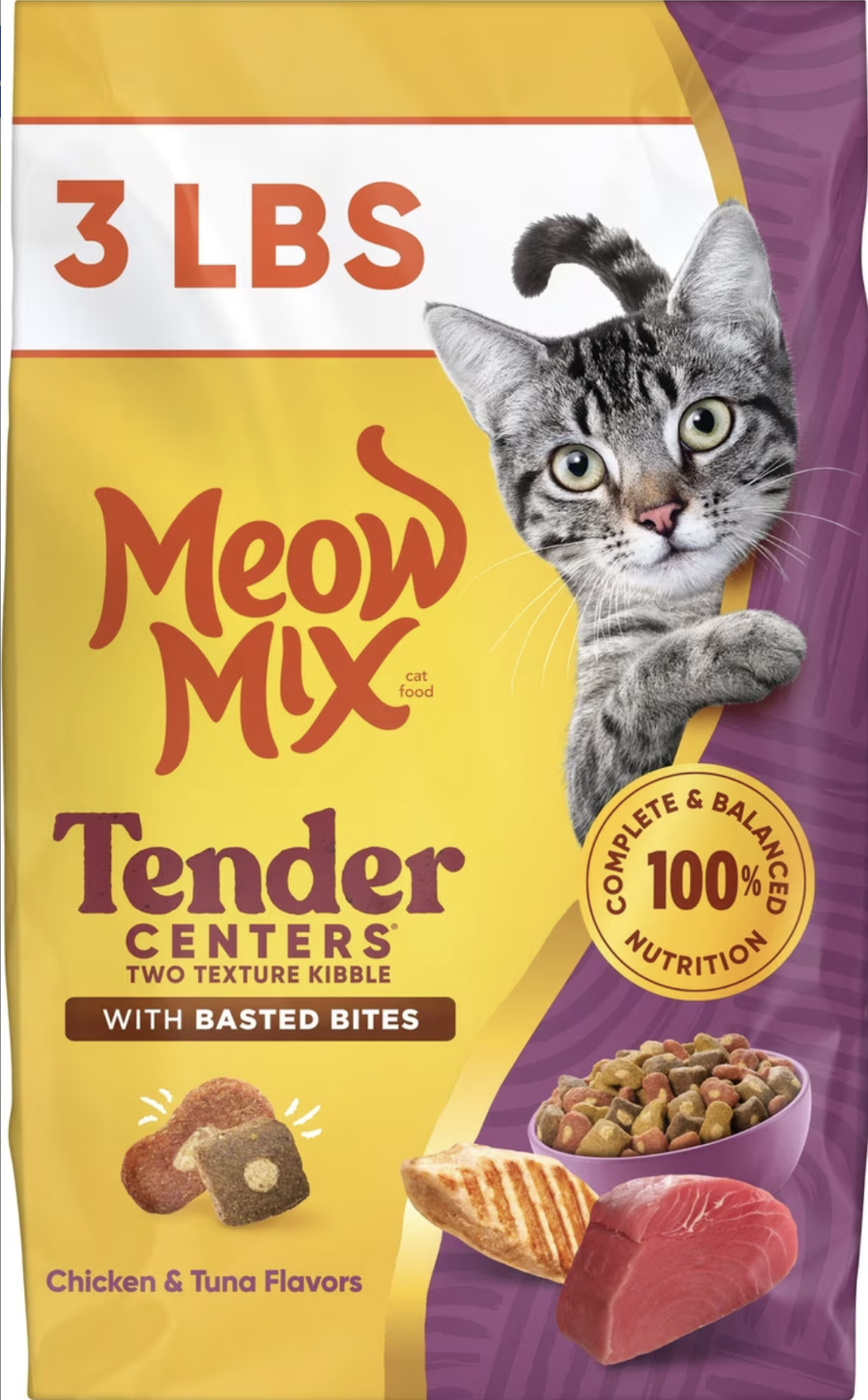
Meow Mix Tender Centers
6.4Crunchy outside, soft centre, chicken and tuna flavoured — the palatability play.
Recommendations are chosen by the Dr Murphies veterinary review board. Some links are affiliate links and we may earn a commission; this never affects our scoring, and brands do not see our copy before publication.
Dr Ingrid Sorensen, BVSc, DipACVB
Veterinary behaviourist