Dermatology
Hot Spots: Treating Acute Moist Dermatitis Fast
Acute moist dermatitis, universally known as a hot spot, is a rapidly developing, intensely itchy patch of skin inflammation that can appear within hours and expand dramatically as a dog licks, chews or scratches the area raw.
By Dr Priya Raghunathan, BVMS
17 July 2026
4 min read

Medically reviewed
Reviewed by Dr Samuel Adeyemi, DVM, DACVIM of the Dr Murphies Veterinary Review Board. Reviewed content is checked against current consensus guidance before publication.
Acute moist dermatitis, universally known as a hot spot, is a rapidly developing, intensely itchy patch of skin inflammation that can appear within hours and expand dramatically as a dog licks, chews or scratches the area raw. Unlike most skin conditions that build gradually, hot spots are notable for their speed, often triggered by an underlying irritant such as a flea bite, ear infection or matted coat that starts a self-perpetuating itch-scratch cycle.
Why Hot Spots Escalate So Fast
A hot spot begins when localised trauma, whether from a flea bite, insect sting, or trapped moisture under a matted coat, breaks the skin's surface and introduces surface bacteria such as Staphylococcus pseudintermedius into the disrupted tissue. The dog's response to the initial itch, licking and chewing, causes further trauma and moisture accumulation that accelerates bacterial proliferation, and because saliva and heat both worsen the inflammatory response, the lesion can visibly expand within a matter of hours.
Thick-coated breeds such as Golden Retrievers and German Shepherds are particularly prone during hot, humid weather, since a damp undercoat traps moisture against the skin and prevents the area from drying between grooming sessions.
Common Underlying Triggers
- Rapidly appearing, well-demarcated area of moist, red skin
- Matted or missing hair over the affected patch
- Yellowish discharge or crusting on the lesion surface
- Obvious pain or sensitivity when the area is touched
- Intense, frantic licking or chewing focused on one spot
Hot spots can go from a small irritated patch to a coin-sized or larger raw lesion within a single day, so early intervention makes a meaningful difference to how extensive treatment needs to be.
Spotting a Hot Spot Before It Spreads
Diagnosis is usually made on appearance and rapid onset alone, though vets will also examine the wider coat and skin for the underlying trigger, whether that is fleas, an ear infection causing secondary head shaking and scratching, or anal gland irritation prompting excessive licking further along the body. Cytology of the lesion surface can confirm the degree of bacterial and sometimes yeast involvement, which helps guide whether topical treatment alone will suffice or systemic antibiotics are warranted.
Persistent or recurrent hot spots in the same location warrant closer investigation for an underlying allergic skin disease, since dogs with atopic dermatitis or food allergy are considerably more prone to developing them repeatedly.
Clipping, Cleaning and Medicating
Fast, thorough local treatment combined with addressing the underlying trigger typically resolves a hot spot within a week to ten days.
- Clipping hair away from the lesion to allow air exposure and cleaning
- Gentle cleansing with a dilute chlorhexidine antiseptic solution
- Topical or oral antibiotics for lesions with deeper bacterial involvement
- An Elizabethan collar to interrupt the licking and chewing cycle
Preventing the Next Flare-Up
Because continued licking can undo days of healing within minutes, an Elizabethan collar or similar barrier is often the single most important tool in resolving a hot spot quickly, even though many owners are reluctant to use one. Anti-inflammatory or anti-itch medication such as a short course of corticosteroids may be added for particularly painful or extensive lesions to break the itch-scratch cycle faster than antiseptic treatment alone.
Addressing the root trigger, whether starting a proper flea prevention programme, treating an ear infection or managing underlying allergies, is essential, since treating the visible lesion without correcting the cause makes recurrence highly likely.
When to seek help urgently
- Rapid spreading of the lesion despite starting treatment
- Signs of systemic illness such as fever or lethargy
- Multiple hot spots appearing simultaneously across the body
- Deep, foul-smelling wounds suggesting infection beyond the surface
Hot spots respond quickly to prompt treatment, but because they signal an underlying trigger rather than existing in isolation, a vet visit helps identify and address that root cause to prevent the next flare-up.
Vet-recommended
Products our review board rates for this
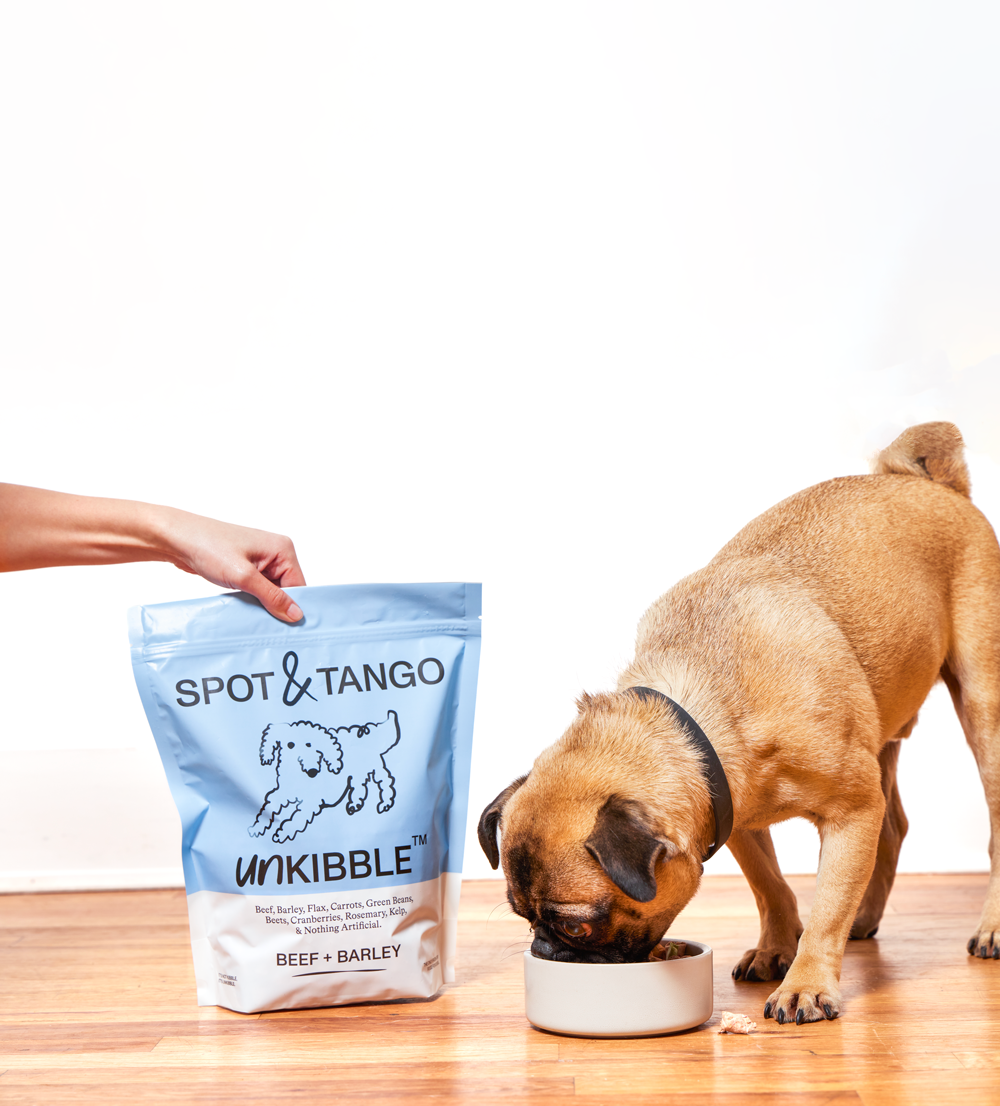
Spot & Tango
9.1Vet-formulated fresh trays and dehydrated UnKibble, portioned to the individual dog.

Lemonade Pet Insurance
9.4The lowest premiums in the category, with claims paid in minutes rather than weeks.

YETI Boomer 4 Dog Bowl
8.518/8 stainless, non-slip ring, dishwasher-safe — the last bowl you buy.
Recommendations are chosen by the Dr Murphies veterinary review board. Some links are affiliate links and we may earn a commission; this never affects our scoring, and brands do not see our copy before publication.
Dr Priya Raghunathan, BVMS
Emergency and critical care clinician