Endocrinology
Hyperthyroidism in Cats: Four Treatment Paths Compared
Hyperthyroidism, driven almost always by a benign adenoma of the thyroid gland, is the most common endocrine disease of older cats.
By Dr Thomas Nakamura, DVM
22 July 2026
4 min read
Medically reviewed
Reviewed by Dr Samuel Adeyemi, DVM, DACVIM of the Dr Murphies Veterinary Review Board. Reviewed content is checked against current consensus guidance before publication.
Hyperthyroidism, driven almost always by a benign adenoma of the thyroid gland, is the most common endocrine disease of older cats. It accelerates metabolism dramatically, producing a wiry, ravenous, restless cat that is nonetheless losing weight. Four genuinely different treatment paths exist, each with distinct trade-offs in cost, convenience and permanence.
The Overactive Gland
In most affected cats, one or both thyroid lobes develop a benign nodule of hyperfunctioning tissue that secretes thyroxine (T4) independent of normal pituitary control. This hormone excess pushes the basal metabolic rate up dramatically, meaning the body burns calories far faster than intake can match, however much the cat eats.
The excess thyroxine also drives the heart to beat faster and thicken its walls, a secondary hypertrophic change that can mask or complicate underlying heart disease. Left untreated, chronic hyperthyroidism causes progressive muscle wasting, hypertension and eventually cardiac strain.
Why a Ravenous Cat Loses Weight
- Weight loss despite a markedly increased appetite
- Restlessness, increased vocalisation, and hyperactivity, particularly at night
- A rapid heart rate often exceeding 240 beats per minute
- Vomiting or diarrhoea from accelerated gut transit
- A palpably enlarged thyroid nodule felt in the neck
The combination of weight loss with an increased, not decreased, appetite is the single most distinguishing clue that separates hyperthyroidism from most other wasting diseases of older cats and should prompt thyroid testing specifically.
Confirming Thyroid Levels
A total T4 blood test is the first-line screen and is usually markedly elevated, though some early or mildly affected cats have borderline results requiring a free T4 or T3 suppression test to confirm. Concurrent kidney values are checked carefully, since correcting hyperthyroidism can unmask previously hidden CKD.
A cardiac exam and blood pressure measurement are routine, as hypertension and hypertrophic changes to the heart are common companions. Nuclear scintigraphy, where available, can confirm which thyroid lobe is affected and detect ectopic thyroid tissue before surgery.
Comparing Medication, Diet, Surgery and Radioiodine
The four main options differ mainly in whether they control the disease for life or resolve it permanently, and the right choice depends on the cat's age, kidney function and the owner's circumstances.
- Daily methimazole tablets or transdermal gel, which control hormone levels but do not cure the underlying nodule
- A strictly iodine-restricted prescription diet, effective only if fed exclusively with no other food
- Surgical thyroidectomy, removing the affected lobe(s) under general anaesthetic
- Radioactive iodine (I-131) therapy, a single injection that selectively destroys abnormal thyroid tissue and is considered curative
Living With Whichever Path You Choose
Cats on methimazole need bloods rechecked roughly monthly at first to fine-tune dose and watch for side effects such as facial itching or blood count changes, then every three to six months once stable. This path is reversible if kidney function worsens, since the dose can simply be reduced.
Radioiodine and surgery both carry the risk of unmasking latent CKD once the metabolic rate normalises, so a trial period of medical management beforehand is often recommended to check how kidney values respond before committing to a permanent fix.
When to seek help urgently
- Collapse, laboured breathing or an inability to settle, suggesting cardiac decompensation
- Sudden severe vomiting or complete loss of appetite
- A resting heart rate that feels dramatically fast or irregular
- Marked lethargy replacing the usual restlessness, which can indicate a thyroid storm or heart failure
Each of these four paths has real advantages depending on your cat's individual health picture and your own capacity for tablets, diet control or a hospital stay, so work through the options in detail with your vet before choosing.
Vet-recommended
Products our review board rates for this
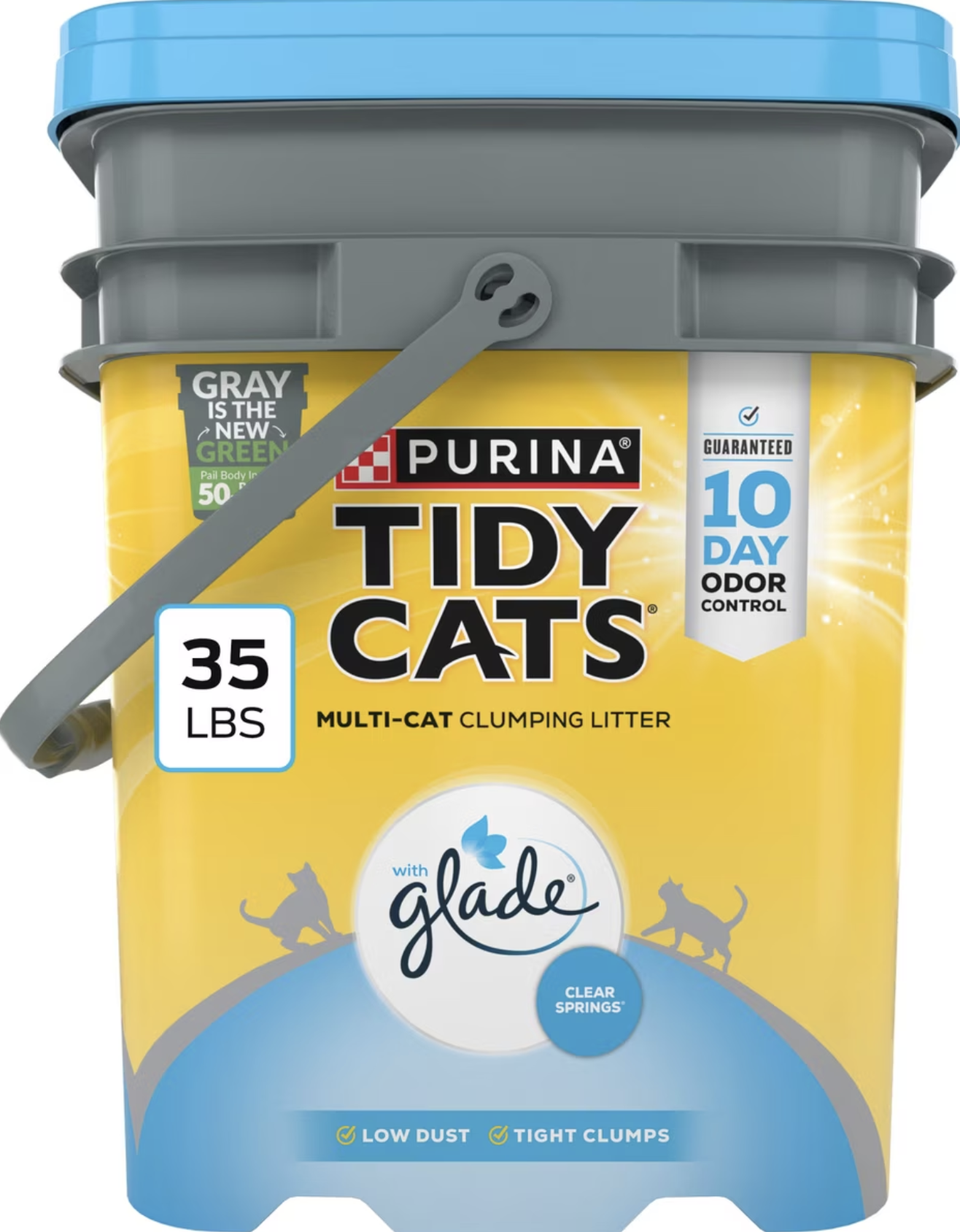
Tidy Cats Glade Clear Springs
7.9Tight clumps, low dust and a ten-day odour guarantee in a 35-lb multi-cat pail.

Lemonade Pet Insurance
9.4The lowest premiums in the category, with claims paid in minutes rather than weeks.
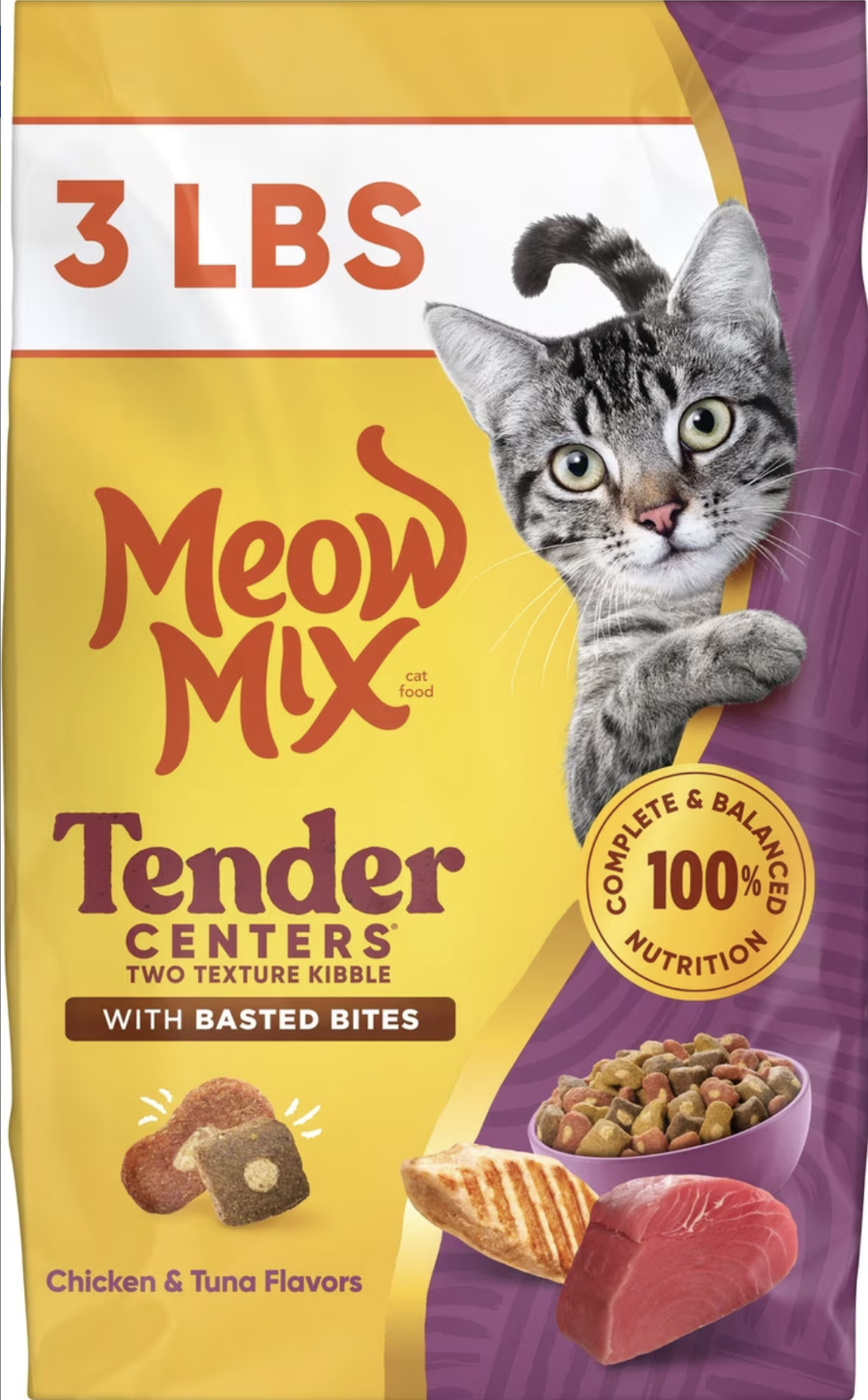
Meow Mix Tender Centers
6.4Crunchy outside, soft centre, chicken and tuna flavoured — the palatability play.
Recommendations are chosen by the Dr Murphies veterinary review board. Some links are affiliate links and we may earn a commission; this never affects our scoring, and brands do not see our copy before publication.
Dr Thomas Nakamura, DVM
Exotic and avian medicine