Cardiology
Hypertrophic Cardiomyopathy: The Silent Feline Heart Disease
Hypertrophic cardiomyopathy (HCM) is the most common heart disease in cats and one of the quietest, often producing no outward signs until a sudden crisis of breathing difficulty or hindlimb paralysis.
By Dr Ingrid Sorensen, BVSc, DipACVB
16 July 2026
4 min read
Medically reviewed
Reviewed by Dr Samuel Adeyemi, DVM, DACVIM of the Dr Murphies Veterinary Review Board. Reviewed content is checked against current consensus guidance before publication.
Hypertrophic cardiomyopathy (HCM) is the most common heart disease in cats and one of the quietest, often producing no outward signs until a sudden crisis of breathing difficulty or hindlimb paralysis. Breeds like Maine Coons and Ragdolls carry known genetic mutations, but the disease also appears unpredictably in cats of no particular pedigree.
A Thickening Muscle Wall
In HCM, the muscular wall of the left ventricle thickens abnormally, reducing the chamber's volume and stiffening it so it cannot relax and fill properly between beats. Unlike dogs, whose heart disease usually involves leaking valves, feline HCM is fundamentally a problem of the heart muscle itself becoming too thick and too stiff.
This impaired filling causes blood to back up into the left atrium, which stretches and enlarges over time, creating a low-flow environment prone to clot formation. A dislodged clot travelling to the aortic bifurcation causes the sudden, agonising hindlimb paralysis known as a saddle thrombus, often the first sign an owner notices.
Why Symptoms Arrive Without Warning
- Sudden, laboured or open-mouthed breathing, sometimes appearing out of nowhere
- Lethargy or reduced activity that is easy to dismiss in an indoor cat
- Sudden hindlimb paralysis, pain and cold paws from a thromboembolism
- A heart murmur or gallop rhythm detected incidentally during a routine exam
- Fainting or collapse episodes during exertion or stress
Because cats mask reduced exercise tolerance simply by moving less, HCM frequently goes unnoticed until a heart murmur is picked up incidentally or a thromboembolic crisis occurs, making routine auscultation at annual check-ups genuinely valuable.
The Role of Screening Echocardiograms
Echocardiography is the definitive diagnostic tool, directly measuring the thickness of the left ventricular wall and the size of the left atrium, both of which guide prognosis. NT-proBNP blood testing offers a useful screening step when a murmur is heard but full echocardiography is not immediately available.
Genetic testing exists for known mutations in Maine Coons and Ragdolls, though many affected cats of other breeds carry no identifiable mutation, so a normal genetic test does not rule out the disease and periodic echocardiograms remain the gold standard for at-risk cats.
Managing Heart Failure and Clot Risk
There is no cure for HCM itself, so treatment aims to manage heart failure symptoms, reduce clot risk and support normal heart rhythm.
- Furosemide to reduce fluid build-up in cats showing signs of congestive heart failure
- Clopidogrel, given long-term to reduce the risk of thromboembolism in cats with an enlarged left atrium
- Pimobendan in select cases to support heart function under specialist guidance
- Beta-blockers such as atenolol for cats with dynamic outflow obstruction or arrhythmias
Living With a Cat on Cardiac Medication
Cats with mild, asymptomatic HCM often need nothing beyond regular echocardiogram monitoring every six to twelve months to track progression, with no restriction on normal indoor activity. Stress reduction is worthwhile, since acute stress can precipitate decompensation in a borderline heart.
Cats on long-term heart medication should have resting respiratory rate checked by the owner regularly, since a sustained rate above 30 breaths per minute at rest is a reliable early warning sign of fluid build-up, well before overt breathing distress develops.
When to seek help urgently
- Open-mouth breathing or a resting respiratory rate consistently above 40 breaths per minute
- Sudden paralysis, dragging, or extreme pain in one or both hindlegs
- Cold hindpaws with no detectable pulse
- Collapse, fainting, or bluish gums
HCM severity ranges from an incidental murmur to a life-threatening emergency, and echocardiographic findings — not symptoms alone — should guide monitoring frequency and medication decisions in consultation with your vet.
Vet-recommended
Products our review board rates for this
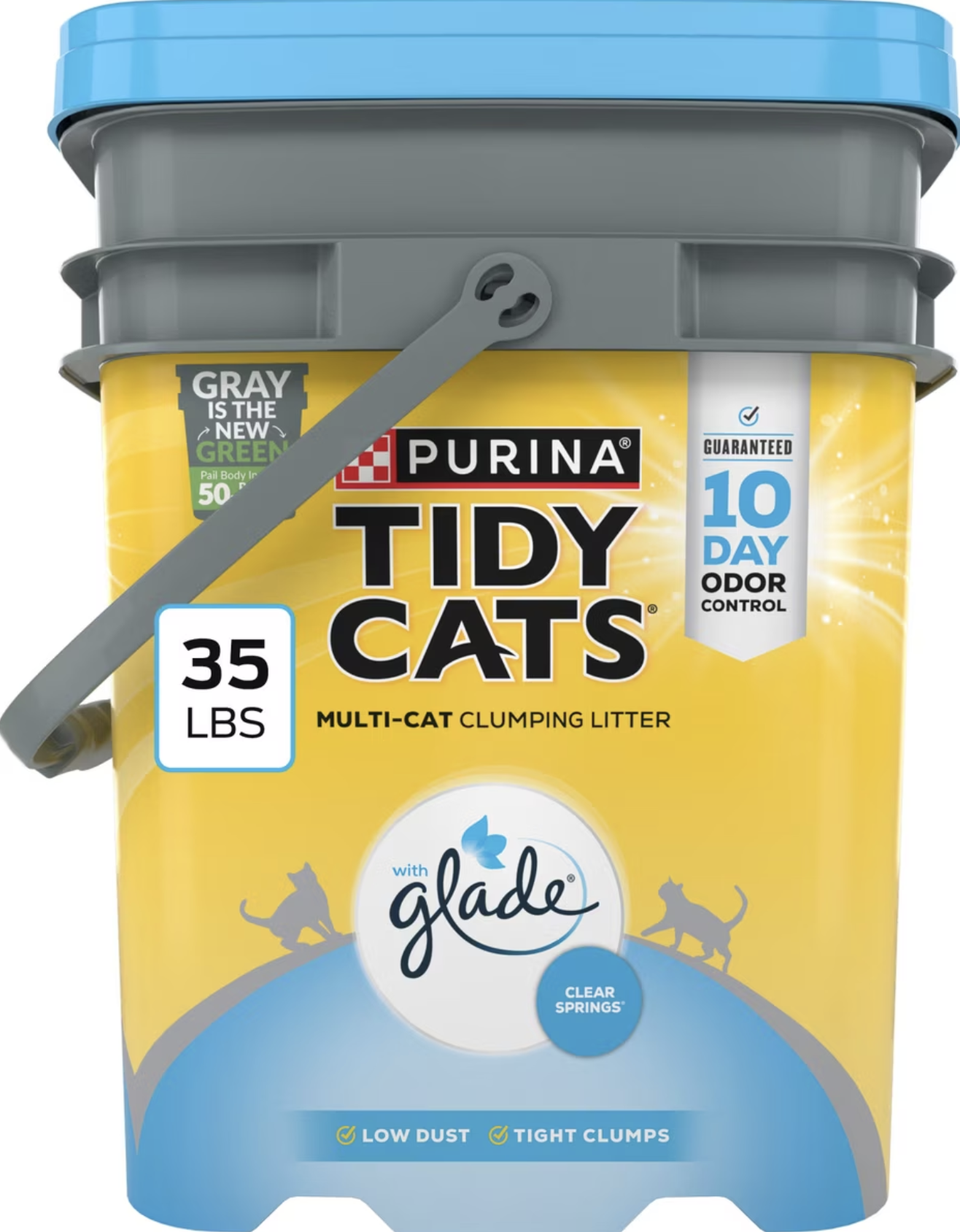
Tidy Cats Glade Clear Springs
7.9Tight clumps, low dust and a ten-day odour guarantee in a 35-lb multi-cat pail.

Lemonade Pet Insurance
9.4The lowest premiums in the category, with claims paid in minutes rather than weeks.

Meow Mix Tender Centers
6.4Crunchy outside, soft centre, chicken and tuna flavoured — the palatability play.
Recommendations are chosen by the Dr Murphies veterinary review board. Some links are affiliate links and we may earn a commission; this never affects our scoring, and brands do not see our copy before publication.
Dr Ingrid Sorensen, BVSc, DipACVB
Veterinary behaviourist