Endocrinology
Hypothyroidism in Dogs: Weight, Coat and Mood
Canine hypothyroidism results from insufficient thyroid hormone production, most commonly due to autoimmune lymphocytic thyroiditis that gradually destroys thyroid tissue over months to years.
By Dr Callum Wright, BVSc, MANZCVS
31 July 2026
4 min read
Medically reviewed
Reviewed by Dr Samuel Adeyemi, DVM, DACVIM of the Dr Murphies Veterinary Review Board. Reviewed content is checked against current consensus guidance before publication.
Canine hypothyroidism results from insufficient thyroid hormone production, most commonly due to autoimmune lymphocytic thyroiditis that gradually destroys thyroid tissue over months to years. Medium and large breed dogs in mid-life, including Golden Retrievers, Doberman Pinschers and Boxers, are disproportionately affected, and because thyroid hormone influences metabolic rate throughout the body, the resulting signs touch weight, coat, skin and even temperament.
How Autoimmune Thyroiditis Destroys the Gland
Lymphocytic thyroiditis involves the immune system mistakenly targeting thyroglobulin and thyroid peroxidase within the gland, producing progressive lymphocytic infiltration and fibrosis that destroys functional thyroid tissue. Clinical signs typically do not appear until at least 75 percent of the gland has been destroyed, which is why the condition often seems to arrive suddenly despite years of underlying, silent damage.
Thyroid hormone regulates basal metabolic rate in nearly every tissue, so its deficiency slows cellular metabolism broadly, producing weight gain without increased appetite, lowered heart rate, poor thermoregulation and reduced hair follicle turnover.
The Metabolic and Coat Changes to Watch
- Unexplained weight gain despite a stable or reduced appetite
- Dull, thinning coat with symmetrical hair loss over the trunk
- Lethargy and reduced tolerance for exercise or cold weather
- Recurrent skin infections and greasy, flaky skin
- A 'tragic' facial expression from myxoedema of facial tissues
These signs develop so gradually that owners often describe their dog as simply 'slowing down with age' rather than recognising a treatable hormonal deficiency behind the change.
Confirming Diagnosis With a Full Thyroid Panel
Diagnosis requires a full thyroid panel rather than total T4 alone, since numerous non-thyroidal illnesses and medications can lower total T4 without true hypothyroidism present, a phenomenon known as euthyroid sick syndrome. A combination of free T4 measured by equilibrium dialysis, endogenous TSH, and thyroglobulin autoantibody testing provides a much more reliable picture, particularly in borderline cases.
Because many of the clinical signs overlap with other conditions such as Cushing's disease, bloodwork including a full biochemistry panel and complete blood count is routinely run alongside the thyroid panel to rule out concurrent illness.
Daily Levothyroxine Supplementation
Treatment is straightforward and highly effective, involving lifelong hormone replacement rather than any curative intervention.
- Synthetic levothyroxine given orally, usually twice daily initially
- Consistent dosing timing relative to meals to ensure absorption
- Follow-up T4 testing four to six hours post-pill to confirm dosing
- Gradual dose adjustment based on clinical response and bloodwork
Adjusting the Dose Over Time
Most dogs show improved energy and appetite regulation within two to four weeks of starting levothyroxine, though full coat regrowth can take three to four months given the normal hair cycle length. Dose requirements can change over time as body weight fluctuates or the degree of thyroid destruction progresses, so periodic rechecks remain important even in dogs that seem well controlled.
Owners should give levothyroxine consistently relative to food, since fatty meals can reduce absorption, and should never adjust the dose themselves based on how the dog looks, since both under- and over-supplementation cause distinct problems.
When to seek help urgently
- Collapse or extreme lethargy suggesting myxoedema coma (rare, severe)
- Signs of over-supplementation such as restlessness, panting and weight loss
- New onset of seizures in a previously stable hypothyroid dog
- Sudden severe skin infection unresponsive to usual treatment
Hypothyroidism is one of the most rewarding conditions to treat because dogs typically respond dramatically to correctly dosed medication, but getting that dose right takes proper testing and monitoring with your vet.
Vet-recommended
Products our review board rates for this
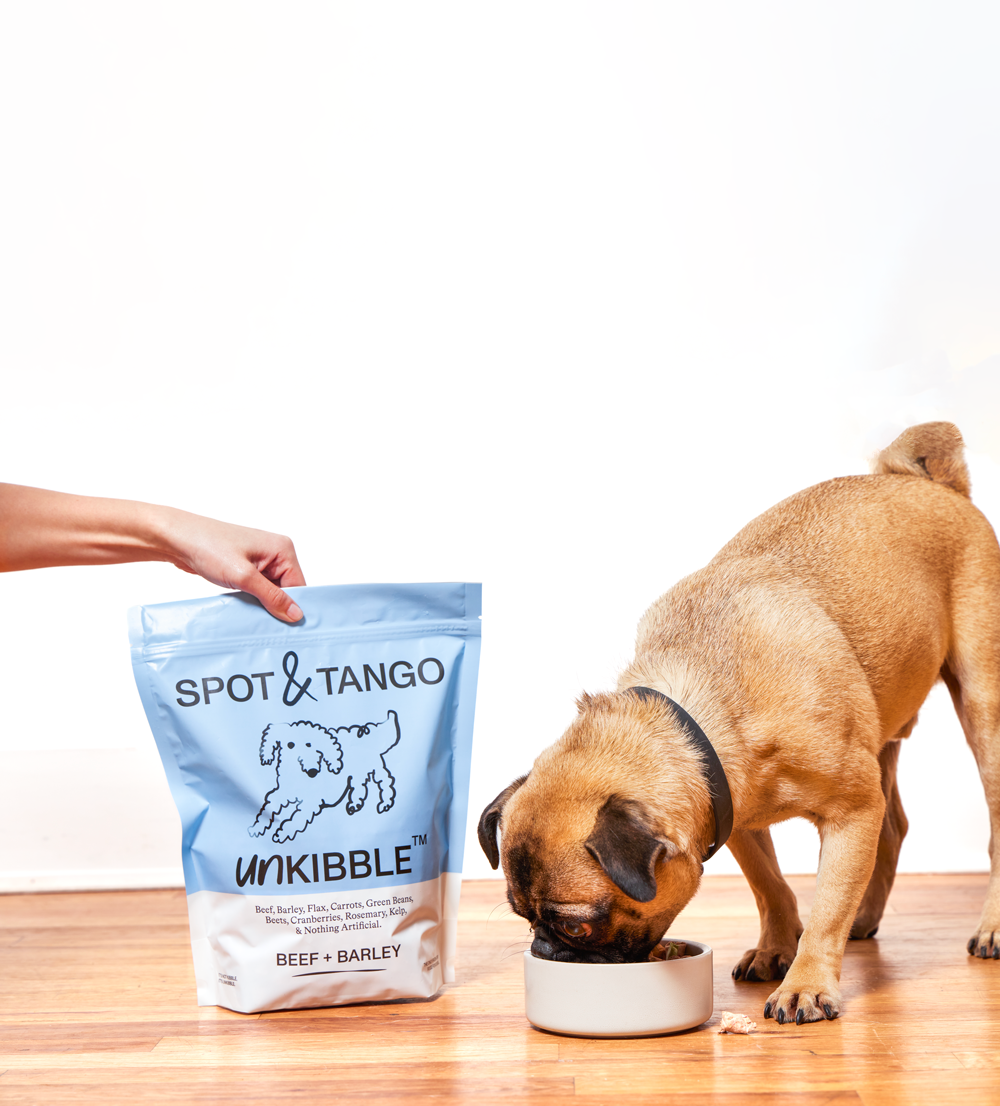
Spot & Tango
9.1Vet-formulated fresh trays and dehydrated UnKibble, portioned to the individual dog.

Lemonade Pet Insurance
9.4The lowest premiums in the category, with claims paid in minutes rather than weeks.
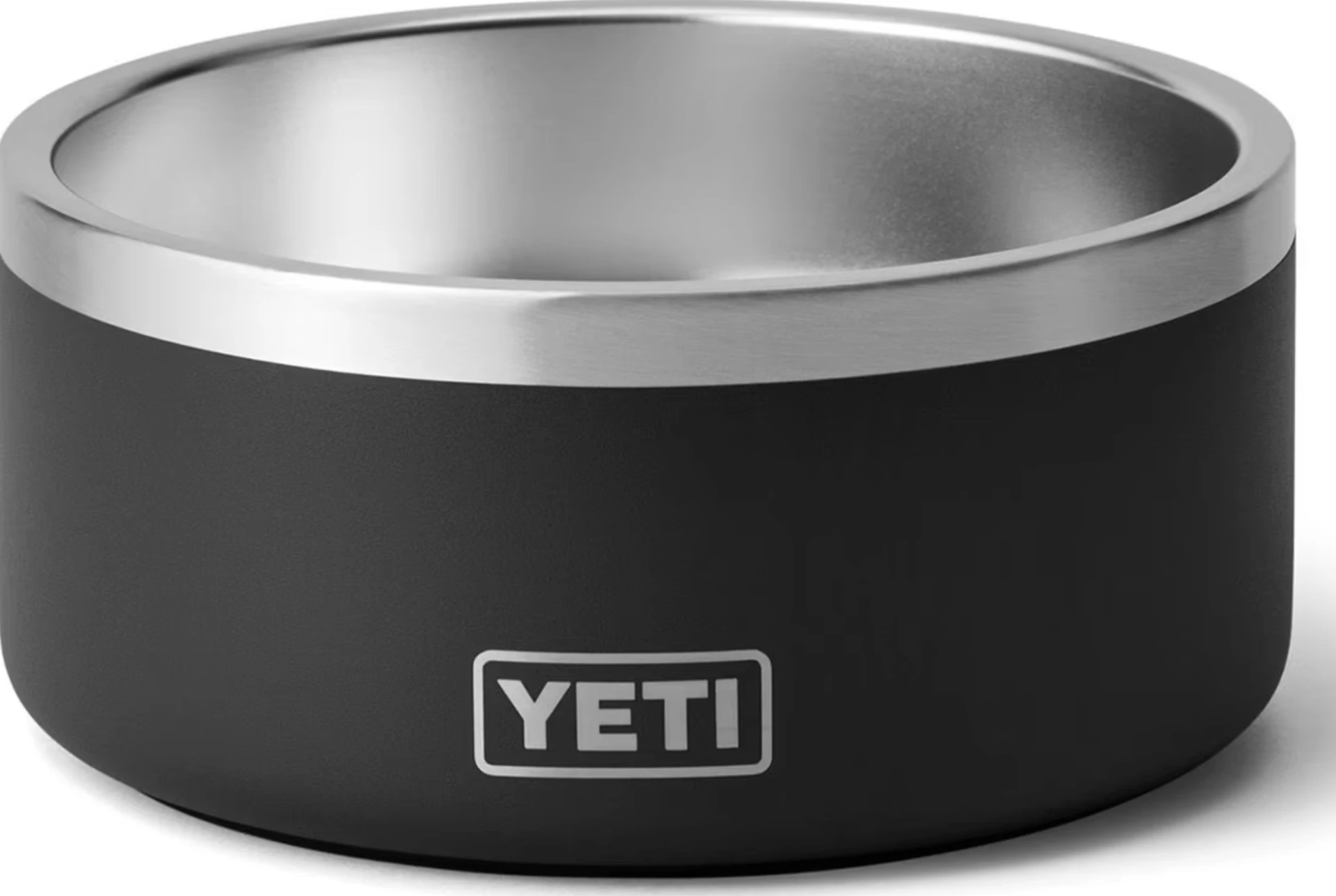
YETI Boomer 4 Dog Bowl
8.518/8 stainless, non-slip ring, dishwasher-safe — the last bowl you buy.
Recommendations are chosen by the Dr Murphies veterinary review board. Some links are affiliate links and we may earn a commission; this never affects our scoring, and brands do not see our copy before publication.
Dr Callum Wright, BVSc, MANZCVS
Feline medicine practitioner