Gastroenterology
Inflammatory Bowel Disease in Cats
Inflammatory bowel disease (IBD) in cats is a chronic condition in which the intestinal lining becomes infiltrated with inflammatory cells, most commonly lymphocytes and plasma cells, disrupting normal digestion and absorption.
By Dr Thomas Nakamura, DVM
13 July 2026
4 min read
Medically reviewed
Reviewed by Dr Mariana Oliveira, DVM, DACVN of the Dr Murphies Veterinary Review Board. Reviewed content is checked against current consensus guidance before publication.
Inflammatory bowel disease (IBD) in cats is a chronic condition in which the intestinal lining becomes infiltrated with inflammatory cells, most commonly lymphocytes and plasma cells, disrupting normal digestion and absorption. It sits on a diagnostic spectrum that overlaps confusingly with dietary intolerance and, at its far end, intestinal lymphoma.
Lymphocytic-Plasmacytic Infiltration Explained
In IBD, the immune system mounts a chronic, inappropriate inflammatory response to normal gut bacteria or dietary proteins, flooding the intestinal wall with lymphocytes and plasma cells. This infiltration thickens the bowel wall and blunts the villi responsible for nutrient absorption, directly causing malabsorption and weight loss.
Chronic inflammation also disrupts normal gut motility, alternating between spasm and sluggishness, which explains why affected cats often cycle between vomiting, soft stool and constipation rather than showing one consistent pattern. Over years, some cases of severe lymphocytic IBD are now understood to represent an early point on the same spectrum as small cell intestinal lymphoma.
Why Vomiting and Weight Loss Go Together
- Intermittent vomiting, often of undigested food several hours after eating
- Chronic soft stool or diarrhoea, sometimes alternating with constipation
- Gradual weight loss despite a normal or increased appetite
- A poor, dull coat from ongoing nutrient malabsorption
- Increased frequency of defecation with visible urgency
Because signs wax and wane over months, owners often normalise them as 'just a sensitive tummy'; any cat with vomiting or diarrhoea persisting beyond two to three weeks warrants proper investigation rather than repeated diet swaps at home.
The IBD-Versus-Lymphoma Question
Blood work, faecal testing and abdominal ultrasound rule out other causes such as parasites, hyperthyroidism and pancreatitis, and ultrasound often shows a thickened intestinal wall or enlarged mesenteric lymph nodes suggestive of IBD. Feline pancreatic lipase and B12/folate levels are checked, since concurrent pancreatitis and cobalamin deficiency are common and treatable alongside.
A definitive diagnosis requires intestinal biopsies, usually obtained via endoscopy or, if deeper layers need sampling, surgical full-thickness biopsy, since histopathology is the only way to reliably distinguish lymphocytic-plasmacytic IBD from low-grade intestinal lymphoma.
Elimination Diets and Targeted Medication
Management is typically stepwise, starting with the least invasive intervention and escalating based on response.
- A novel-protein or hydrolysed elimination diet trialled strictly for six to eight weeks
- Cobalamin (vitamin B12) injections for cats with documented deficiency
- Corticosteroids such as prednisolone to dampen intestinal inflammation
- Chlorambucil, an oral chemotherapy agent, for cases resistant to diet and steroids or overlapping with lymphoma
Monitoring a Chronic, Fluctuating Disease
Strict adherence to a single elimination diet, with absolutely no treats, table scraps or flavoured medication during the trial period, is essential for a fair assessment; even small dietary breaches can mask a genuine response and prolong the diagnostic process unnecessarily.
Long-term, many cats do well on a maintenance version of their trial diet plus a low, tapering dose of steroids, with periodic weight checks and blood work to monitor for medication side effects and disease relapse.
When to seek help urgently
- Repeated vomiting that prevents any food or water from being retained
- Sudden, severe lethargy or collapse
- Black, tarry stool suggesting gastrointestinal bleeding
- Rapid weight loss exceeding 10% of body weight over a short period
Distinguishing IBD from low-grade lymphoma genuinely requires biopsy and histopathology rather than guesswork, so persistent gastrointestinal signs deserve a proper diagnostic work-up with your vet rather than indefinite diet-hopping.
Vet-recommended
Products our review board rates for this
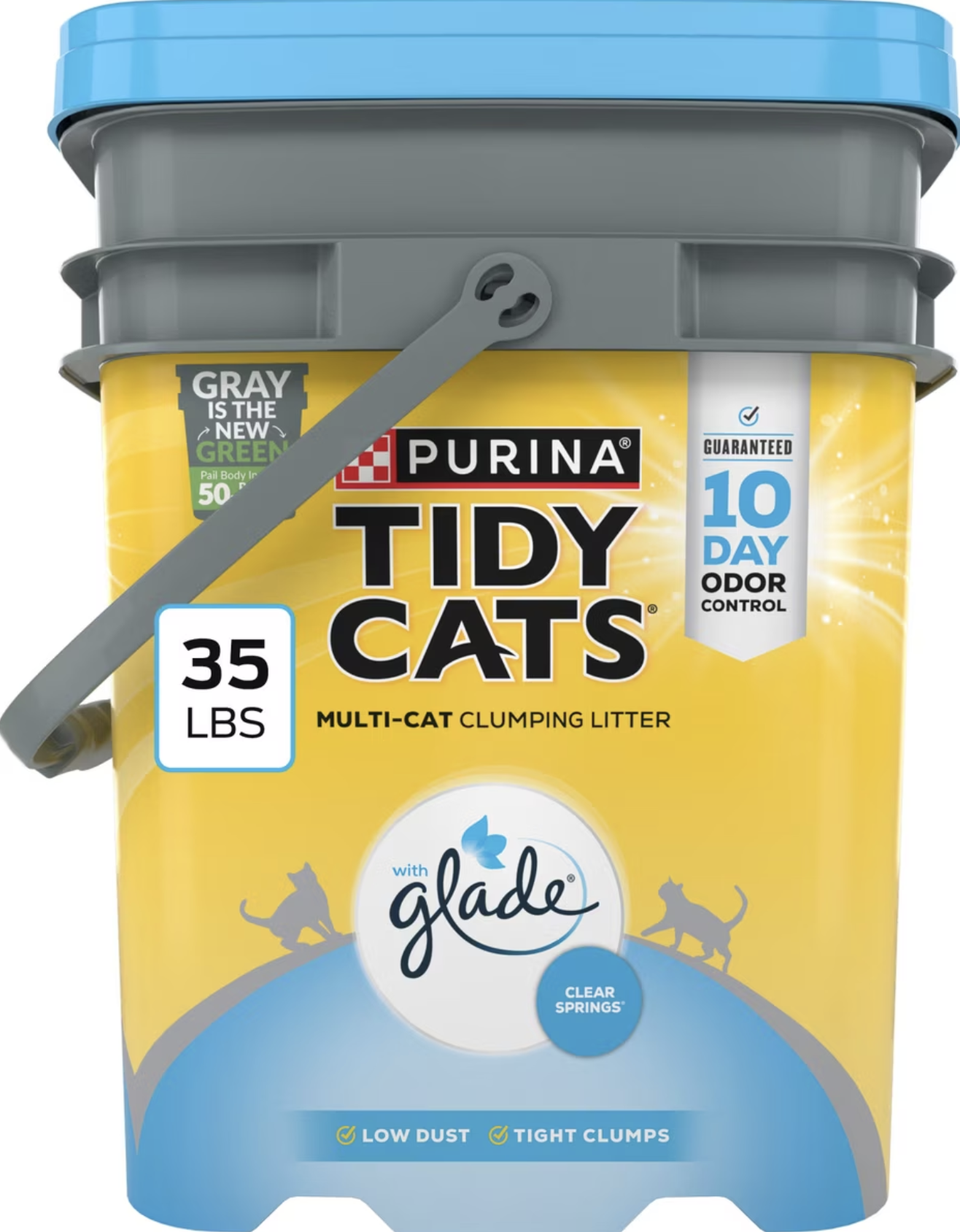
Tidy Cats Glade Clear Springs
7.9Tight clumps, low dust and a ten-day odour guarantee in a 35-lb multi-cat pail.

Lemonade Pet Insurance
9.4The lowest premiums in the category, with claims paid in minutes rather than weeks.
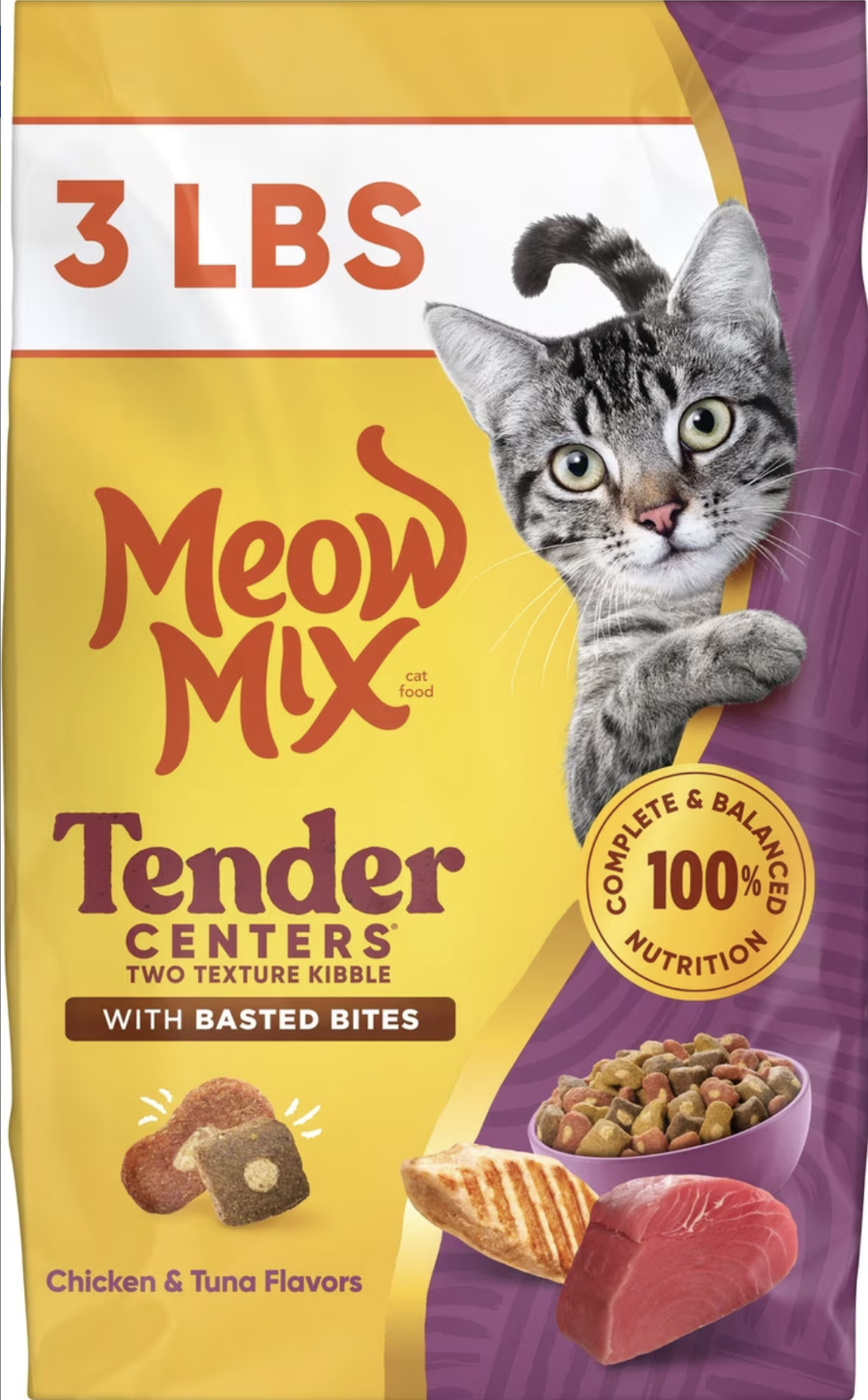
Meow Mix Tender Centers
6.4Crunchy outside, soft centre, chicken and tuna flavoured — the palatability play.
Recommendations are chosen by the Dr Murphies veterinary review board. Some links are affiliate links and we may earn a commission; this never affects our scoring, and brands do not see our copy before publication.
Dr Thomas Nakamura, DVM
Exotic and avian medicine