Neurology
Intervertebral Disc Disease in Dachshunds
Intervertebral disc disease is a leading cause of acute back pain and hind limb paralysis in chondrodystrophic breeds, and Dachshunds carry the highest documented risk of any breed due to a genetic mutation affecting normal disc development.
By Dr Callum Wright, BVSc, MANZCVS
1 August 2026
4 min read
Medically reviewed
Reviewed by Dr Eleanor Murphy, BVSc of the Dr Murphies Veterinary Review Board. Reviewed content is checked against current consensus guidance before publication.
Intervertebral disc disease is a leading cause of acute back pain and hind limb paralysis in chondrodystrophic breeds, and Dachshunds carry the highest documented risk of any breed due to a genetic mutation affecting normal disc development. Roughly a quarter of Dachshunds will show clinical signs of disc disease at some point in their life, most commonly between three and seven years of age, with the thoracolumbar junction being the most frequently affected region.
The Genetic Basis of Early Disc Degeneration
Chondrodystrophic breeds carry a mutation affecting fibroblast growth factor 4 that causes intervertebral discs to undergo premature chondroid metaplasia, converting the normally gel-like nucleus pulposus into a more calcified, brittle material from a very young age, often well before clinical signs appear. This altered disc material is prone to sudden, forceful extrusion through the surrounding annulus fibrosus, a Hansen Type I herniation, which drives fragments directly into the spinal canal and causes acute spinal cord compression and bruising.
Because the degeneration is a generalised process affecting multiple discs simultaneously, dogs that herniate one disc carry a meaningfully elevated risk of herniating another disc at a different spinal level later in life.
Hansen Type I Versus Type II Herniation
- Sudden reluctance to jump, climb stairs or be picked up
- Arched back or tucked abdomen suggesting spinal pain
- Wobbly, uncoordinated hind limb movement (ataxia)
- Dragging of one or both hind paws with scuffed nails
- Complete hind limb paralysis with or without deep pain sensation
The speed of progression matters enormously here, since a dog that is merely wobbly today can lose all deep pain sensation within hours, which is why any sudden change in hind limb function in a Dachshund should be treated as an emergency rather than watched overnight.
Grading Neurological Severity
Neurological examination grades severity from grade 1, pain only, through to grade 5, complete paralysis with loss of deep pain sensation, and this grading directly predicts prognosis and urgency of surgical referral. MRI is the gold-standard imaging modality, precisely localising the herniated disc material and distinguishing disc disease from other causes of acute paresis such as fibrocartilaginous embolism, which requires a very different management approach.
Because deep pain perception is the single most important prognostic factor, a careful, repeated assessment of pain response in the toes of each hind paw is performed before and after imaging to track whether the dog is deteriorating.
The Case for Emergency MRI and Surgery
Treatment decisions are driven heavily by neurological grade, with milder cases sometimes managed conservatively and higher grades requiring urgent decompressive surgery.
- Strict cage rest and anti-inflammatory pain relief for grade 1 to 2 cases
- Emergency hemilaminectomy to remove compressive disc material surgically
- Post-operative physiotherapy including hydrotherapy and assisted standing
- Bladder management, including manual expression, for dogs with paralysis
Recovery, Rehabilitation and Recurrence Risk
Dogs that retain deep pain sensation before surgery have a reported success rate around 90 to 95 percent for regaining the ability to walk, while dogs that have already lost deep pain sensation face a considerably lower and more time-sensitive prognosis, with surgery ideally performed within 24 hours to maximise the chance of recovery. Even successfully treated dogs typically need six to eight weeks of strict rest and structured physiotherapy afterward, since the spinal cord needs time to recover from the compressive injury regardless of how quickly the physical obstruction was removed.
Given the recurrence risk at other disc levels, many owners of at-risk Dachshunds adopt lifelong precautions such as using ramps instead of stairs, avoiding jumping from furniture, and maintaining a lean body weight to reduce strain on the spine.
When to seek help urgently
- Sudden inability to stand or move the hind legs
- Loss of response when toes are firmly pinched (deep pain testing)
- Crying out when the back is touched or the dog is picked up
- Loss of bladder control with continuous dribbling of urine
Because timing so strongly influences outcome in disc disease, any sudden back pain or hind limb weakness in a Dachshund warrants an immediate call to your vet rather than a wait-and-see approach.
Vet-recommended
Products our review board rates for this
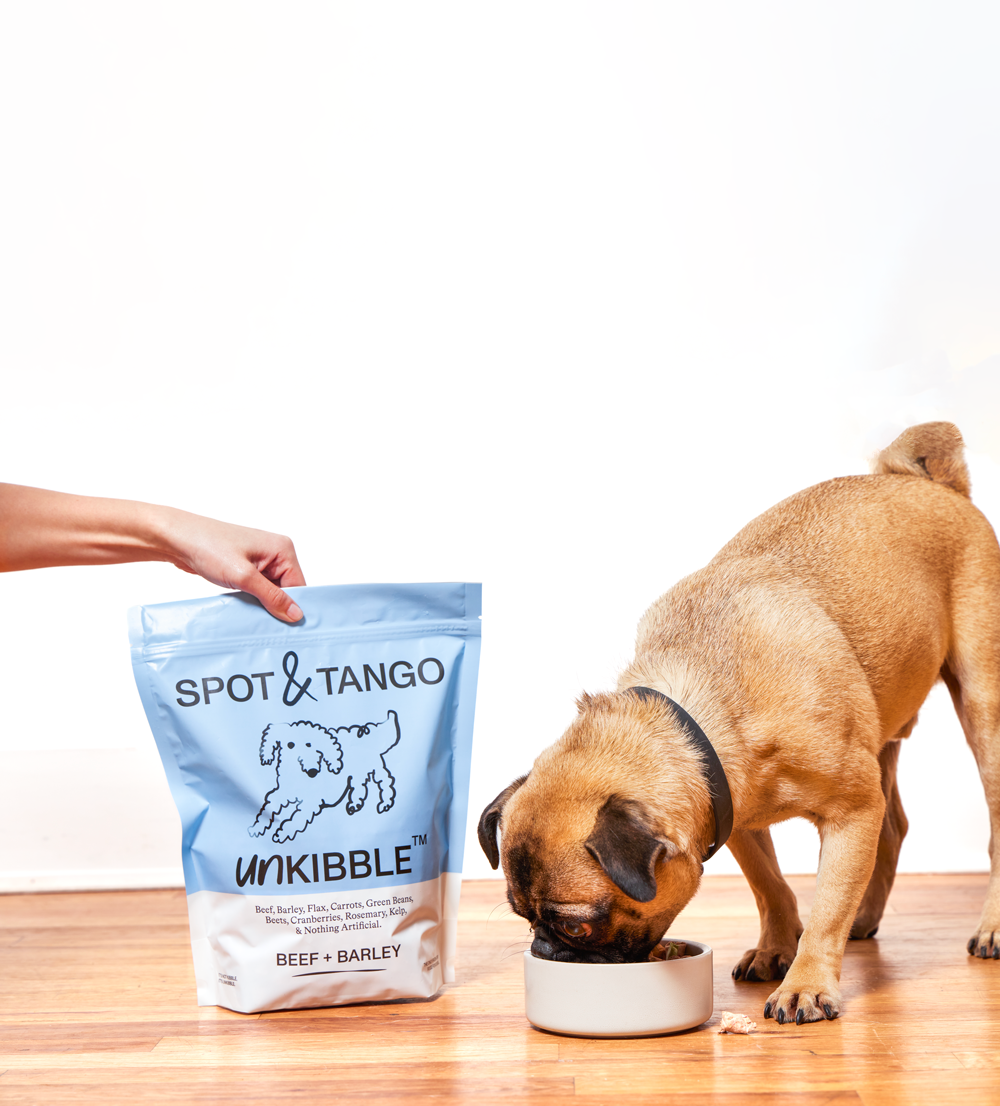
Spot & Tango
9.1Vet-formulated fresh trays and dehydrated UnKibble, portioned to the individual dog.

Lemonade Pet Insurance
9.4The lowest premiums in the category, with claims paid in minutes rather than weeks.
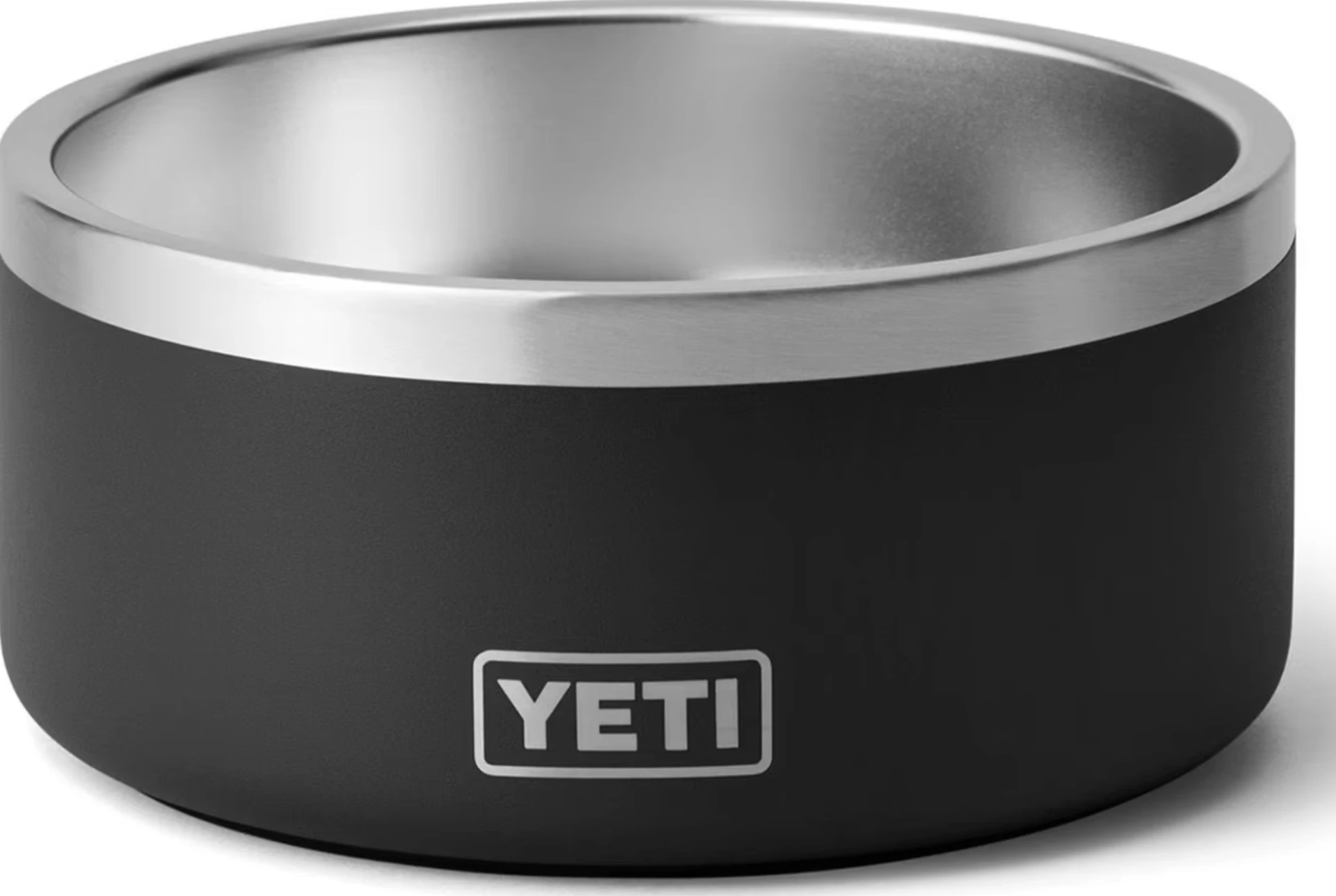
YETI Boomer 4 Dog Bowl
8.518/8 stainless, non-slip ring, dishwasher-safe — the last bowl you buy.
Recommendations are chosen by the Dr Murphies veterinary review board. Some links are affiliate links and we may earn a commission; this never affects our scoring, and brands do not see our copy before publication.
Dr Callum Wright, BVSc, MANZCVS
Feline medicine practitioner