Respiratory
Laryngeal Paralysis in Older Labradors
Laryngeal paralysis is a progressive neuromuscular disease in which the nerves controlling the muscles that open the larynx during breathing gradually fail, leaving the arytenoid cartilages unable to abduct properly and creating a fixed, partial airway obstruction.
By Dr Noor Haddad, DVM, DACVD
3 July 2026
4 min read

Medically reviewed
Reviewed by Dr Noor Haddad, DVM, DACVD of the Dr Murphies Veterinary Review Board. Reviewed content is checked against current consensus guidance before publication.
Laryngeal paralysis is a progressive neuromuscular disease in which the nerves controlling the muscles that open the larynx during breathing gradually fail, leaving the arytenoid cartilages unable to abduct properly and creating a fixed, partial airway obstruction. It is seen classically in older, large-breed dogs, with Labrador Retrievers particularly over-represented, and is increasingly recognised as often being an early manifestation of a broader condition called geriatric onset laryngeal paralysis polyneuropathy affecting multiple nerves beyond just the larynx.
A Failing Nerve Supply to the Airway
The recurrent laryngeal nerve controls the muscles responsible for abducting, or opening, the arytenoid cartilages during inhalation, allowing air to flow freely into the trachea. In laryngeal paralysis, progressive degeneration of this nerve, often as part of a wider polyneuropathy affecting the whole body's peripheral nerves, causes the arytenoids to remain passively positioned near the midline, significantly narrowing the airway precisely when the dog needs it to open widest, during exertion or heat stress.
Because this is fundamentally a neurological rather than purely mechanical problem, many affected dogs also show subtle signs of generalised weakness, hind limb muscle wasting or a change in bark quality that reflects the broader polyneuropathy underlying the laryngeal component.
Why Signs Worsen With Heat and Exertion
- Increasingly harsh, raspy breathing sounds, especially on inhalation
- A noticeably changed, quieter or hoarse bark
- Reduced exercise tolerance with rapid tiring on walks
- Coughing or gagging, particularly around eating or drinking
- Episodes of severe respiratory distress in hot weather
Because signs progress gradually over months, many owners initially attribute the raspier breathing and reduced stamina to normal ageing, only recognising the severity of the problem when a hot day or excited episode triggers a genuine respiratory crisis.
Laryngeal Examination Under Light Sedation
Diagnosis is confirmed by direct laryngoscopic examination under a light plane of sedation, during which the vet watches for normal abduction of the arytenoid cartilages during inhalation; in true paralysis, the cartilages remain still or move paradoxically inward rather than opening with each breath. Because laryngeal paralysis often occurs alongside oesophageal dysfunction as part of the wider polyneuropathy, some specialists also recommend a barium swallow study or fluoroscopy to check for concurrent megaoesophagus, which significantly affects anaesthetic and post-operative risk planning.
A general neurological examination assessing gait, proprioception and reflexes helps identify the broader polyneuropathy signs that frequently accompany laryngeal paralysis in older large-breed dogs, informing a more complete prognosis discussion with the owner.
The Tie-Back Surgery That Restores Airflow
Surgical correction is the mainstay of treatment for dogs with significant airway obstruction, since the underlying nerve degeneration itself cannot be reversed.
- Unilateral arytenoid lateralisation ('tie-back') surgery to permanently widen the airway
- Strict weight management to reduce airway resistance and breathing effort
- Avoidance of heat, humidity and strenuous exercise post-diagnosis
- Management of concurrent megaoesophagus if present, including elevated feeding
Post-Surgical Risks and Lifestyle Adjustments
Tie-back surgery dramatically improves airway diameter and exercise tolerance in most dogs, though it permanently compromises the larynx's normal protective function during swallowing, creating a lifelong elevated risk of aspiration pneumonia that owners must manage with modified feeding practices such as smaller, moistened meals fed from an elevated position. Dogs with concurrent megaoesophagus or significant generalised polyneuropathy carry a more guarded prognosis, since aspiration risk and overall weakness compound the surgical recovery challenges beyond the airway itself.
Even without surgery, dogs with mild disease can sometimes be managed for a period through weight control, harness use, avoiding hot weather exercise and having emergency sedation protocols on hand for crisis episodes, though this approach carries an ongoing risk of a sudden severe respiratory event.
When to seek help urgently
- Blue or purple gums with severe respiratory distress, especially in heat
- Collapse following exercise or excitement
- Body temperature that feels dangerously hot with inability to cool down
- Persistent coughing or choking suggesting aspiration pneumonia
Laryngeal paralysis is a serious but often surgically correctable condition, and an early conversation with your vet about laryngeal examination gives the best chance of intervening before a heat-related respiratory crisis occurs.
Vet-recommended
Products our review board rates for this
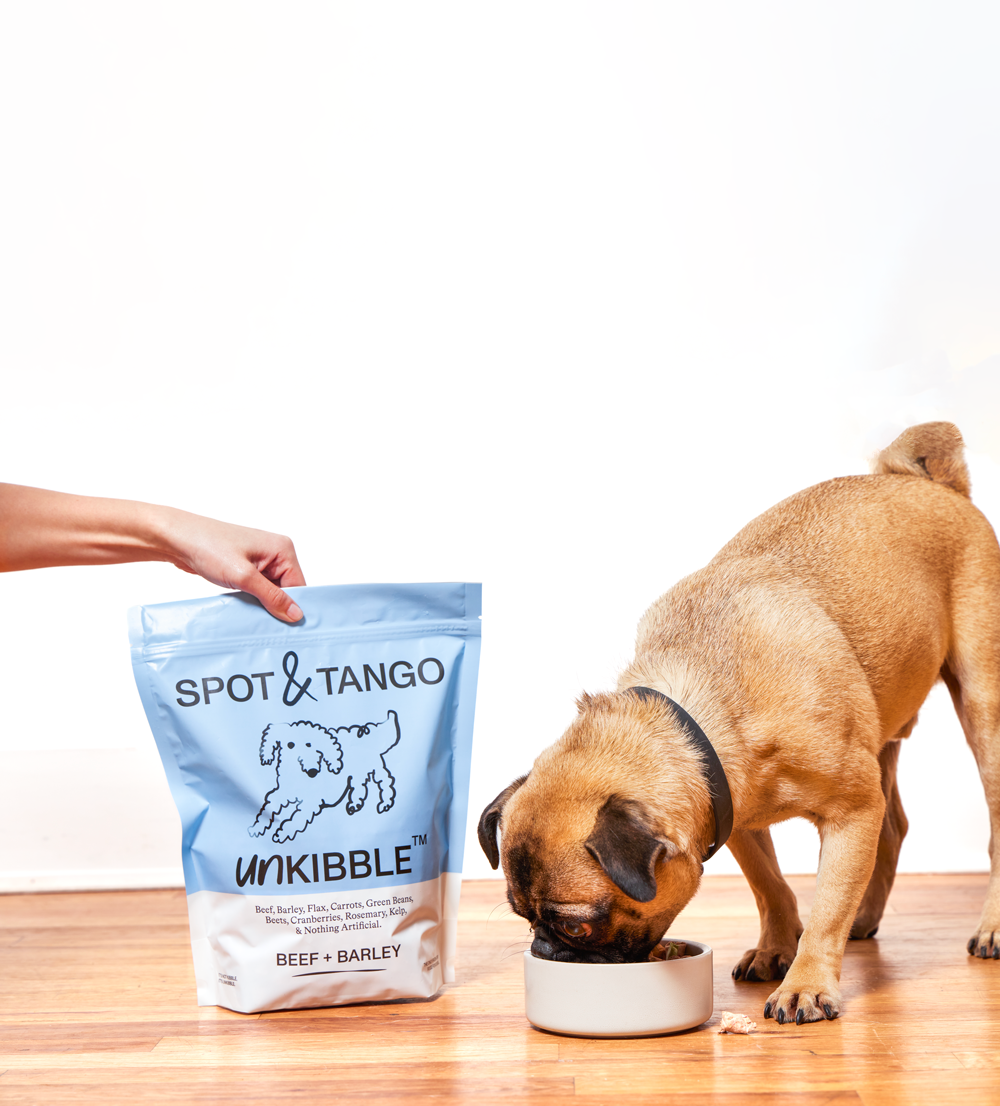
Spot & Tango
9.1Vet-formulated fresh trays and dehydrated UnKibble, portioned to the individual dog.

Lemonade Pet Insurance
9.4The lowest premiums in the category, with claims paid in minutes rather than weeks.

YETI Boomer 4 Dog Bowl
8.518/8 stainless, non-slip ring, dishwasher-safe — the last bowl you buy.
Recommendations are chosen by the Dr Murphies veterinary review board. Some links are affiliate links and we may earn a commission; this never affects our scoring, and brands do not see our copy before publication.
Dr Noor Haddad, DVM, DACVD
Veterinary dermatologist