Behaviour
Litter Box Aversion as a Medical Symptom
A cat urinating or defaecating outside the litter tray is frequently labelled a behavioural problem, but in a large proportion of cases the underlying cause is medical pain associated with elimination itself.
By Dr Callum Wright, BVSc, MANZCVS
26 May 2026
4 min read
Medically reviewed
Reviewed by Dr Eleanor Murphy, BVSc of the Dr Murphies Veterinary Review Board. Reviewed content is checked against current consensus guidance before publication.
A cat urinating or defaecating outside the litter tray is frequently labelled a behavioural problem, but in a large proportion of cases the underlying cause is medical pain associated with elimination itself. Ruling out physical illness before assuming a purely behavioural cause is essential, since punishing or relocating a genuinely sick cat only compounds the problem.
Pain as the Hidden Driver of a Behaviour Problem
Conditions such as cystitis, urinary crystals, constipation or arthritis all make the physical act of squatting or straining in a litter tray painful. Cats are highly capable of forming negative associations quickly, and once the tray itself becomes linked in the cat's mind with discomfort, it may begin eliminating elsewhere even after the original medical issue starts to resolve.
Arthritic cats specifically often struggle with the physical mechanics of climbing into a high-sided tray or squatting comfortably, leading them to eliminate just outside the tray or on a softer, more accessible surface such as a bathmat or bed, which is easily misread as pure preference.
Why Cats Learn to Associate the Tray With Discomfort
- Urinating or defaecating just outside the tray rather than elsewhere in the house
- Straining, vocalising or spending unusually long periods in the tray
- Increased frequency of small urinations, suggestive of cystitis
- Avoidance of a high-sided tray in a cat with known joint stiffness
- Blood visible in urine or stool passed outside the tray
The specific location and pattern of inappropriate elimination offers real diagnostic clues: urination just outside the tray suggests pain-associated avoidance, while widespread marking on vertical surfaces points more toward a purely behavioural or territorial cause.
The Medical Work-Up Before Any Behavioural Plan
A full urinalysis, including specific gravity and sediment examination, screens for crystals, infection and inflammation, while blood work checks kidney function and rules out diabetes as a cause of increased urination frequency. Abdominal palpation and, if indicated, radiographs assess for constipation, bladder stones or arthritis affecting the spine and hips.
Only once these medical causes are genuinely excluded should the case be approached as a primary behavioural or stress-related litter aversion, since treating a medically painful cat with behavioural modification alone will not resolve the underlying discomfort driving the avoidance.
Treating the Underlying Condition First
Because the driving cause varies so widely, treatment must be matched specifically to whatever medical condition is identified before any behavioural retraining begins.
- Treatment of confirmed cystitis, crystals or infection with appropriate diet and medication
- Pain relief and environmental modification such as low-sided trays for arthritic cats
- Laxatives or dietary fibre adjustment for cats with underlying constipation
- A larger, uncovered tray with unscented litter once medical issues are resolved, to rebuild positive association
Rebuilding a Positive Litter Tray Association
Providing one tray per cat plus one extra, placed in quiet, easily accessible locations away from noisy appliances, reduces stress-related avoidance in multi-cat households considerably, independent of any medical factor.
Once a medical cause has been treated, thoroughly cleaning any soiled areas with an enzymatic cleaner (not ammonia-based products, which can smell like urine to a cat) helps prevent the same spot being chosen again out of habit.
When to seek help urgently
- Straining with no urine produced, particularly in a male cat, which can indicate a life-threatening blockage
- Blood in urine or stool combined with visible pain
- Complete inability to pass stool for more than two days
- Sudden, dramatic increase in elimination frequency alongside lethargy
Because inappropriate elimination so often signals genuine pain, a full veterinary medical work-up should always come before assuming a purely behavioural cause, and your vet can guide which tests are needed for your cat's specific pattern.
Vet-recommended
Products our review board rates for this
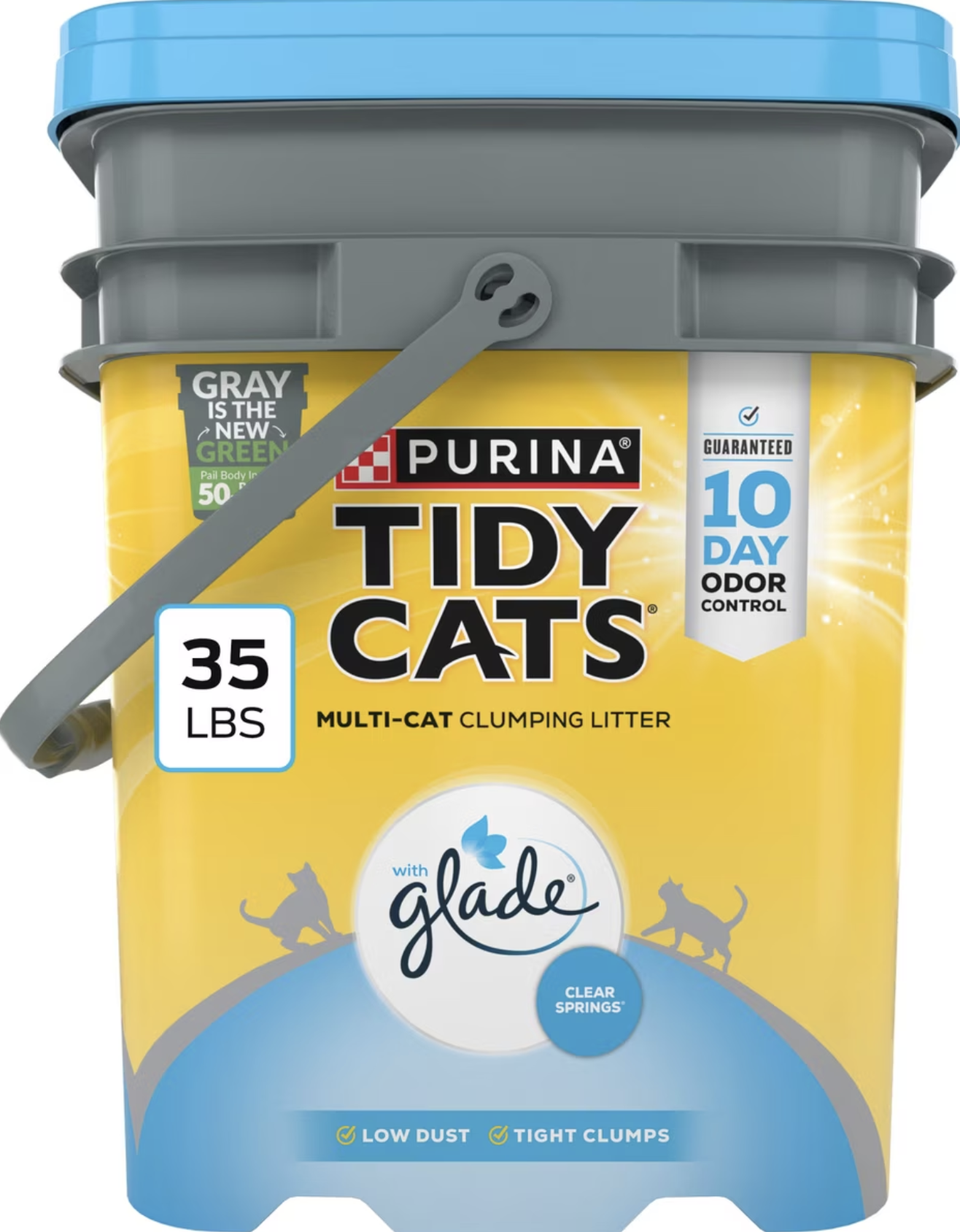
Tidy Cats Glade Clear Springs
7.9Tight clumps, low dust and a ten-day odour guarantee in a 35-lb multi-cat pail.

Lemonade Pet Insurance
9.4The lowest premiums in the category, with claims paid in minutes rather than weeks.

Meow Mix Tender Centers
6.4Crunchy outside, soft centre, chicken and tuna flavoured — the palatability play.
Recommendations are chosen by the Dr Murphies veterinary review board. Some links are affiliate links and we may earn a commission; this never affects our scoring, and brands do not see our copy before publication.
Dr Callum Wright, BVSc, MANZCVS
Feline medicine practitioner