Orthopaedics
Luxating Patella in Small Breeds: A Complete Guide
A luxating patella occurs when the kneecap slips out of its normal groove on the front of the femur, most commonly toward the inside of the leg in toy and small breeds such as Chihuahuas, Pomeranians and Yorkshire Terriers.
By Dr Thomas Nakamura, DVM
13 August 2026
4 min read
Medically reviewed
Reviewed by Dr Noor Haddad, DVM, DACVD of the Dr Murphies Veterinary Review Board. Reviewed content is checked against current consensus guidance before publication.
A luxating patella occurs when the kneecap slips out of its normal groove on the front of the femur, most commonly toward the inside of the leg in toy and small breeds such as Chihuahuas, Pomeranians and Yorkshire Terriers. In most cases the problem is developmental rather than traumatic, arising from a shallow trochlear groove and misaligned quadriceps mechanism present from puppyhood. Severity ranges from an occasional skip in the stride to a permanently displaced kneecap.
Why the Kneecap Slips
The patella normally glides within the trochlear groove of the femur, held in line by the quadriceps muscle group and the patellar ligament running down to the tibial tuberosity. In affected dogs, a shallow or malformed groove combined with a tibial tuberosity that sits rotated medially creates a mechanical pull that draws the kneecap out of alignment with each step.
Once the patella starts slipping medially, the groove itself can wear shallower over time and the medial joint capsule stretches, making luxation progressively easier and more frequent, which is why grade 1 cases can slowly worsen without intervention.
The Telltale Skipping Gait
- Intermittent skipping or hopping on one hind leg mid-stride
- Sudden holding up of the leg followed by normal walking again
- Bow-legged or knock-kneed stance in more advanced cases
- Audible clicking felt when the vet manipulates the knee
- Reduced willingness to jump or use stairs over time
Because dogs often shake the leg once and resume normal walking, many owners assume the skip is a one-off quirk rather than the visible sign of a kneecap slipping in and out of place.
Grading the Severity
Vets grade luxating patella from I to IV based on manual manipulation of the stifle: grade I luxates only with manual pressure and reduces spontaneously, while grade IV is permanently displaced and cannot be manually reduced. Radiographs assess the degree of tibial tuberosity rotation and rule out concurrent hip or cruciate ligament disease, which occurs more often in dogs with chronic patellar instability.
Orthopaedic examination also checks cranial drawer movement, since chronically unstable knees place abnormal strain on the cranial cruciate ligament and dogs with luxating patellas have a measurably higher rate of cruciate rupture.
Conservative Care vs Surgical Correction
Treatment decisions hinge on grade, with low-grade, non-painful cases often managed conservatively while higher grades typically need surgical correction.
- Weight management and controlled exercise for grade I cases
- Trochleoplasty to deepen an abnormally shallow femoral groove
- Tibial tuberosity transposition to realign the patellar ligament pull
- Post-operative physiotherapy to rebuild quadriceps strength and range of motion
Recovery and Long-Term Outlook
Surgical correction for grade II to IV luxation carries a good prognosis, with most dogs bearing weight within a week and returning to full activity by eight to twelve weeks, provided strict exercise restriction is followed during healing. Grade I and mild grade II cases without lameness are often simply monitored, since surgery carries its own risks and many dogs live comfortably without ever needing an operation.
Bilateral surgery, when both knees are affected, is sometimes staged a few weeks apart rather than performed simultaneously, to give the dog one functional leg to bear weight on during each recovery period.
When to seek help urgently
- Sudden inability to bear any weight on the affected leg
- Visible deformity or grinding sensation during movement
- Signs of pain such as crying or reluctance to be touched
- Rapid worsening from occasional skipping to constant lameness
Luxating patella ranges from a minor quirk to a genuine orthopaedic problem, and only a hands-on examination by your vet can determine the grade and the right course of action for your dog.
Vet-recommended
Products our review board rates for this
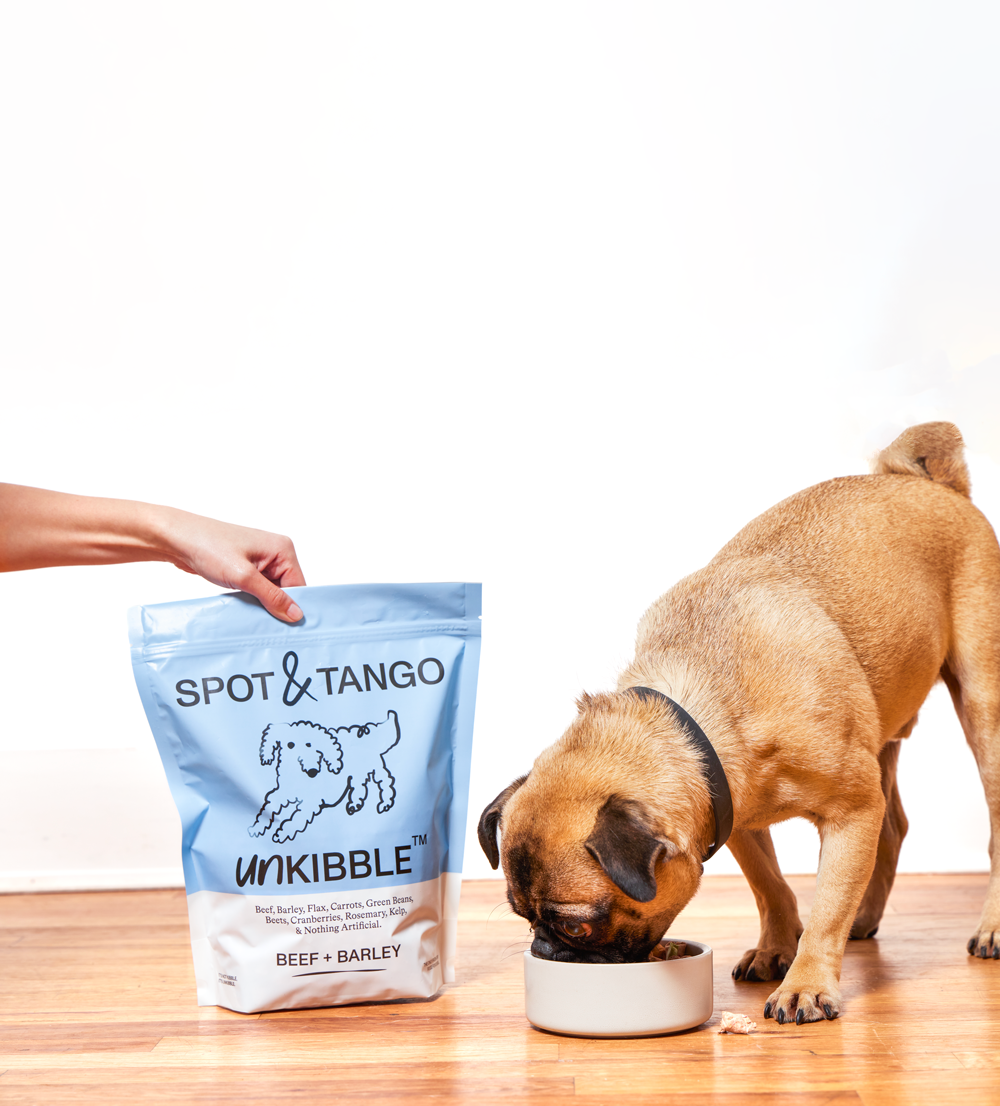
Spot & Tango
9.1Vet-formulated fresh trays and dehydrated UnKibble, portioned to the individual dog.

Lemonade Pet Insurance
9.4The lowest premiums in the category, with claims paid in minutes rather than weeks.
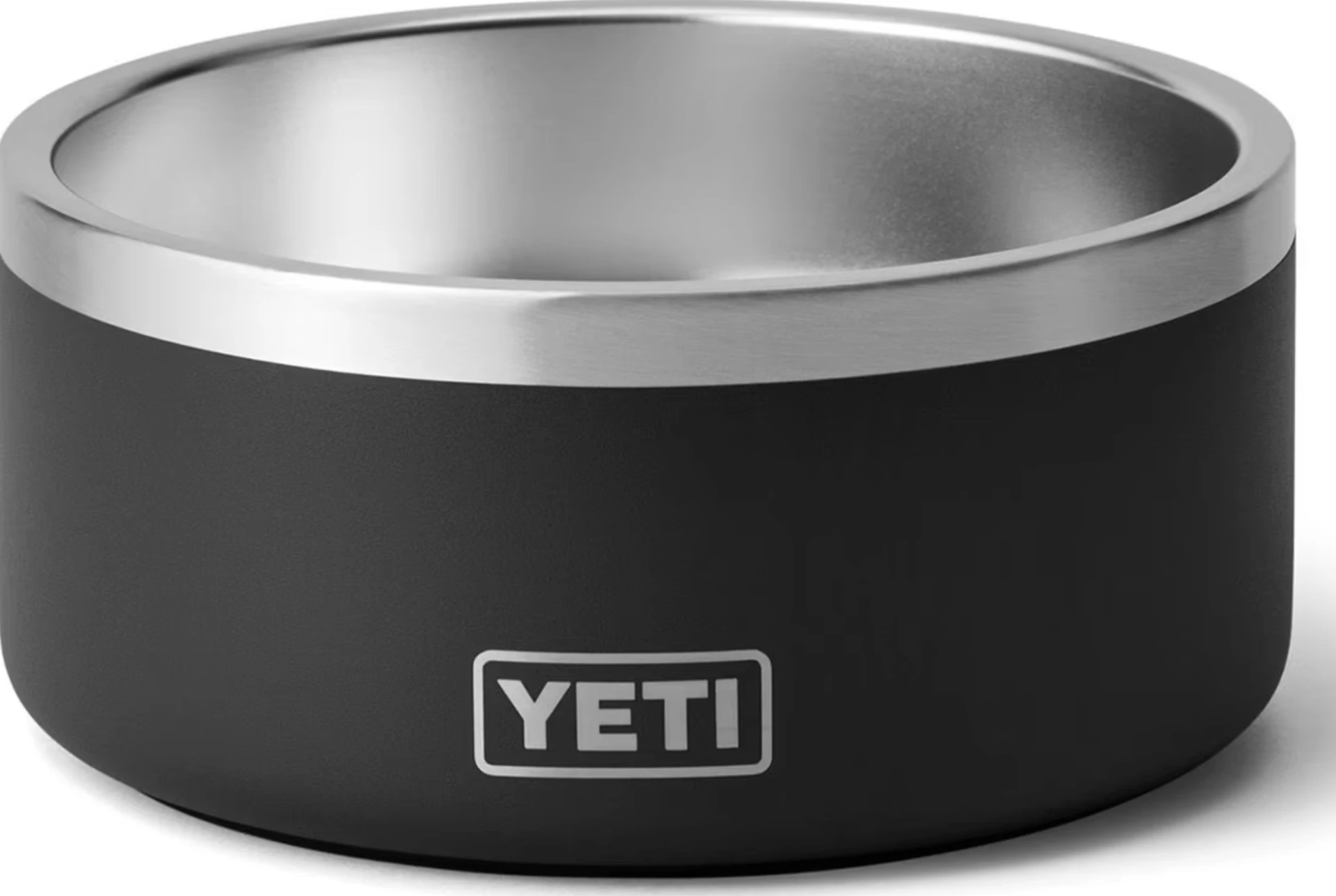
YETI Boomer 4 Dog Bowl
8.518/8 stainless, non-slip ring, dishwasher-safe — the last bowl you buy.
Recommendations are chosen by the Dr Murphies veterinary review board. Some links are affiliate links and we may earn a commission; this never affects our scoring, and brands do not see our copy before publication.
Dr Thomas Nakamura, DVM
Exotic and avian medicine