Parasites
Lyme Disease in Dogs: Tick Season Realities
Lyme disease in dogs is caused by the spirochete bacterium Borrelia burgdorferi, transmitted through the prolonged attachment and feeding of infected Ixodes ticks, commonly known as deer ticks or black-legged ticks.
By Dr Mariana Oliveira, DVM, DACVN
30 July 2026
4 min read

Medically reviewed
Reviewed by Dr Eleanor Murphy, BVSc of the Dr Murphies Veterinary Review Board. Reviewed content is checked against current consensus guidance before publication.
Lyme disease in dogs is caused by the spirochete bacterium Borrelia burgdorferi, transmitted through the prolonged attachment and feeding of infected Ixodes ticks, commonly known as deer ticks or black-legged ticks. Importantly, transmission typically requires the tick to remain attached and feeding for 24 to 48 hours, meaning prompt tick removal after outdoor activity significantly reduces infection risk even in heavily tick-infested areas. Most infected dogs never show clinical signs at all, which complicates both diagnosis and public understanding of the disease.
How Prolonged Tick Attachment Transmits Infection
When an infected Ixodes tick attaches, Borrelia burgdorferi initially resides in the tick's midgut and requires the blood meal to trigger changes in surface proteins that allow the bacteria to migrate to the salivary glands, a process that takes roughly a day or two. This delay explains why same-day tick checks and prompt removal are such an effective preventive measure, since infection risk climbs steeply only after the attachment window extends beyond 24 hours.
Once transmitted, spirochetes can disseminate through connective tissue near joints, triggering an immune-mediated inflammatory response that produces the characteristic recurrent, shifting lameness in the minority of dogs that do develop clinical Lyme disease.
Why Most Infected Dogs Stay Asymptomatic
- Shifting-leg lameness that moves between limbs over days
- Swollen, warm joints without a clear traumatic cause
- Fever alongside reduced appetite and lethargy
- Generalised stiffness or reluctance to move
- Swollen lymph nodes near the site of a recent tick bite
Fewer than 10 percent of dogs that test positive for Borrelia exposure ever develop clinical signs, so a positive antibody test alone in an otherwise healthy dog does not necessarily mean treatment is required.
The Distinctive Shifting-Leg Lameness
Diagnosis relies on a combination of clinical signs and a quantitative C6 antibody test, which detects antibodies against a specific Borrelia surface protein and can distinguish natural infection from prior vaccination, unlike older whole-cell antibody tests. Because a positive C6 result only confirms exposure rather than active clinical disease, vets weigh the test result alongside compatible clinical signs and, in some cases, urine protein-to-creatinine ratio testing to screen for the rare but serious Lyme nephritis complication.
Lyme nephritis, an immune-complex glomerulonephritis linked to Borrelia infection, is uncommon but carries a poor prognosis, which is why persistent proteinuria in a Lyme-positive dog warrants prompt, thorough investigation rather than routine antibiotic treatment alone.
Serology Testing and Its Limitations
Treatment is reserved for dogs showing compatible clinical signs alongside a positive test, since treating every seropositive but healthy dog is not currently recommended practice.
- Doxycycline for a minimum of four weeks as first-line therapy
- Anti-inflammatory pain relief during the acute lameness phase
- Monitoring urine protein levels in dogs with confirmed infection
- Year-round tick prevention with an isoxazoline or repellent product
Antibiotic Treatment and the Nephritis Concern
Most dogs treated with doxycycline show clinical improvement within a few days, though this rapid response does not necessarily mean the organism has been fully eliminated, and some dogs experience recurrent signs requiring further treatment. Because antibody titres can remain positive for years after successful treatment, repeat testing is not generally useful for confirming cure, and ongoing clinical monitoring is the more practical approach to assessing treatment success.
Vaccination against Lyme disease is available and reasonable to consider for dogs in high-endemic regions with significant outdoor exposure, though it works best as one layer of protection alongside, not instead of, consistent tick prevention.
When to seek help urgently
- Sudden severe lethargy with marked joint swelling and fever
- Reduced urination or vomiting suggesting possible kidney involvement
- Rapid, unexplained weight loss in a Lyme-positive dog
- Generalised swelling of the limbs (suggestive of protein loss)
Lyme disease is generally manageable when clinical signs are correctly identified and treated, but interpreting a positive test result and deciding on treatment is best done with your vet's guidance rather than in isolation.
Vet-recommended
Products our review board rates for this
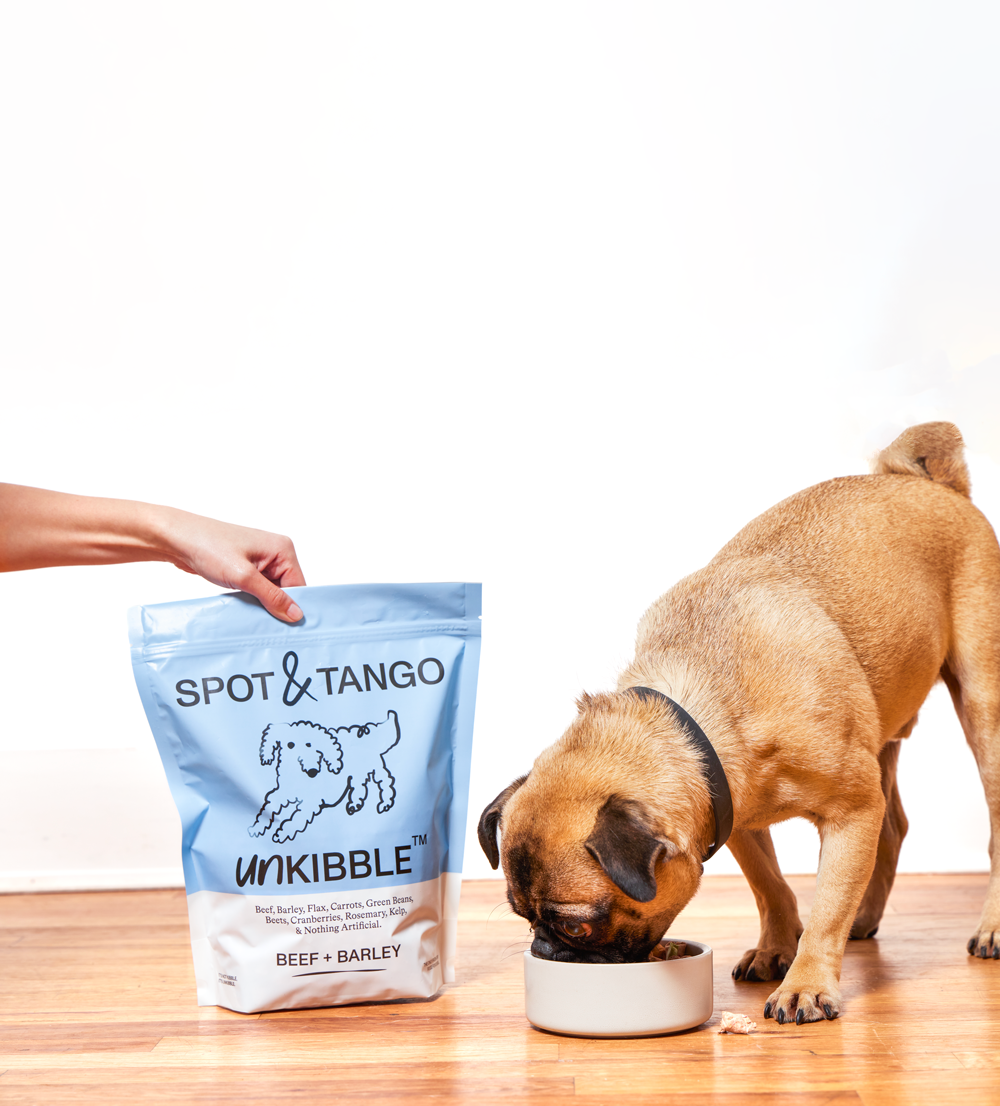
Spot & Tango
9.1Vet-formulated fresh trays and dehydrated UnKibble, portioned to the individual dog.

Lemonade Pet Insurance
9.4The lowest premiums in the category, with claims paid in minutes rather than weeks.

YETI Boomer 4 Dog Bowl
8.518/8 stainless, non-slip ring, dishwasher-safe — the last bowl you buy.
Recommendations are chosen by the Dr Murphies veterinary review board. Some links are affiliate links and we may earn a commission; this never affects our scoring, and brands do not see our copy before publication.
Dr Mariana Oliveira, DVM, DACVN
Veterinary nutritionist