Aggression
Reactive Dogs on Lead: Distance Is Medicine
Leash reactivity, whether barking, lunging or growling at other dogs or people, is almost always a fear or frustration response amplified by the restriction of the lead itself, which removes a dog's normal option to increase distance or flee.
By Dr Mariana Oliveira, DVM, DACVN
23 February 2026
4 min read

Medically reviewed
Reviewed by Dr Samuel Adeyemi, DVM, DACVIM of the Dr Murphies Veterinary Review Board. Reviewed content is checked against current consensus guidance before publication.
Leash reactivity, whether barking, lunging or growling at other dogs or people, is almost always a fear or frustration response amplified by the restriction of the lead itself, which removes a dog's normal option to increase distance or flee. Managing the distance at which triggers appear is the single most effective lever available.
Why the Lead Makes Reactivity Worse
On lead, a dog loses the ability to curve away, sniff, or retreat when a trigger appears, which converts a normal avoidance strategy into a trapped feeling that escalates quickly into barking or lunging, a phenomenon sometimes called leash frustration or barrier reactivity.
Behaviour adjustment training and 'look at that' protocols work by rewarding calm noticing of a trigger at a distance where the dog remains under threshold, gradually decreasing distance only as calm responses become reliable, rather than flooding the dog with close exposure.
Finding a Dog's Working Threshold
- Barking or lunging toward other dogs specifically when on lead
- Reactivity that disappears or reduces markedly when off lead in the same context
- Fixed staring, a stiffened body and a raised tail before an outburst
- Redirected nipping toward the handler or lead during high arousal
- Recovery time of many minutes after a triggering dog has passed
Map the distance at which a dog first notices a trigger versus the distance at which it reacts, since this working threshold is the number every training session should be built around rather than guessed at.
The BAT and LAT Approaches
A behaviourist distinguishes fear-based reactivity from frustrated greeting behaviour, since a dog desperate to approach and play presents very differently on close video review to one trying to increase distance, and the training plans for each differ substantially.
Pain assessment matters here too, as orthopaedic discomfort or ear and dental disease can lower a reactive dog's tolerance threshold considerably, so a veterinary check is standard before committing to a purely behavioural plan.
Equipment That Helps Versus Hinders
The working principle is simple: find the distance at which a trigger can be noticed without a reaction, reward calm engagement at that distance, and decrease distance in small increments over weeks, not days.
- Practise the 'look at that' cue, rewarding a glance toward the trigger then back
- Use a front-clip harness to reduce pulling without adding throat pressure
- Choose walking routes and times that allow control over trigger distance
- Reward automatically for calm walking near a trigger, not just after asking for it
Building Duration and Proximity Slowly
Quiet, low-traffic walking routes and early morning timing dramatically reduce unplanned close encounters while a dog is still working through the early stages of the programme, and this management step matters as much as any single training exercise.
Track threshold distance over successive weeks rather than judging progress by any single walk, since reactive dogs have variable days and a single setback after several good weeks does not indicate the plan has failed.
When to seek help urgently
- A bite or attempted bite toward a person or another dog while on lead
- Reactivity that has generalised rapidly to a wide range of new triggers
- Redirected biting toward the handler during a reactive episode
- Sudden new reactivity in a previously calm adult dog, suggesting pain or illness
Because reactivity carries bite risk in close quarters, work with your own veterinarian or a qualified behaviourist to design a safe, individually tailored distance-based plan.
Vet-recommended
Products our review board rates for this

Lemonade Pet Insurance
9.4The lowest premiums in the category, with claims paid in minutes rather than weeks.
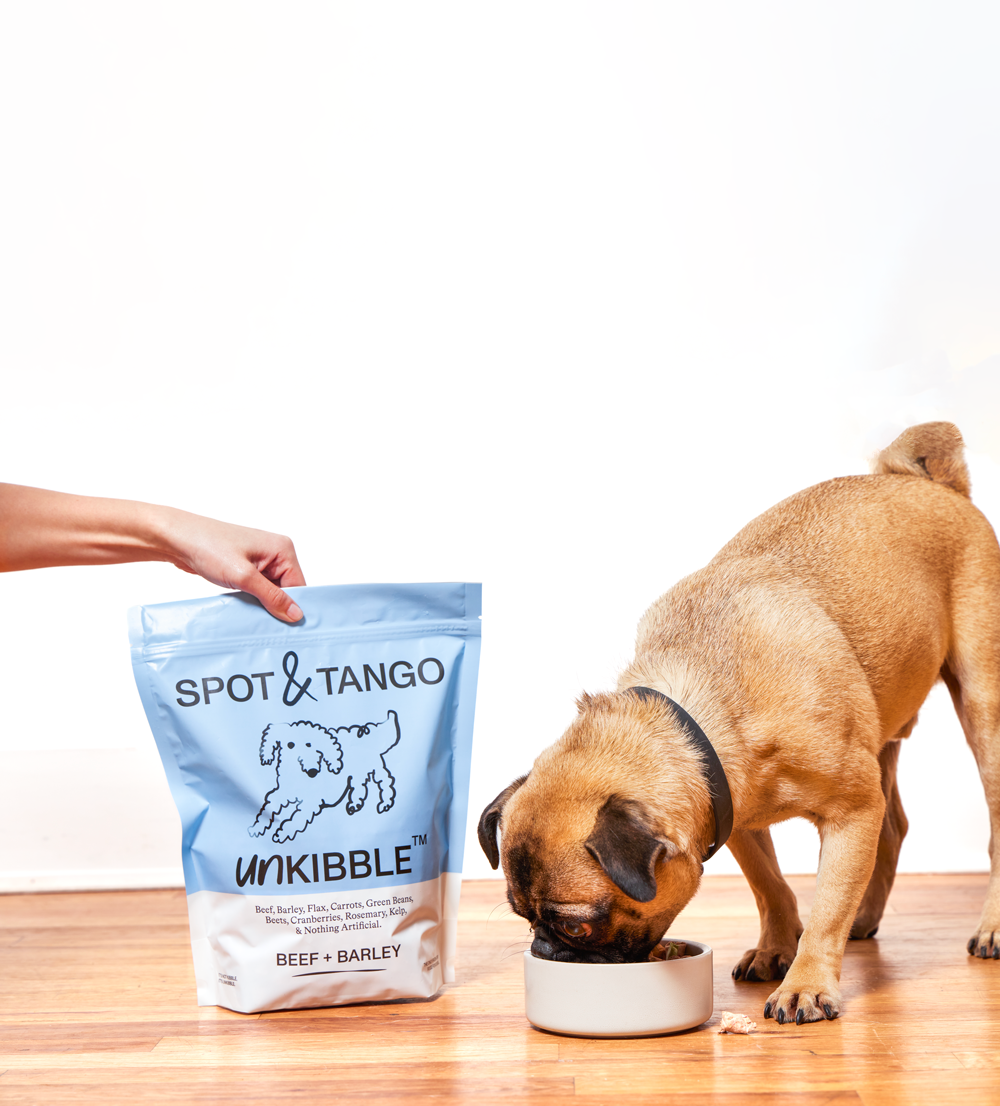
Spot & Tango
9.1Vet-formulated fresh trays and dehydrated UnKibble, portioned to the individual dog.
Dial A Vet
9.0A global team of 250+ vets and vet techs on Zoom in under fifteen minutes, flat fee.
Recommendations are chosen by the Dr Murphies veterinary review board. Some links are affiliate links and we may earn a commission; this never affects our scoring, and brands do not see our copy before publication.
Dr Mariana Oliveira, DVM, DACVN
Veterinary nutritionist