Gastroenterology
Pancreatitis in Dogs: The Fat-Trigger Myth, Corrected
Pancreatitis is inflammation of the pancreas caused by premature activation of digestive enzymes within the gland itself, effectively causing the pancreas to begin digesting its own tissue.
By Dr Noor Haddad, DVM, DACVD
29 July 2026
4 min read

Medically reviewed
Reviewed by Dr Samuel Adeyemi, DVM, DACVIM of the Dr Murphies Veterinary Review Board. Reviewed content is checked against current consensus guidance before publication.
Pancreatitis is inflammation of the pancreas caused by premature activation of digestive enzymes within the gland itself, effectively causing the pancreas to begin digesting its own tissue. While a sudden high-fat meal, such as table scraps at a barbecue, is a well-known trigger, it is only one of several contributing factors, and many cases occur in dogs with no obvious dietary indiscretion at all. Miniature Schnauzers, in particular, carry a genetic predisposition tied to abnormal lipid metabolism.
What Actually Triggers Enzyme Activation
Under normal conditions, digestive enzymes such as trypsinogen remain inactive until they reach the small intestine, where enterokinase converts them to their active form. In pancreatitis, this activation happens prematurely within the pancreatic acinar cells themselves, triggering a cascade of self-digestion, local inflammation and, in severe cases, release of inflammatory mediators into the bloodstream that can cause systemic organ damage.
High dietary fat is one recognised trigger because it stimulates a surge in pancreatic enzyme secretion, but obesity, hypertriglyceridaemia, hypercalcaemia, certain medications such as potassium bromide, and concurrent endocrine disease including diabetes and Cushing's disease are equally well-documented contributing factors.
Beyond the Fatty-Meal Myth
- Sudden vomiting, often repeated over several hours
- A hunched 'praying' posture with the chest lowered and hindquarters raised
- Marked abdominal pain on palpation of the cranial abdomen
- Loss of appetite alongside lethargy
- Diarrhoea, sometimes with visible fat content in chronic cases
Chronic, low-grade pancreatitis can present far more subtly, with intermittent poor appetite and mild vomiting mistaken for a sensitive stomach rather than recurring pancreatic inflammation.
Recognising Acute Versus Chronic Presentations
Diagnosis combines clinical signs with a canine-specific pancreatic lipase test (cPLI or the faster SNAP cPL), which is more sensitive and specific than measuring generic serum amylase or lipase, which can be elevated for many unrelated reasons. Abdominal ultrasound can reveal a swollen, hyperechoic pancreas with surrounding fat inflammation, and also helps rule out concurrent problems such as gallbladder disease or intestinal obstruction.
Bloodwork typically shows evidence of dehydration, electrolyte disturbance and sometimes elevated liver enzymes from local inflammation spreading to the adjacent liver, all of which inform how aggressively fluid therapy needs to be pursued.
Diagnostic Tests That Matter Most
There is no drug that reverses pancreatic inflammation directly, so treatment focuses on resting the pancreas, controlling pain and nausea, and correcting fluid and electrolyte imbalances.
- Intravenous fluid therapy to maintain pancreatic perfusion
- Anti-nausea medication such as maropitant alongside analgesia
- Early, small, low-fat enteral feeding rather than prolonged fasting
- Long-term low-fat diet to reduce recurrence risk
Supportive Treatment and Long-Term Diet
Modern protocols favour early introduction of small amounts of a low-fat, easily digestible diet rather than prolonged fasting, since feeding the gut supports intestinal barrier function and speeds recovery compared with withholding food. Dogs that survive an acute episode, particularly Miniature Schnauzers and other predisposed breeds, often need a permanently low-fat diet and closer monitoring of triglyceride levels to reduce the risk of recurrence.
Chronic, relapsing pancreatitis can eventually damage enough pancreatic tissue to cause exocrine pancreatic insufficiency or diabetes, so dogs with repeated episodes warrant closer long-term endocrine and digestive monitoring.
When to seek help urgently
- Persistent vomiting preventing any fluid retention
- Signs of shock such as pale gums, rapid pulse and collapse
- Abdominal distension with worsening pain
- Yellowing of the gums or skin suggesting concurrent liver involvement
Pancreatitis ranges from a mild, self-limiting upset to a life-threatening systemic illness, so any dog with acute abdominal pain and vomiting should be assessed promptly by a vet rather than managed on suspicion alone.
Vet-recommended
Products our review board rates for this
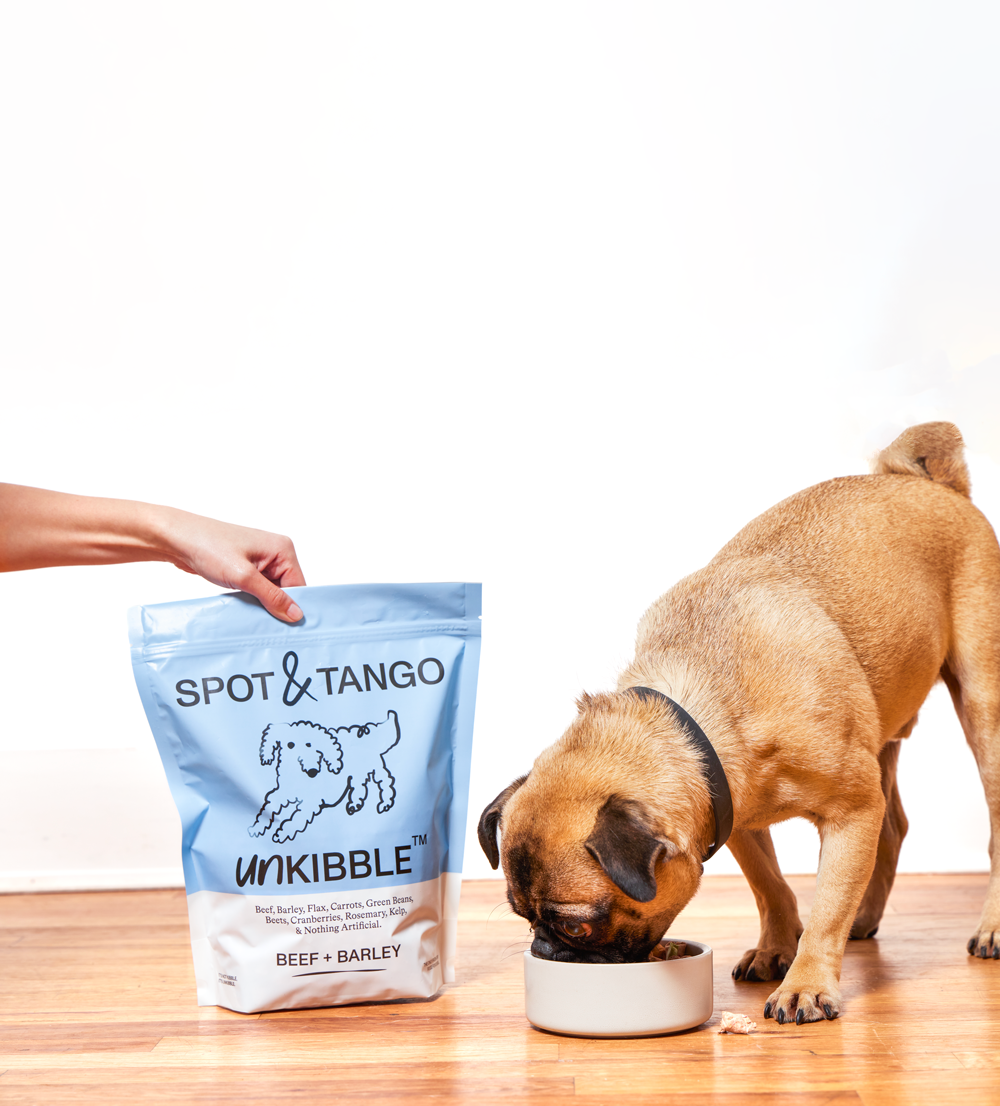
Spot & Tango
9.1Vet-formulated fresh trays and dehydrated UnKibble, portioned to the individual dog.

Lemonade Pet Insurance
9.4The lowest premiums in the category, with claims paid in minutes rather than weeks.
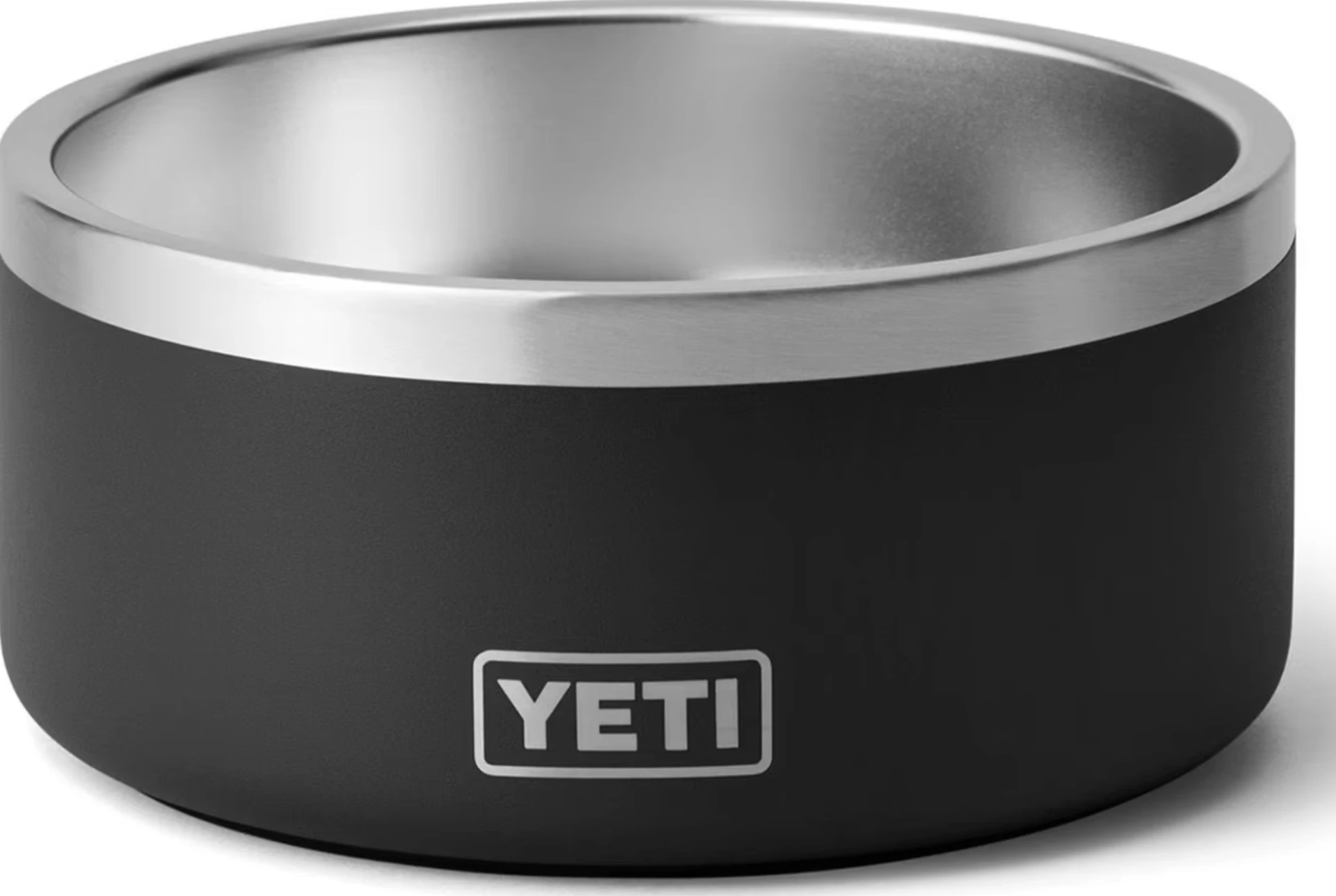
YETI Boomer 4 Dog Bowl
8.518/8 stainless, non-slip ring, dishwasher-safe — the last bowl you buy.
Recommendations are chosen by the Dr Murphies veterinary review board. Some links are affiliate links and we may earn a commission; this never affects our scoring, and brands do not see our copy before publication.
Dr Noor Haddad, DVM, DACVD
Veterinary dermatologist