Dermatology
Ringworm in Cats: Six Weeks of Discipline
Ringworm is not a worm at all but a fungal infection of the skin, hair and claws, most commonly caused by Microsporum canis, and it is genuinely zoonotic, spreading readily to people and other pets.
By Dr Thomas Nakamura, DVM
1 June 2026
4 min read
Medically reviewed
Reviewed by Dr Mariana Oliveira, DVM, DACVN of the Dr Murphies Veterinary Review Board. Reviewed content is checked against current consensus guidance before publication.
Ringworm is not a worm at all but a fungal infection of the skin, hair and claws, most commonly caused by Microsporum canis, and it is genuinely zoonotic, spreading readily to people and other pets. Clearing it fully takes a disciplined, typically six-week combination of systemic medication, topical treatment and rigorous environmental decontamination.
A Fungus That Feeds on Keratin
Dermatophyte fungi infect only the dead, keratinised layers of skin, hair shafts and claws, never living tissue, which is why lesions are typically superficial and non-painful despite looking dramatic. Spores are shed continuously from infected hairs into the environment, where they can remain viable for many months on bedding, carpet and furniture.
Infection establishes more readily in kittens, elderly cats or those with an underlying illness suppressing immune function, since a healthy adult immune system can often clear exposure without ever developing visible lesions. This is why ringworm frequently sweeps through shelters and breeding catteries with young kittens while adult cats in the same space remain unaffected.
Why Kittens and Immunocompromised Cats Are at Highest Risk
- Circular patches of hair loss, often with a scaly or crusted edge
- Broken, brittle hairs around the margins of a lesion
- Mild itchiness, though many cats show surprisingly little discomfort
- Lesions commonly appearing first on the face, ears and forelimbs
- Thickened, crumbly claws in cases involving the nail bed
Because some infected cats, especially longhaired breeds, show no visible lesions at all despite shedding infectious spores, fungal culture rather than appearance alone is needed to confirm a household is genuinely clear before treatment stops.
Confirming Infection With Culture and Wood's Lamp
A Wood's lamp examination can screen quickly for M. canis, which fluoresces apple-green under UV light in around half of infected hairs, but a negative result does not rule out infection given other dermatophyte species and variable fluorescence. Fungal culture of plucked hairs, incubated for up to two to three weeks, remains the diagnostic gold standard.
PCR testing offers a faster result, within a few days, and is increasingly used alongside culture, particularly in shelter settings needing rapid decisions about isolation and treatment for large numbers of cats.
Combining Oral, Topical and Environmental Treatment
Effective treatment addresses the cat, the environment and any other household pets simultaneously, since missing one component allows reinfection.
- Oral itraconazole or terbinafine for a minimum of six weeks or until two consecutive negative cultures
- Twice-weekly lime sulphur dips or miconazole-chlorhexidine shampoo to reduce spore shedding
- Clipping long hair around lesions to reduce spore reservoir and aid topical treatment
- Environmental decontamination with a dilute bleach solution or specific antifungal disinfectant on all washable surfaces
Decontaminating a Household Properly
Isolating the infected cat to a single, easily cleaned room during treatment dramatically reduces environmental spore load and protects other household members; daily vacuuming of the wider home and washing of all bedding on a hot cycle should continue throughout the six weeks.
Treatment should not be stopped based on visual improvement of lesions alone, since spore shedding can continue after the skin looks normal; two negative fungal cultures taken a week or more apart are the only reliable sign the infection has genuinely cleared.
When to seek help urgently
- Widespread, rapidly spreading lesions in a kitten or immunocompromised cat
- New lesions developing on human household members, requiring their own medical care
- Signs of secondary bacterial infection such as pus or swelling at a lesion site
- No improvement in lesions after two weeks of treatment, suggesting resistance or an incorrect diagnosis
Because ringworm is zoonotic and genuinely persistent in the environment, treatment length should be guided by repeat fungal culture results from your vet rather than how the coat looks, even though six weeks can feel like a long commitment.
Vet-recommended
Products our review board rates for this
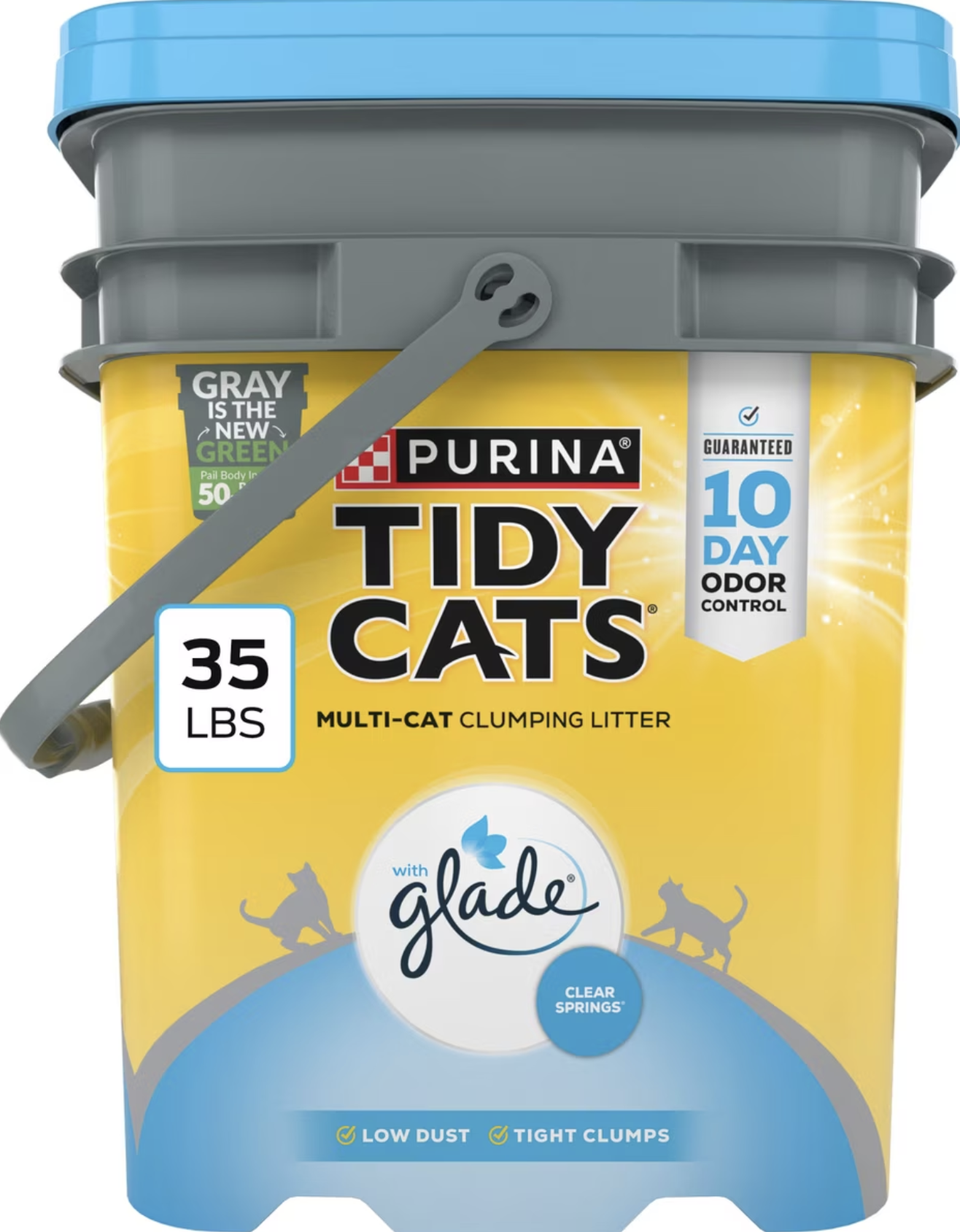
Tidy Cats Glade Clear Springs
7.9Tight clumps, low dust and a ten-day odour guarantee in a 35-lb multi-cat pail.

Lemonade Pet Insurance
9.4The lowest premiums in the category, with claims paid in minutes rather than weeks.

Meow Mix Tender Centers
6.4Crunchy outside, soft centre, chicken and tuna flavoured — the palatability play.
Recommendations are chosen by the Dr Murphies veterinary review board. Some links are affiliate links and we may earn a commission; this never affects our scoring, and brands do not see our copy before publication.
Dr Thomas Nakamura, DVM
Exotic and avian medicine