Training
The Science of Positive Reinforcement
Positive reinforcement training is grounded in operant conditioning principles first described by B.F.
By Dr Thomas Nakamura, DVM
11 February 2026
4 min read
Medically reviewed
Reviewed by Dr Eleanor Murphy, BVSc of the Dr Murphies Veterinary Review Board. Reviewed content is checked against current consensus guidance before publication.
Positive reinforcement training is grounded in operant conditioning principles first described by B.F. Skinner, and decades of applied research now show it produces faster learning, fewer fallout behaviours and better welfare outcomes than aversive methods across dogs, cats and other companion species.
The Four Quadrants of Operant Conditioning
Operant conditioning describes four mechanisms: positive reinforcement adds something desirable to increase a behaviour, negative reinforcement removes something aversive to increase a behaviour, and their punishment counterparts decrease behaviour by adding or removing a consequence; research consistently finds reward-based methods achieve comparable or superior results with markedly lower stress and aggression risk.
A reinforcer must arrive within roughly one to two seconds of the target behaviour to be reliably associated with it, which is why a marker signal such as a clicker or a consistent verbal cue is used to bridge the gap between the behaviour and the arrival of the actual reward.
Why Timing and Criteria Matter More Than Treats
- A dog offering behaviours voluntarily, indicating confident engagement with training
- Quick recovery and continued interest after an unsuccessful training attempt
- Behaviours generalising to new locations and distraction levels over time
- Reduced reliance on food lures as verbal or gestural cues take over
- A relaxed body posture and willingness to work near the handler
If a dog appears reluctant, avoidant or shows stress signals such as lip licking and yawning during training, the issue is almost always poor timing, unclear criteria or excessive difficulty rather than the dog being stubborn.
The Welfare Case Against Aversive Methods
There is no medical diagnosis in standard positive reinforcement training, though a dog showing chronic stress signals during otherwise well-run sessions should be assessed for underlying anxiety, pain or a prior history of aversive handling contaminating the association.
Where progress stalls despite correct technique, a qualified trainer or behaviourist can video-review sessions to identify subtle timing errors, inconsistent criteria or unintentional cueing that owners rarely spot in themselves.
Building a Reinforcement Schedule That Sticks
Effective application depends less on the type of reward used and more on precise timing, clear criteria for what earns reinforcement, and a deliberate schedule that shifts from continuous to intermittent reward as behaviours become reliable.
- Mark the exact moment of correct behaviour with a consistent clicker or word
- Reinforce every correct repetition initially, then shift to a variable schedule
- Break complex behaviours into small shapeable steps rather than demanding the whole
- Use the highest-value reward for the most difficult or distracting environments
Common Misapplications That Slow Progress
Rotate reinforcer types, including food, play and access to sniffing, so training remains motivating across contexts and does not collapse the moment food rewards are unavailable in a real-world situation.
Build a habit of ending sessions on a successful repetition and keeping individual sessions short, typically under five minutes for young or easily frustrated learners, since fatigue produces errors that are easy to misread as defiance.
When to seek help urgently
- Training that consistently produces avoidance, growling or shutdown in the animal
- Regression in a previously reliable behaviour, suggesting pain or a new stressor
- A dog that will not accept any reward type, indicating significant underlying stress
- Aggression emerging specifically around training sessions or particular cues
If training stalls or produces signs of distress despite good technique, consult your own veterinarian or a qualified positive-reinforcement trainer to review the plan.
Vet-recommended
Products our review board rates for this

Lemonade Pet Insurance
9.4The lowest premiums in the category, with claims paid in minutes rather than weeks.
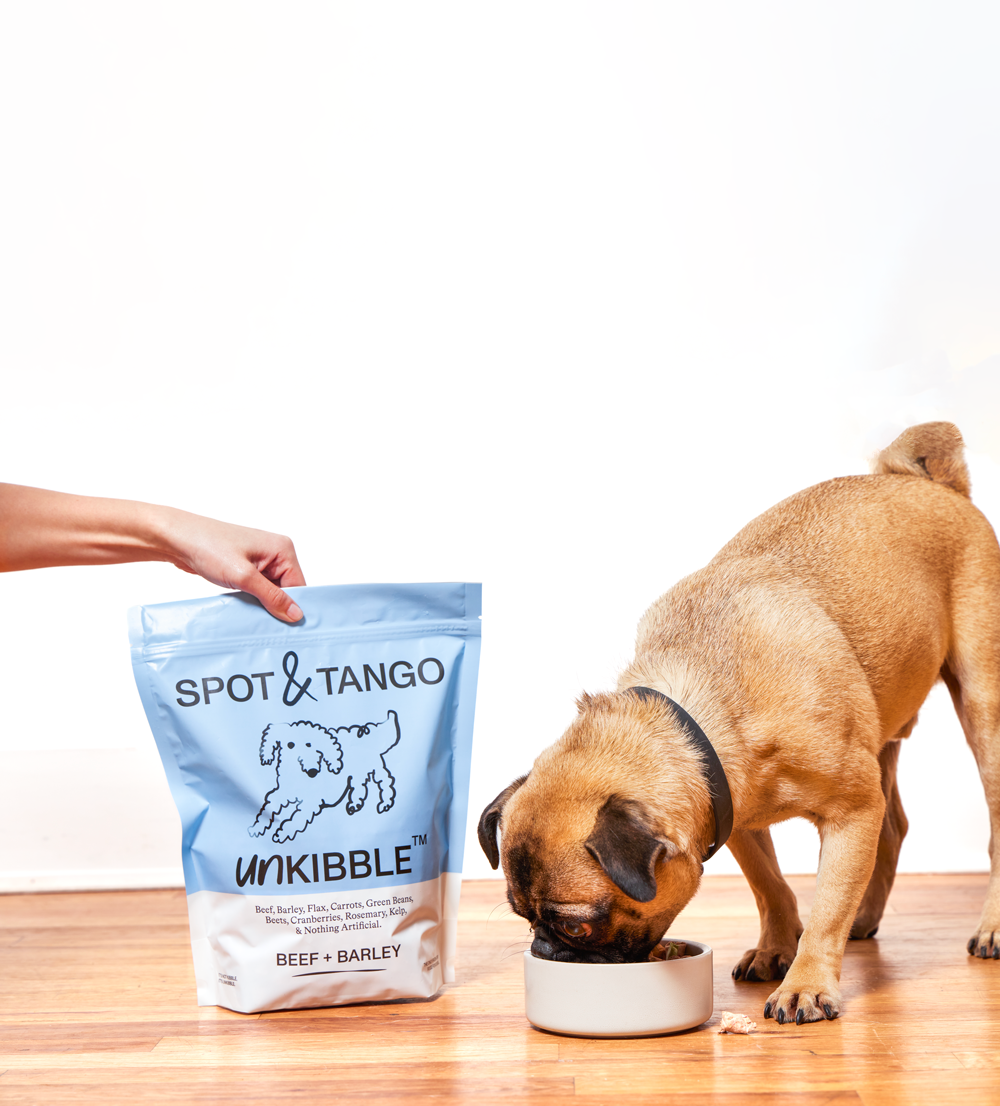
Spot & Tango
9.1Vet-formulated fresh trays and dehydrated UnKibble, portioned to the individual dog.
Dial A Vet
9.0A global team of 250+ vets and vet techs on Zoom in under fifteen minutes, flat fee.
Recommendations are chosen by the Dr Murphies veterinary review board. Some links are affiliate links and we may earn a commission; this never affects our scoring, and brands do not see our copy before publication.
Dr Thomas Nakamura, DVM
Exotic and avian medicine