Dermatology
Understanding Canine Atopic Dermatitis
Canine atopic dermatitis is a chronic, genetically predisposed inflammatory skin condition driven by an exaggerated immune response to environmental allergens such as house dust mites, pollens and moulds.
By Dr Noor Haddad, DVM, DACVD
10 August 2026
4 min read

Medically reviewed
Reviewed by Dr Eleanor Murphy, BVSc of the Dr Murphies Veterinary Review Board. Reviewed content is checked against current consensus guidance before publication.
Canine atopic dermatitis is a chronic, genetically predisposed inflammatory skin condition driven by an exaggerated immune response to environmental allergens such as house dust mites, pollens and moulds. Unlike a simple allergic reaction, it involves a defective skin barrier that allows allergens to penetrate more easily, setting up a self-perpetuating cycle of itch and inflammation. Breeds such as West Highland White Terriers, French Bulldogs and Golden Retrievers show particularly strong hereditary predisposition.
A Barrier Defect, Not Just an Allergy
Healthy skin relies on tightly packed corneocytes and intercellular lipids to keep allergens, irritants and microbes out. In atopic dogs, reduced ceramide levels and filaggrin abnormalities weaken this barrier, allowing environmental allergens to reach dendritic cells in the epidermis and trigger a Th2-skewed immune response.
This produces the release of histamine, cytokines and other inflammatory mediators that cause intense pruritus, and the resulting scratching further damages the barrier, creating a feedback loop that also invites secondary bacterial and yeast infection.
Where and How the Itch Shows Up
- Persistent licking or chewing at the paws
- Recurrent ear infections without an obvious moisture trigger
- Reddened, thickened skin in the armpits and groin
- Face rubbing along carpets or furniture
- Seasonal flare-ups that later become year-round
Because atopic dermatitis often begins subtly around six months to three years of age and worsens gradually, many owners initially attribute the itching to fleas or a passing skin irritation rather than a chronic allergic condition.
Ruling Out Look-Alike Conditions
Diagnosis is one of exclusion, meaning vets must first rule out fleas, sarcoptic mange and food allergy through strict flea control trials and, where indicated, an eight-to-twelve-week elimination diet using a novel or hydrolysed protein source. Intradermal skin testing or serum allergen-specific IgE testing can then identify specific environmental triggers, primarily to guide allergen-specific immunotherapy rather than to make the initial diagnosis.
Skin cytology is also performed at every flare to detect secondary Malassezia or bacterial overgrowth, since these infections significantly worsen itch and must be treated alongside the underlying allergy.
A Layered Approach to Management
Management is layered, combining barrier repair, itch control and, where possible, immune modulation rather than relying on a single medication.
- Oclacitinib or lokivetmab to interrupt the itch-inflammation cycle
- Medicated shampoos and topical ceramide products to restore the skin barrier
- Omega-3 fatty acid supplementation to reduce inflammatory mediator production
- Allergen-specific immunotherapy for dogs with identified environmental triggers
Living With a Lifelong Condition
Because atopic dermatitis cannot be cured, the realistic goal is long-term control with the fewest possible side effects, often achieved by combining a lower dose of anti-itch medication with regular bathing and barrier support rather than relying on one drug at maximum dose. Immunotherapy, delivered as injections or oral drops, takes six to twelve months to show benefit but can reduce or eliminate the need for other medications in around 60 to 70 percent of dogs.
Regular monitoring for secondary infections is essential, since a dog whose itch suddenly worsens despite stable allergy medication often has a new bacterial or yeast infection rather than a treatment failure.
When to seek help urgently
- Open, weeping sores from self-trauma that appear infected
- Sudden, severe swelling of the face or muzzle
- Signs of systemic illness such as lethargy alongside skin flare
- Hair loss with skin thickening spreading rapidly over days
Atopic dermatitis is a manageable but lifelong condition, and getting the combination of therapies right for your individual dog is best done in partnership with your veterinarian or a veterinary dermatologist.
Vet-recommended
Products our review board rates for this
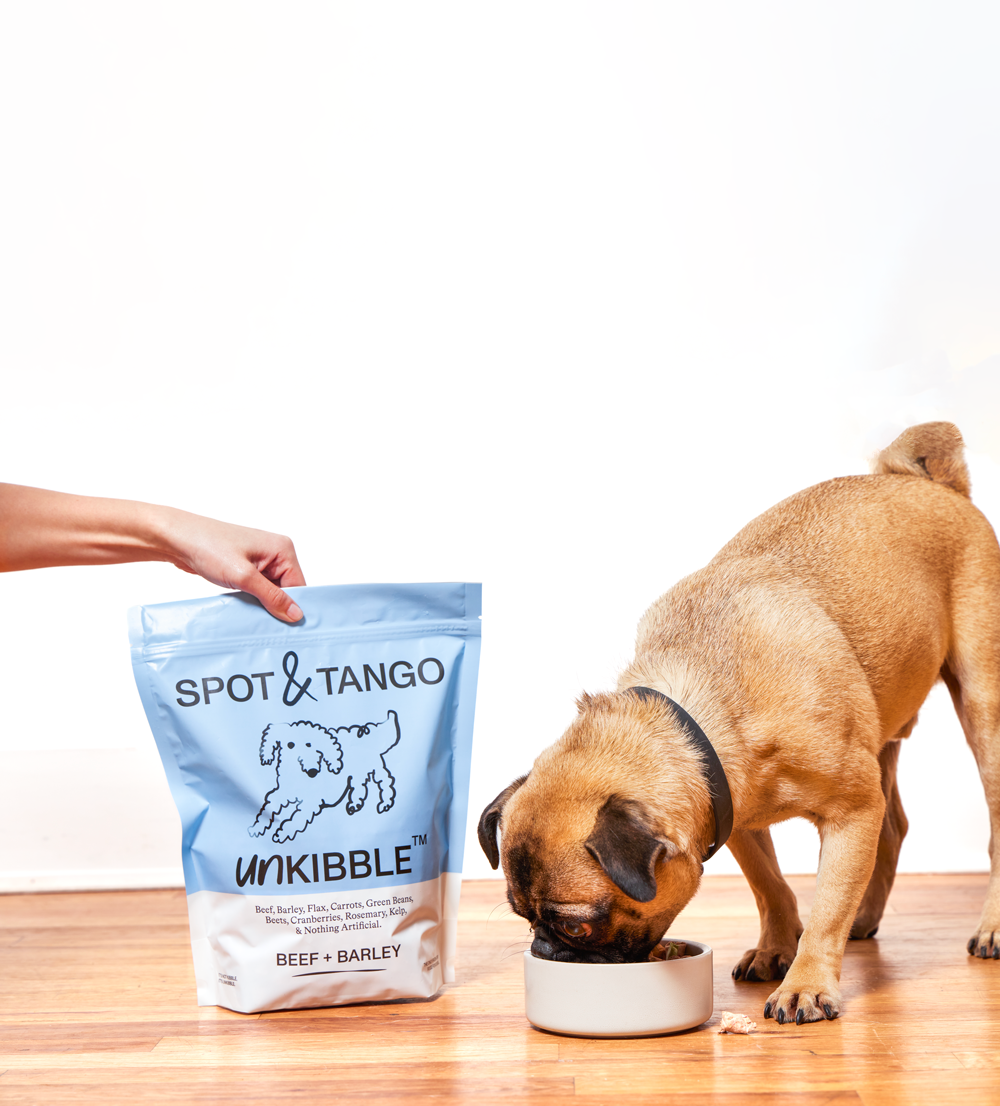
Spot & Tango
9.1Vet-formulated fresh trays and dehydrated UnKibble, portioned to the individual dog.

Lemonade Pet Insurance
9.4The lowest premiums in the category, with claims paid in minutes rather than weeks.

YETI Boomer 4 Dog Bowl
8.518/8 stainless, non-slip ring, dishwasher-safe — the last bowl you buy.
Recommendations are chosen by the Dr Murphies veterinary review board. Some links are affiliate links and we may earn a commission; this never affects our scoring, and brands do not see our copy before publication.
Dr Noor Haddad, DVM, DACVD
Veterinary dermatologist