Pain Management
Why Cats Hide Pain — and the Grimace Scale That Finds It
Cats are evolutionarily wired to conceal pain, a survival strategy inherited from solitary wild ancestors for whom visible weakness invited predation.
By Dr Thomas Nakamura, DVM
18 July 2026
4 min read
Medically reviewed
Reviewed by Dr Noor Haddad, DVM, DACVD of the Dr Murphies Veterinary Review Board. Reviewed content is checked against current consensus guidance before publication.
Cats are evolutionarily wired to conceal pain, a survival strategy inherited from solitary wild ancestors for whom visible weakness invited predation. This makes feline pain one of the most under-recognised problems in companion animal medicine, which is why validated tools like the Feline Grimace Scale now exist to make the invisible visible.
A Survival Instinct Working Against the Cat
Unlike dogs, which often vocalise or seek comfort when hurting, cats reduce activity, withdraw and groom less, changes easily mistaken for a cat simply being independent or aloof. This masking behaviour is deeply ingrained rather than a conscious choice, meaning even severely painful cats can appear outwardly calm.
The Feline Grimace Scale was developed by scoring five facial action units — ear position, orbital tightening, muzzle tension, whisker position and head position — against known painful states. Each unit is scored 0 to 2, and a total score above a validated threshold reliably indicates a cat needs analgesia.
Reading Ears, Whiskers and Muzzle Tension
- Ears rotated outward and flattened rather than their normal upright position
- Squinted, tightened eyes rather than a relaxed open gaze
- A tense, rounded muzzle instead of the normal elongated shape
- Whiskers pulled forward and clumped rather than loosely curved
- A lowered head position held below the shoulder line
These five facial cues take only two to three minutes to score once learned, and free reference charts exist for owners; scoring a cat before and after starting pain relief gives an objective way to judge whether treatment is actually working.
How the Feline Grimace Scale Is Scored
Formal pain assessment in clinic combines the Feline Grimace Scale with a orthopaedic and abdominal palpation exam, since facial scoring alone cannot pinpoint the source. Vets also ask owners about subtle home behaviour changes such as reduced jumping height or altered litter tray posture, which often reveal chronic pain the grimace scale alone misses.
Where chronic pain such as arthritis is suspected, X-rays help correlate joint changes with the behavioural picture, since radiographic severity and observed pain do not always correlate closely in cats.
Distinguishing Pain From Stress
Once pain is recognised and its source identified, treatment is tailored to whether the pain is acute, post-surgical or chronic in nature.
- NSAIDs such as meloxicam for confirmed musculoskeletal or post-surgical pain
- Buprenorphine, a highly effective feline-friendly opioid for acute pain episodes
- Gabapentin for chronic or neuropathic pain, particularly useful pre-visit for anxious cats
- Multimodal environmental changes such as ramps and heated bedding to reduce pain-triggering movement
Building Pain Checks Into Daily Life
Regular, brief grimace scoring at home — ideally at the same time each day when the cat is undisturbed — catches deterioration or improvement far earlier than waiting for obvious lameness or hiding. Photographing the face from directly in front makes retrospective comparison easier.
Because stress and pain produce some overlapping facial signs, it helps to score a cat in its normal resting environment rather than during a stressful vet visit, and to note whether the change resolves once the stressor (such as a car ride) is removed.
When to seek help urgently
- A grimace score persistently in the highest range despite pain relief
- Complete inability to jump, climb stairs or settle comfortably
- Vocalising when touched in a specific area of the body
- Sudden reluctance to be handled at all in a previously affectionate cat
Facial scoring is a powerful screening tool but not a diagnosis in itself, so any consistently high or worsening pain score should prompt a full veterinary work-up rather than home management alone.
Vet-recommended
Products our review board rates for this
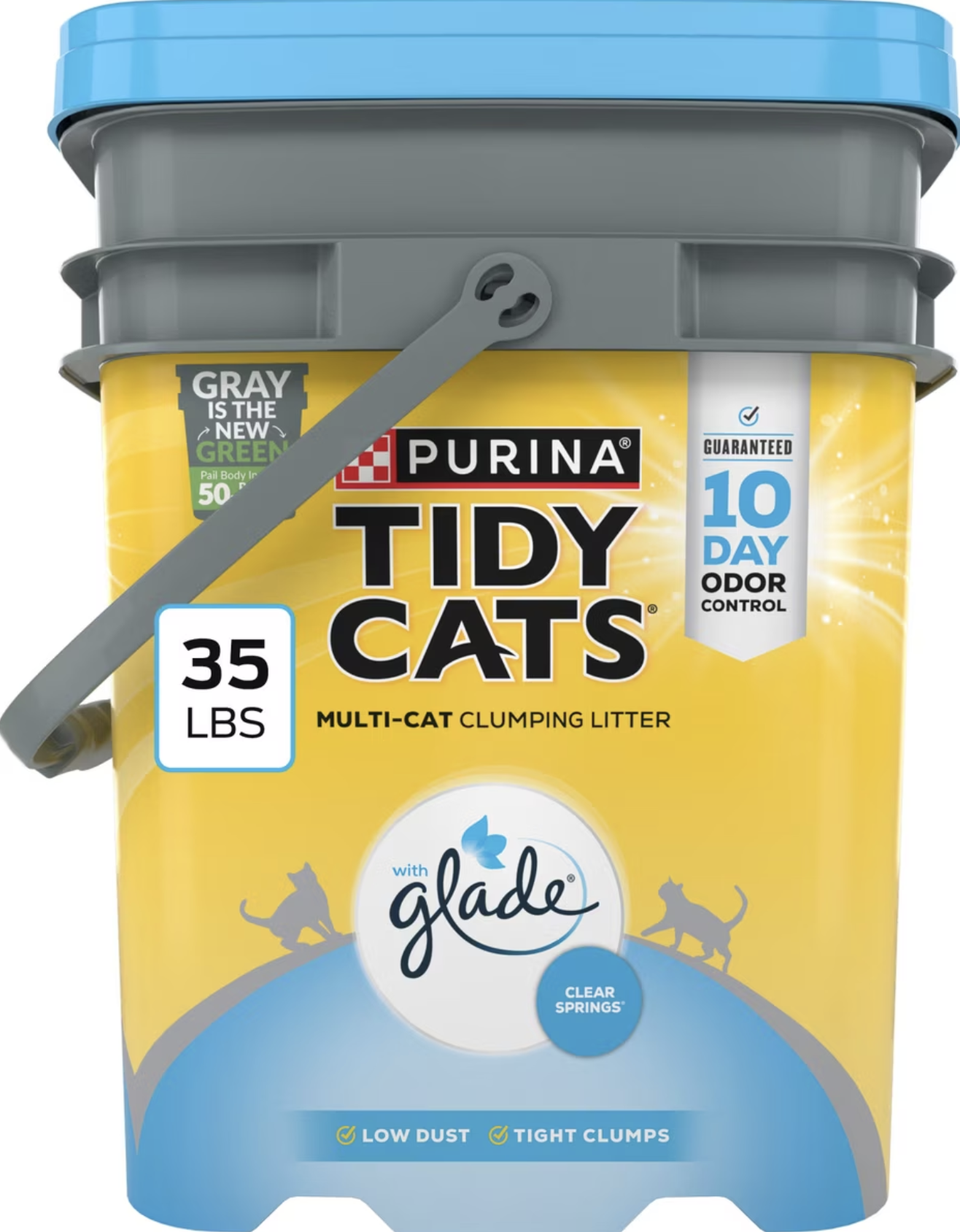
Tidy Cats Glade Clear Springs
7.9Tight clumps, low dust and a ten-day odour guarantee in a 35-lb multi-cat pail.

Lemonade Pet Insurance
9.4The lowest premiums in the category, with claims paid in minutes rather than weeks.
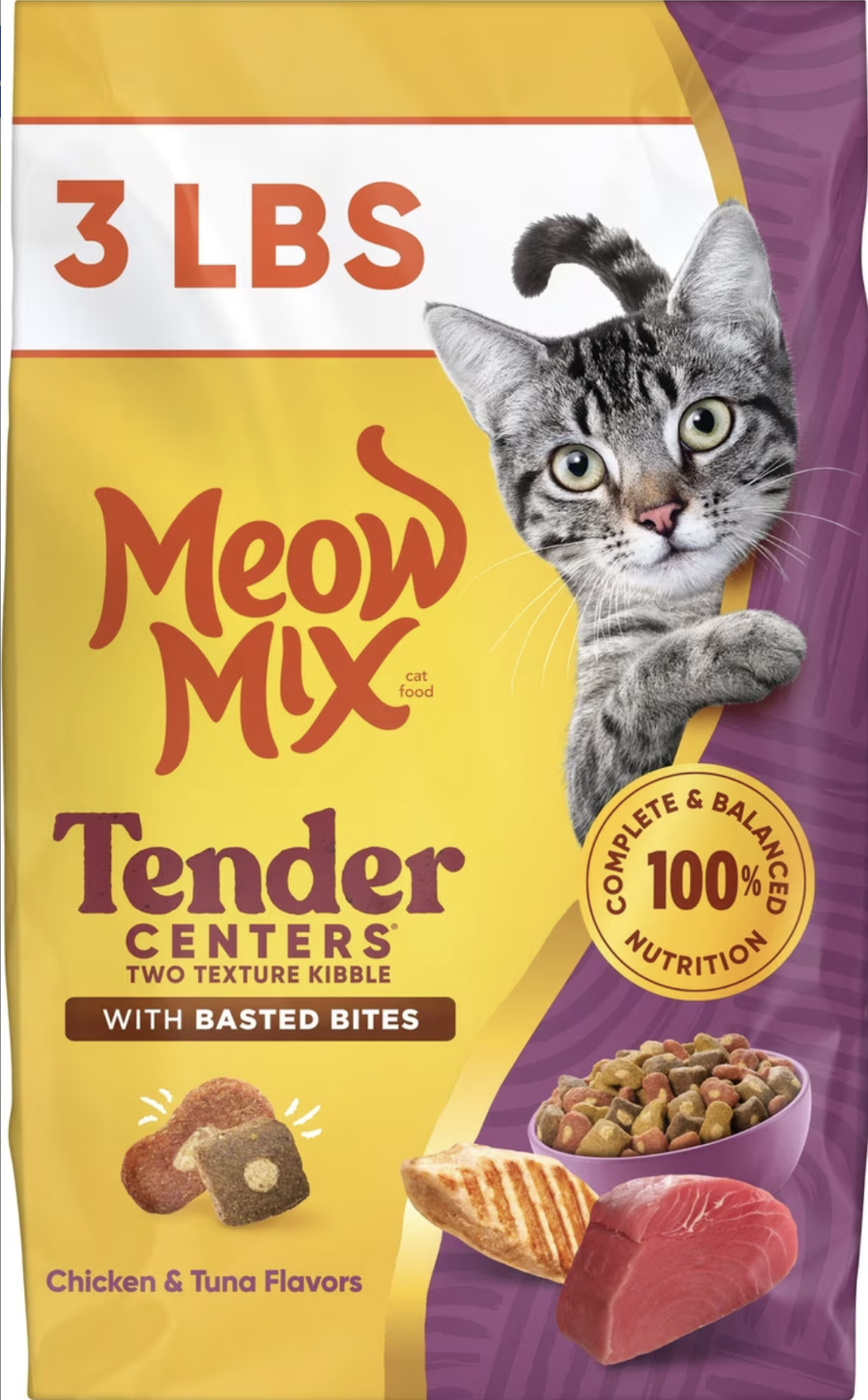
Meow Mix Tender Centers
6.4Crunchy outside, soft centre, chicken and tuna flavoured — the palatability play.
Recommendations are chosen by the Dr Murphies veterinary review board. Some links are affiliate links and we may earn a commission; this never affects our scoring, and brands do not see our copy before publication.
Dr Thomas Nakamura, DVM
Exotic and avian medicine