End of Life
Grief, Ritual and the Pets Left Behind
Grief after losing a pet is frequently underestimated by people outside the household, yet it can be as intense and prolonged as bereavement after losing a person, and it is compounded when a surviving companion animal also shows behavioural changes after the loss.
By Dr Noor Haddad, DVM, DACVD
1 April 2026
4 min read

Medically reviewed
Reviewed by Dr Eleanor Murphy, BVSc of the Dr Murphies Veterinary Review Board. Reviewed content is checked against current consensus guidance before publication.
Grief after losing a pet is frequently underestimated by people outside the household, yet it can be as intense and prolonged as bereavement after losing a person, and it is compounded when a surviving companion animal also shows behavioural changes after the loss. Rituals and structured routines help both grieving owners and surviving pets process the change.
Why Pet Loss Grief Is Often Disenfranchised
Pet loss grief is frequently classified by psychologists as 'disenfranchised grief', meaning it is not always socially recognised or validated to the same degree as human loss, which can leave grieving owners feeling isolated or embarrassed by the intensity of their reaction. This social minimisation does not reduce the physiological and emotional reality of the grief response.
Surviving pets, particularly bonded pairs who have lived together for years, often show behavioural changes after a companion's death, including reduced appetite, increased vocalisation or searching behaviour; while this is sometimes attributed to grief, changes in household routine, scent and social hierarchy likely also play a significant role.
How Surviving Pets Respond to Loss
- Persistent sadness, sleep disruption or appetite change in the owner lasting weeks
- A surviving pet searching the home or waiting at usual spots for the deceased companion
- Reduced appetite or activity in a surviving pet in the days after loss
- Increased clinginess or vocalisation from a surviving pet toward remaining family members
- Reluctance among family members to remove the pet's belongings or change routines
Grief in both owners and surviving pets does not follow a fixed timeline, and comparing one's own experience to how quickly others 'moved on' is rarely helpful; most people and pets show gradual, non-linear improvement over weeks to a few months rather than a sudden resolution.
Recognising Complicated Grief in Owners
There is no clinical diagnosis for normal grief, but a veterinary behaviourist or a pet loss counsellor can help distinguish typical grief from complicated grief in an owner, or from a surviving pet's behaviour changes that may need veterinary attention if appetite loss or lethargy persists beyond one to two weeks.
If a surviving pet's appetite loss, lethargy or behaviour change persists or worsens beyond a short adjustment period, a veterinary check is warranted to rule out an underlying medical cause coincidentally arising alongside the household loss rather than assuming grief as the sole explanation.
Rituals That Support the Grieving Process
Support for grieving owners and surviving pets both benefit from structure, and there is no single correct ritual, only ones that feel meaningful to the specific family.
- Memory rituals such as a paw print keepsake, photo album or planted tree
- Maintaining a modified but present daily routine for surviving pets in the household
- Grief counselling or a pet loss support group for owners experiencing prolonged distress
- Gradual reintroduction of normal social interaction and play for a surviving pet
Supporting a Surviving Companion Animal
Involving children in a simple, age-appropriate ritual such as drawing a picture or writing a letter to the pet helps them process loss rather than being shielded from it entirely, which research on childhood bereavement generally suggests is more protective long term. Rushing to acquire a new pet immediately is not necessary and is best considered only once the household feels ready.
Maintaining feeding times, walk schedules and bedtime routines for surviving pets, even while grieving, provides a stabilising structure during a period when household scent and social patterns have already changed substantially.
When to seek help urgently
- A surviving pet refusing food entirely for more than 48 hours
- Signs of severe lethargy, vomiting or collapse in a surviving pet after loss
- An owner experiencing thoughts of self-harm or overwhelming despair
- A surviving pet showing sudden aggression or extreme behavioural change
Grief after pet loss deserves the same seriousness as any other bereavement, and if a surviving pet's physical or behavioural changes persist, your vet can help determine whether they need medical attention beyond the adjustment period.
Vet-recommended
Products our review board rates for this
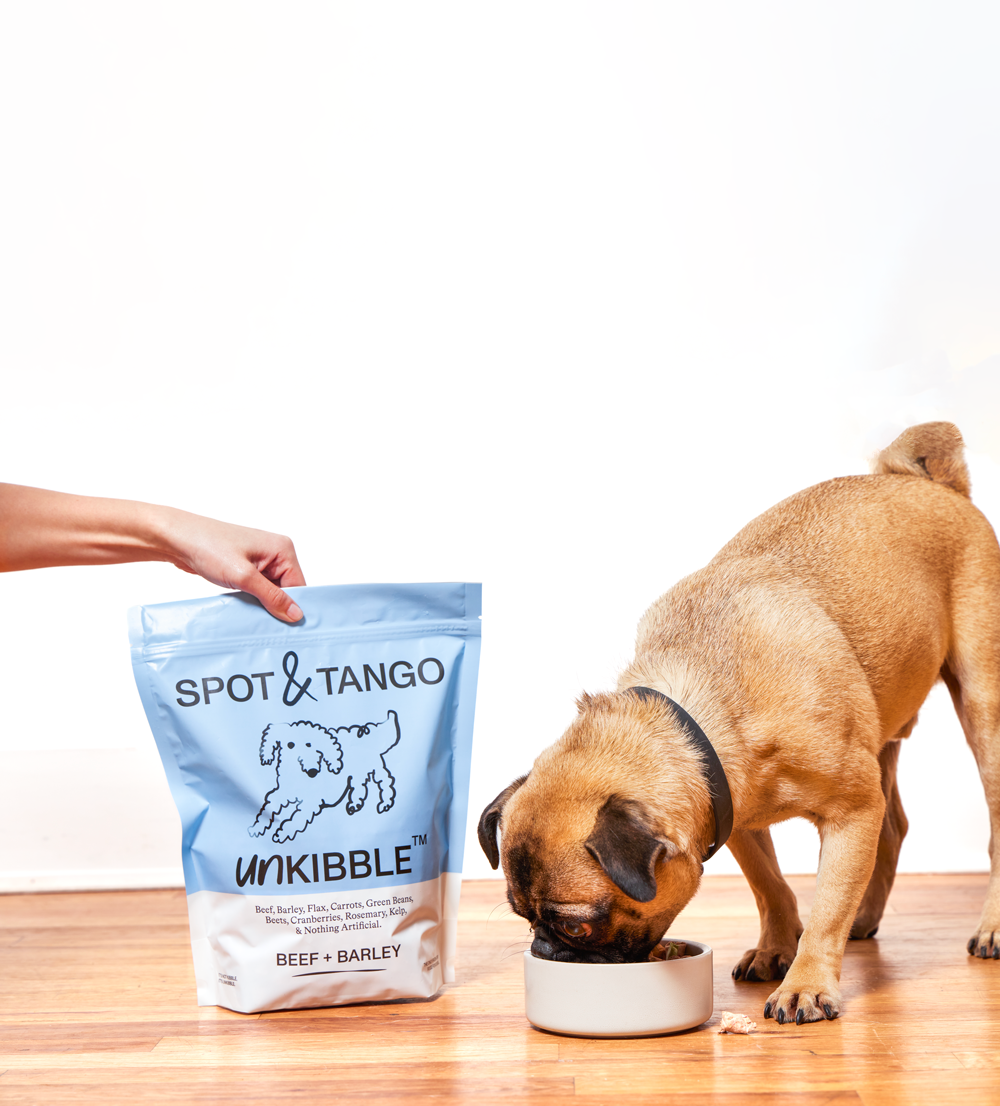
Spot & Tango
9.1Vet-formulated fresh trays and dehydrated UnKibble, portioned to the individual dog.

Lemonade Pet Insurance
9.4The lowest premiums in the category, with claims paid in minutes rather than weeks.
Dial A Vet
9.0A global team of 250+ vets and vet techs on Zoom in under fifteen minutes, flat fee.
Recommendations are chosen by the Dr Murphies veterinary review board. Some links are affiliate links and we may earn a commission; this never affects our scoring, and brands do not see our copy before publication.
Dr Noor Haddad, DVM, DACVD
Veterinary dermatologist