Oncology
Lumps After Ten: Which Ones to Biopsy
The majority of new skin lumps in dogs over ten are benign, most commonly lipomas or sebaceous adenomas, but the only reliable way to distinguish a harmless fatty lump from a mast cell tumour or soft tissue sarcoma is cytology or biopsy, not visual inspection or how the lump feels.
By Dr Mariana Oliveira, DVM, DACVN
25 November 2025
4 min read

Medically reviewed
Reviewed by Dr Eleanor Murphy, BVSc of the Dr Murphies Veterinary Review Board. Reviewed content is checked against current consensus guidance before publication.
The majority of new skin lumps in dogs over ten are benign, most commonly lipomas or sebaceous adenomas, but the only reliable way to distinguish a harmless fatty lump from a mast cell tumour or soft tissue sarcoma is cytology or biopsy, not visual inspection or how the lump feels. Knowing which lumps warrant prompt sampling avoids both unnecessary anxiety and dangerous delay.
Why Appearance Alone Is Unreliable
Mast cell tumours, one of the most common malignant skin tumours in older dogs, can look identical to a benign lipoma or wart on visual inspection and even change size suddenly if handled, due to histamine release from degranulating mast cells. This unpredictable behaviour is exactly why physical appearance cannot be used to rule out malignancy.
Soft tissue sarcomas typically arise from connective tissue and grow as poorly defined masses that can extend finger-like projections into surrounding tissue well beyond what is palpable, which is why complete surgical margins are harder to achieve than the visible lump size would suggest.
Common Benign Lumps in Older Pets
- Any new lump that appears after age ten, regardless of size or firmness
- A lump that changes size, shape or colour over a period of weeks
- Ulceration, bleeding or hair loss over the surface of a mass
- A previously stable lump that suddenly grows or becomes swollen after touching
- Multiple new lumps appearing within a short time frame
The '3cm, 3-month' rule used by some vets, sampling any lump larger than 3cm or present longer than 3 months, is a useful general guide, but any lump in an older pet is reasonable to have sampled at the first visit rather than waiting to see if it meets a size threshold.
Higher-Risk Lump Characteristics
Fine-needle aspiration, where a small needle collects cells for microscopic examination without sedation, is the standard first step for almost any new lump and can often distinguish a lipoma, cyst, or mast cell tumour within the same appointment. Some tumour types, particularly certain sarcomas, are harder to characterise on cytology alone and need incisional or excisional biopsy for a definitive diagnosis.
Once a mast cell tumour is confirmed, additional staging including lymph node aspiration and abdominal ultrasound is often recommended before surgery, since grade and stage substantially affect prognosis and the extent of surgical margins required.
Fine-Needle Aspiration Versus Biopsy
Treatment depends entirely on what the sample reveals, ranging from simple observation to wide surgical excision with additional therapy.
- Surgical removal with wide margins for confirmed mast cell tumours or sarcomas
- Observation with scheduled rechecks for cytology-confirmed benign lipomas
- Adjunctive radiation or chemotherapy for incompletely excised or high-grade tumours
- Antihistamines and H2 blockers pre- and post-operatively to manage mast cell degranulation
Monitoring Lumps Left Untreated
Photographing lumps against a ruler or coin for scale, dated and stored together, gives an objective record of growth over time that is far more reliable than memory, particularly for owners managing several lumps on an older pet simultaneously. This record is useful evidence at recheck appointments.
A confirmed benign lump does not need to be removed unless it interferes with movement, is repeatedly traumatised, or is in a location such as near the eye or in a joint fold where growth would cause problems; ongoing monitoring rather than surgery is entirely appropriate in these cases.
When to seek help urgently
- A lump that suddenly ulcerates, bleeds heavily or becomes acutely swollen
- Rapid growth of a mass over days rather than weeks or months
- A lump accompanied by lethargy, appetite loss or vomiting
- Multiple new lumps appearing simultaneously in a short window
There is no substitute for cytology or biopsy in deciding whether a lump is dangerous, and your vet can advise on sampling any new mass promptly rather than waiting to see how it changes.
Vet-recommended
Products our review board rates for this
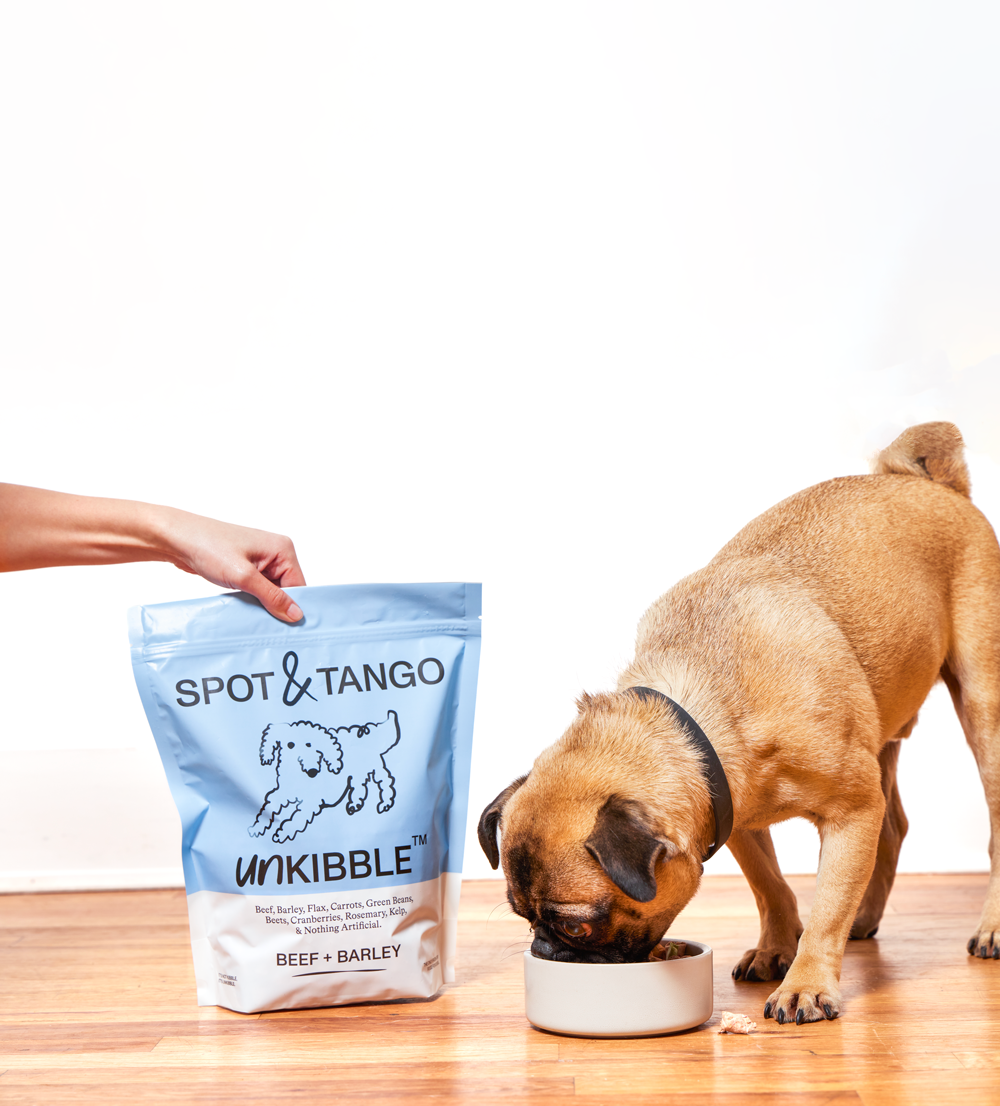
Spot & Tango
9.1Vet-formulated fresh trays and dehydrated UnKibble, portioned to the individual dog.

Lemonade Pet Insurance
9.4The lowest premiums in the category, with claims paid in minutes rather than weeks.

Dial A Vet
9.0A global team of 250+ vets and vet techs on Zoom in under fifteen minutes, flat fee.
Recommendations are chosen by the Dr Murphies veterinary review board. Some links are affiliate links and we may earn a commission; this never affects our scoring, and brands do not see our copy before publication.
Dr Mariana Oliveira, DVM, DACVN
Veterinary nutritionist