Screening
Senior Bloodwork Every Six Months: The Case For
Ageing accelerates the pace at which organ function can change, and diseases such as chronic kidney disease, diabetes and hyperthyroidism are far easier to manage when caught before clinical signs appear.
By Dr Callum Wright, BVSc, MANZCVS
4 April 2026
4 min read

Medically reviewed
Reviewed by Dr Mariana Oliveira, DVM, DACVN of the Dr Murphies Veterinary Review Board. Reviewed content is checked against current consensus guidance before publication.
Ageing accelerates the pace at which organ function can change, and diseases such as chronic kidney disease, diabetes and hyperthyroidism are far easier to manage when caught before clinical signs appear. Twice-yearly bloodwork in pets over seven is increasingly recommended not because annual testing is wrong, but because six months represents a meaningful fraction of a senior pet's remaining healthy years.
Why Six Months, Not Twelve
Chronic kidney disease in cats, for example, can progress from IRIS stage 1 to stage 3 within six to twelve months once decline begins, and early stages produce no obvious clinical signs since cats can compensate for significant nephron loss before symptoms such as weight loss or increased thirst appear. By the time signs are visible, kidney function has often already declined substantially.
Diabetes and hyperthyroidism similarly develop insidiously, with subtle changes in weight, appetite or activity that owners frequently attribute to normal ageing. Detecting these changes on bloodwork before clinical signs appear allows treatment to begin while the pet still feels comparatively well, generally producing a better long-term outcome.
What a Senior Panel Actually Screens For
- Increased thirst or urination that has developed gradually over weeks
- Weight loss despite a normal or increased appetite
- Reduced appetite or occasional vomiting without an obvious trigger
- Increased or decreased activity level that seems out of character
- Coat quality changes such as dullness or increased shedding
Many of these changes are exactly the kind owners reasonably dismiss as 'just getting older', which is precisely why bloodwork rather than symptom-watching is the more reliable detection method; by the time symptoms are obvious, disease has often been present for months.
Reading Trends Rather Than Single Results
A standard senior panel includes a complete blood count, full biochemistry profile covering kidney and liver values, electrolytes, total T4 for thyroid function, and a urinalysis including urine specific gravity, which together assess kidney concentrating ability well before blood values alone would flag disease.
Blood pressure measurement is increasingly included in senior panels because hypertension frequently accompanies kidney disease and can itself damage the eyes, heart and kidneys if undetected. Comparing each new result against the pet's own historical baseline, rather than a population reference range alone, catches meaningful change earlier.
Cost-Benefit of Frequent Screening
The value of six-monthly bloodwork lies less in any single test result and more in the ability to detect a trend crossing a threshold before disease becomes advanced.
- SDMA testing alongside creatinine to detect kidney decline earlier in the disease course
- Repeat total T4 testing to catch early hyperthyroidism in cats over ten
- Fructosamine testing to confirm suspected diabetes without stress-related glucose spikes
- Trend graphing of kidney and liver values across consecutive visits rather than isolated results
What Happens When Results Are Abnormal
Keeping a personal folder or app record of each panel's results allows owners to notice gradual trends themselves and ask informed questions at appointments, particularly useful when panels are run at different clinics or during travel. Fasting the pet for eight to twelve hours before blood draws, where safe to do so, improves accuracy of glucose and lipid results.
For pets already diagnosed with a chronic condition, six-monthly or even more frequent monitoring is standard practice regardless of general screening recommendations, since medication doses often need adjustment as the underlying disease progresses.
When to seek help urgently
- Sudden onset of vomiting, diarrhoea or collapse rather than gradual change
- Marked increase in thirst and urination developing over just a few days
- Yellowing of the gums or eyes suggesting liver dysfunction
- Severe lethargy or collapse that appears alongside abnormal bloodwork
Six-monthly screening is a general guideline that your vet may adjust based on your pet's breed, existing conditions and previous results, so discuss the right interval for your individual pet rather than following a fixed rule.
Vet-recommended
Products our review board rates for this
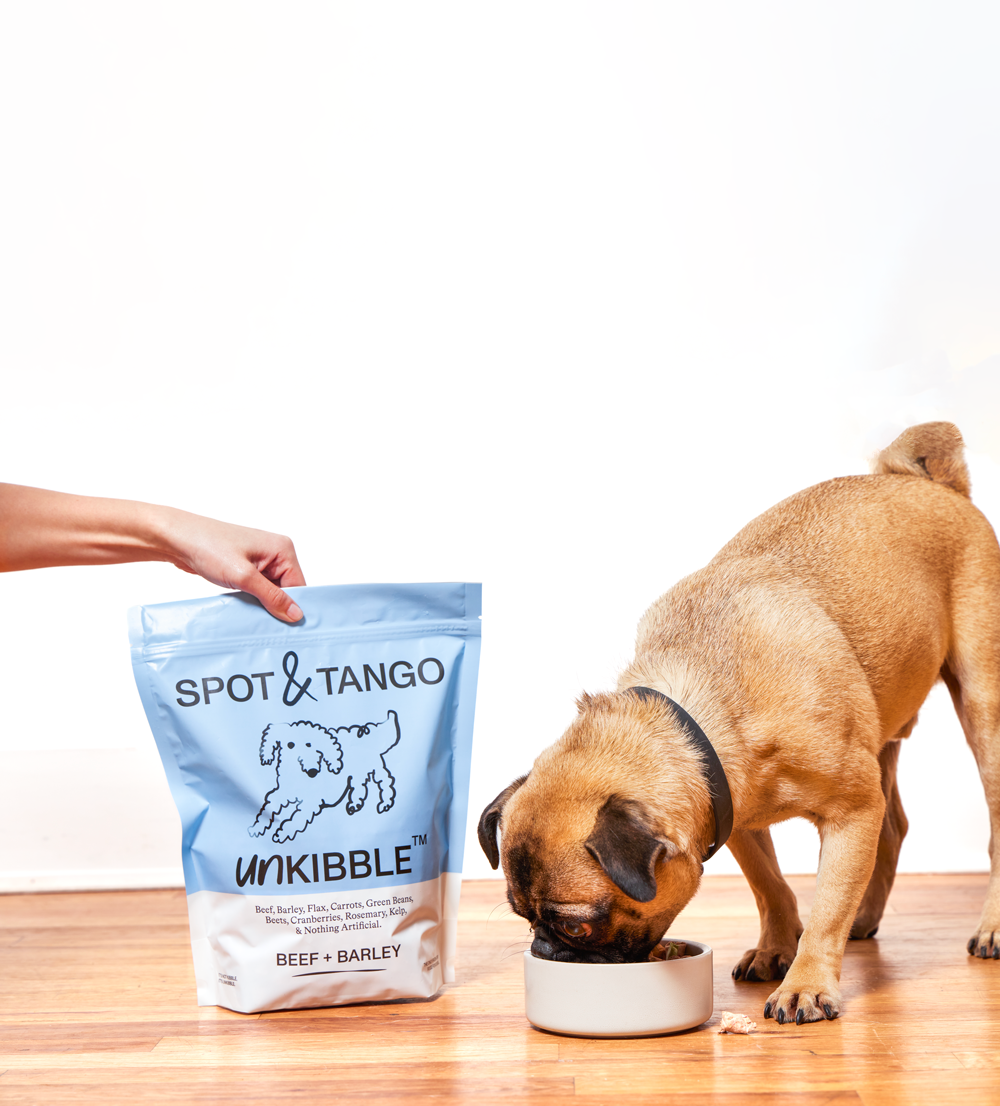
Spot & Tango
9.1Vet-formulated fresh trays and dehydrated UnKibble, portioned to the individual dog.

Lemonade Pet Insurance
9.4The lowest premiums in the category, with claims paid in minutes rather than weeks.

Dial A Vet
9.0A global team of 250+ vets and vet techs on Zoom in under fifteen minutes, flat fee.
Recommendations are chosen by the Dr Murphies veterinary review board. Some links are affiliate links and we may earn a commission; this never affects our scoring, and brands do not see our copy before publication.
Dr Callum Wright, BVSc, MANZCVS
Feline medicine practitioner